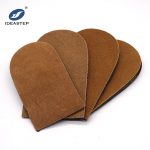
Sourcing diabetes insoles requires careful consideration of product design, material selection, manufacturing consistency, and quality requirements. For footwear brands, orthotic product distributors, importers, and private label businesses, choosing the right diabetes insoles manufacturer is essential to developing a product range that meets defined specifications and supports repeat orders.
Ideastep works with B2B buyers seeking insole manufacturing solutions. This guide covers key considerations for OEM development, wholesale purchasing, material selection, quality control, and supplier evaluation.
What Are Diabetes Insoles?
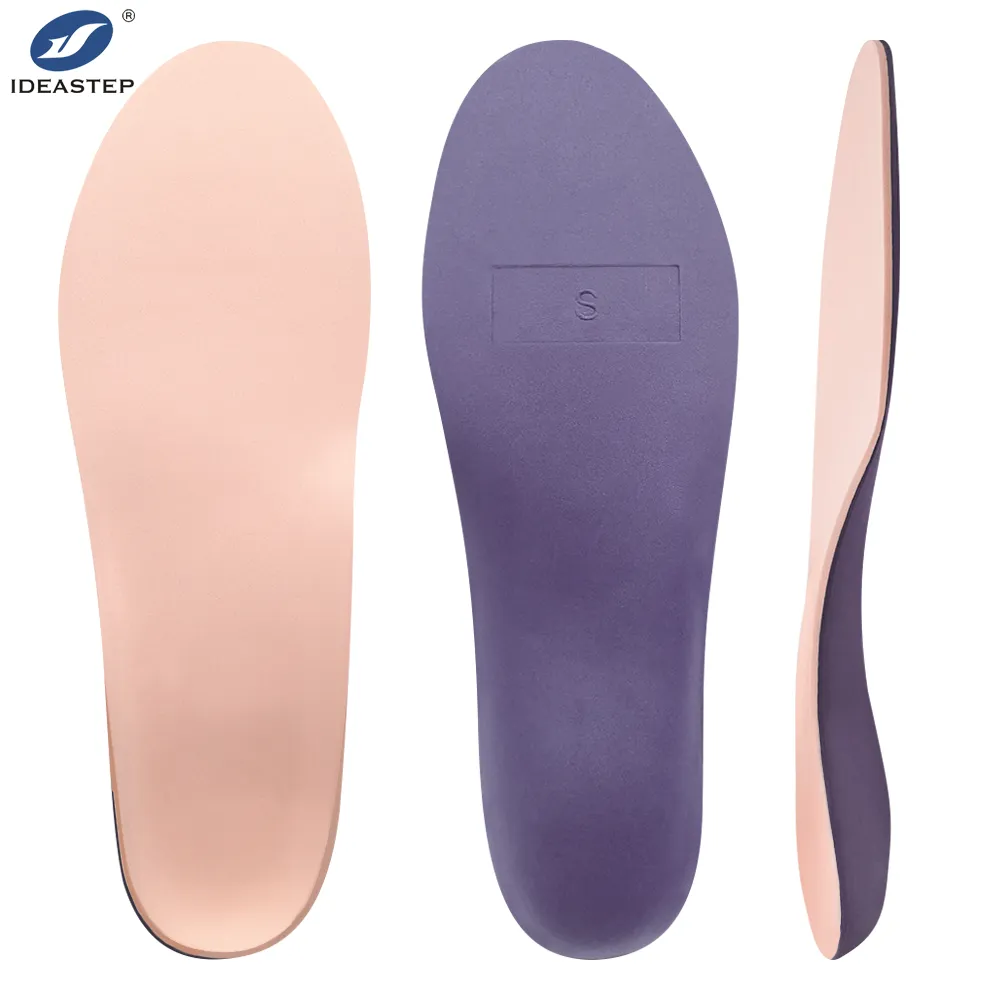
Diabetes insoles are designed for footwear applications associated with diabetic foot care. Depending on the intended use, product specifications may address cushioning, surface contact, fit, and pressure distribution.
For manufacturers and buyers, the first step is to define the product’s intended application and technical requirements. These determine the appropriate materials, construction, dimensions, and quality criteria.
Key Design Considerations
When developing diabetes insoles, buyers should specify:
- Material properties: Hardness, density, compression behavior, and thickness.
- Surface construction: Top-cover material, finish, and compatibility with underlying layers.
- Overall profile: Length, width, contour, and thickness requirements.
- Footwear compatibility: Dimensions and available shoe volume.
- Quality criteria: Acceptable tolerances, bonding requirements, and inspection standards.
Diabetes insoles and standard orthotic insoles may share materials and manufacturing methods, but their design objectives can differ. Product specifications should reflect the intended application rather than relying on generic comfort or support claims.
OEM Diabetes Insoles Manufacturing
OEM manufacturing allows brands to develop products according to defined drawings, reference samples, or technical specifications. A clear product brief helps manufacturers assess feasibility, select suitable materials, and establish production requirements.
Custom Design and Product Development
For an OEM diabetes insoles project, buyers should provide as much of the following information as possible:
- Technical drawings or reference samples.
- Required dimensions, size range, and tolerances.
- Material preferences and layer configuration.
- Surface materials, colors, and finishing requirements.
- Target order quantity and packaging specifications.
The manufacturer can then review the requirements and identify details that need confirmation before sampling. Any changes made during development should be documented and approved before mass production.
Material and Structural Customization
Diabetes insoles may combine cushioning materials, textile covers, and structural layers according to the product specification.
- EVA foam: Available in different formulations and hardness levels for various insole constructions.
- PU foam: Selected according to the required cushioning and compression characteristics.
- Textile covers: Chosen based on surface requirements, appearance, and compatibility with the base material.
- Multilayer construction: Requires control of layer thickness, bonding, and overall dimensions.
Material selection should consider the complete structure rather than individual components alone. Changes in material formulation, thickness, or bonding methods may affect the finished product and should be evaluated before approval.
OEM vs. ODM Manufacturing
OEM projects generally follow the buyer’s existing design or specifications, while ODM projects involve a greater contribution from the manufacturer in product design and development.
The appropriate model depends on the buyer’s design resources, development requirements, and division of responsibilities. Before starting a project, both parties should confirm specifications, sample approval procedures, design ownership, and the process for managing revisions.
Wholesale Diabetes Insoles for Bulk Buyers
Wholesale buyers need to evaluate product specifications, order quantities, pricing, packaging, and replenishment requirements. A clearly defined purchasing plan makes supplier quotations easier to compare and supports inventory planning.
Standard Products vs. Customized Orders
Standard products may suit distributors seeking established designs and defined specifications. Customized orders provide more control over dimensions, materials, construction, and branding but may require additional sampling or production setup.
Before placing an order, buyers should confirm:
- Available models, sizes, and material options.
- Required modifications to standard specifications.
- Minimum order quantity for each model.
- Packaging and labeling requirements.
- Availability of approved specifications for repeat orders.
A product specification matrix can help buyers organize different models, sizes, and configurations while reducing unnecessary SKU complexity.
MOQ, Pricing, and Bulk Order Planning
The minimum order quantity (MOQ) and unit price depend on factors such as material requirements, design complexity, production setup, customization, packaging, and order volume.
When comparing quotations, buyers should verify that each supplier is pricing the same specifications and scope of work. Development or tooling costs, where applicable, should be distinguished from recurring production costs.
Buyers should also confirm the quotation’s included services, payment terms, delivery conditions, and applicable lead times directly with the manufacturer.
Maintaining Consistency Across Repeat Orders
Repeat orders require controlled specifications and clear records. Buyers and manufacturers should maintain approved drawings, reference samples, material details, dimensional tolerances, and packaging information.
If a material or production method needs to change, the supplier should communicate the proposed revision and obtain the required approval. This process helps maintain consistency between approved samples and subsequent production batches.
Quality Control in Diabetes Insoles Manufacturing
Quality requirements should be defined before production rather than left to general descriptions such as “premium quality.” Clear acceptance criteria help buyers and manufacturers evaluate finished products against the same standards.
Key Quality Checks
Depending on the product specification, quality checks may include:
- Dimensional accuracy: Length, width, thickness, and contour.
- Material consistency: Hardness, density, or compression characteristics where relevant.
- Bonding quality: Layer adhesion and visible construction defects.
- Surface finish: Trimming, color, and material appearance.
- Packaging accuracy: Model identification, size labels, and quantities.
Inspection methods and acceptance limits should reflect the construction and intended application of the product.
Product Specifications and Documentation
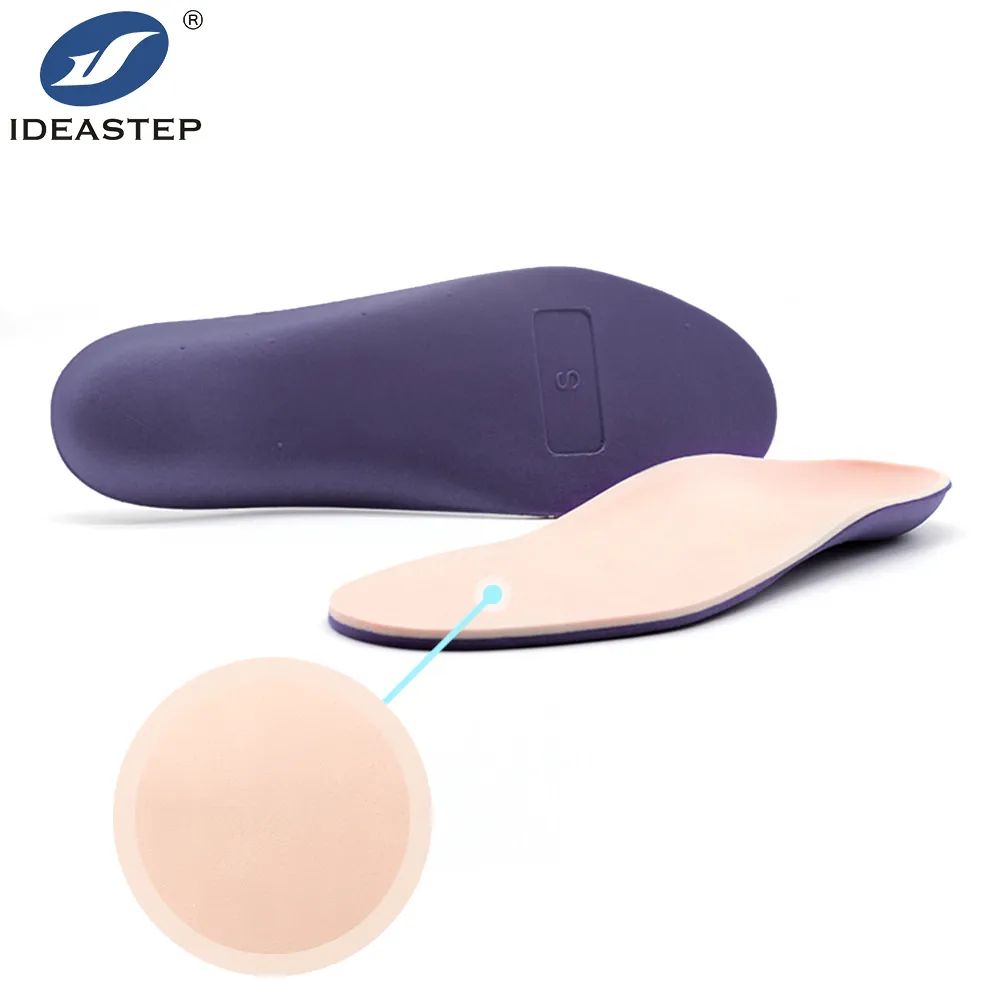
A technical specification sheet should define the product requirements clearly enough for production and inspection teams to follow.
| Specification | Details to Confirm |
|---|---|
| Product design | Model, profile, drawings, and intended application |
| Dimensions | Size range, thickness, and tolerances |
| Materials | Material type, layer structure, and relevant properties |
| Appearance | Color, surface finish, and branding |
| Quality requirements | Inspection points and acceptance criteria |
| Packaging | Labels, barcodes, and packaging configuration |
| Order details | Quantity, MOQ, and approved product revision |
For products marketed for specialized medical or therapeutic use, buyers should also verify applicable regulatory, labeling, and testing requirements in the target market.
Private Label Diabetes Insoles
Private label manufacturing allows businesses to market products under their own brands. Depending on the manufacturer’s capabilities, projects may include logo application, custom packaging, product labels, and SKU identification.
Logo and Packaging Customization
Before production, buyers should confirm logo artwork, placement, dimensions, color requirements, packaging specifications, and approval procedures.
Packaging and product labels should match the agreed specifications and applicable market requirements. Any therapeutic or medical claims must be supported by appropriate evidence and comply with relevant regulations.
Managing a Consistent Product Range
Brands offering multiple models or sizes should maintain separate specifications and clear product identification for each variation.
Version control is particularly important when changing materials, dimensions, or packaging. Documenting approved revisions helps purchasing teams manage repeat orders and reduces the risk of unintended product differences.
How to Choose a Diabetes Insoles Manufacturer
A suitable manufacturing partner should be able to evaluate the project’s specifications, explain relevant production requirements, and communicate clearly throughout development and ordering.
Manufacturing and Development Capabilities
Confirm whether the manufacturer can work from drawings, samples, or written specifications. Discuss material options, construction requirements, sample development, and the transition from approved samples to production.
For customized projects, clarify which services the supplier provides and which requirements need separate arrangements.
Quality Management and Communication
Evaluate how the supplier records product specifications, checks finished goods, handles design changes, and manages repeat orders.
Buyers should also request relevant documentation for any claimed certifications, test results, or quality systems. Confirm that the documents apply to the appropriate product, facility, or process.
Questions to Ask Before Ordering
Before confirming a wholesale or OEM order, buyers should establish:
- Can the manufacturer work from existing drawings or samples?
- What information is required before sampling?
- What MOQ and quotation terms apply?
- How are sample approval and production approval handled?
- Which quality checks and acceptance criteria apply?
- How are material substitutions and specification changes managed?
- What private label and packaging options are available?
- Which compliance documents are available for the target market?
Clear answers help buyers assess supplier suitability beyond unit price alone.
Frequently Asked Questions About Diabetes Insoles Manufacturing
Can Diabetes Insoles Be Produced Under a Private Label?
Private label options may include logos, product labels, and customized packaging. Available services, MOQ, and production requirements depend on the project and should be confirmed with the manufacturer.
Can a Manufacturer Develop Diabetes Insoles from a Sample?
A manufacturer may evaluate a reference sample to determine whether the requested construction can be reproduced. Drawings and information about materials, dimensions, and intended application can help clarify the requirements.
What Affects the MOQ for OEM Diabetes Insoles?
MOQ may depend on materials, production setup, design complexity, customization, and packaging requirements. Buyers should request a quotation based on the specific product and order quantity.
Which Materials Are Used in Diabetes Insoles?
Depending on the design, manufacturers may use EVA foam, PU foam, textile covers, and multilayer material combinations. The final selection should follow the agreed product specifications and intended application.
What Information Is Needed for a Wholesale Quotation?
Buyers should provide the product model, drawings or reference samples, size range, material requirements, estimated order quantity, branding details, packaging requirements, and target market.
Discuss Your Diabetes Insoles OEM or Wholesale Project with Ideastep
Ideastep welcomes inquiries from brands, distributors, importers, and wholesale buyers sourcing diabetes insoles for OEM or private label projects.
To help evaluate your requirements, please provide:
- Product drawings, reference samples, or existing specifications.
- Required materials, dimensions, and size range.
- Estimated order quantity.
- Logo and packaging requirements.
- Target market and applicable compliance requirements.
Contact Ideastep to discuss your diabetes insoles project, including product specifications, customization options, MOQ, and quotation requirements.
Related insoles selling links: https://www.aideastep.com/product/wholesale-cushioned-arch-support-diabetic-foot-care-comfortable-medical-diabetic-insole/.