Off‑the‑shelf arch‑support insoles seldom match proprietary footwear lasts, distributor product roadmaps or clinical supply requirements. Working directly with footwear manufacturers, wholesale operators and foot‑care facilities, we repeatedly observe limitations from generic stock: fit conflicts, compressed margins and lack of product differentiation. Bulk custom shoe inserts with arch‑support address these gaps, delivering parameter‑optimised units for OEM integration, private‑label rollouts and clinical consumable sourcing.
Core B2B Sourcing Pain Points
Buyers face consistent operational constraints when relying entirely on ready‑made inventory.
- Footwear brands: Fixed‑geometry stock insoles conflict with in‑house shoe lasts. Poor arch calibration creates fit complaints, while branded options often carry high new‑tooling costs.
- Wholesale distributors: Commodity‑grade stock drives price competition. Static SKUs fail to cover diverse arch‑height requirements, and many teams lack clarity on MOQs and costs for mould modification versus fully new tooling.
- Clinical suppliers: Operators need multiple arch‑support stiffness grades, with flexibility for small trial batches and recurring large‑volume restocks. Private‑label consumables help differentiate their product offering.
- Supply‑chain risks: Many suppliers only offer preset stock with limited arch‑parameter adjustability. Sample‑to‑production inconsistency and incomplete export compliance create avoidable project failures.
Adjustable Technical Parameters For Bulk Custom Arch‑Support Inserts
Clearly defined specifications simplify supplier alignment in early‑stage project scoping.
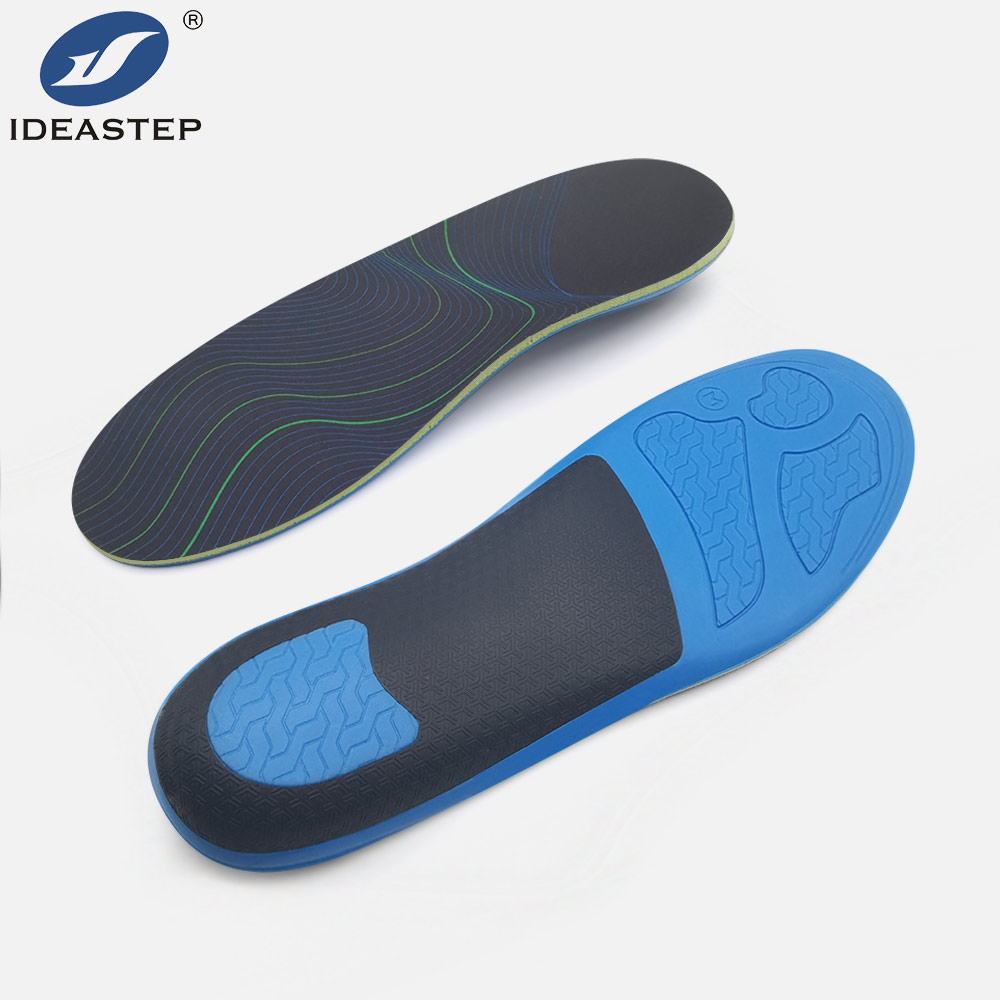
- Arch module: Arch height, support firmness and load‑bearing zones tuned for target application.
- Substrate setup: Multi‑density EVA or composite foam, separating structural support layers from top‑cover fabrics.
- Physical profile: Overall thickness, outer geometry, full‑length or 3‑quarter footprint to match shoe‑cavity constraints.
- Branding outputs: Logo embossing, fabric colourways, hang tags and complete custom packaging.
- Manufacturing options: Compression‑moulded one‑piece build, multi‑layer lamination or semi‑finished trim‑to‑fit blanks.
Four Bulk Customisation Models For Varied Business Goals
OEM footwear integration
Inserts engineered against shoe‑last data for direct factory fitting. Projects focus on cavity‑thickness matching and arch‑profile alignment to minimise costly last revisions.
ODM co‑development for distributors
Joint specification development to build exclusive private‑label SKUs. Arch tuning, material selection and custom packaging help distributors escape commodity‑driven price pressure.
Light customisation on validated existing moulds
Reuse field‑proven arch‑support tooling, with adjustments limited to top fabrics, logo embossing and packaging. Eliminates high new‑mould expenditure and enables faster launches at lower MOQ.
Bulk semi‑finished blanks for clinical partners
Trim‑to‑fit substrates for on‑site in‑clinic arch profiling. Works for small‑batch validation and scalable repeat orders without heavy tooling investment.
Off‑the‑Shelf vs Bulk‑Custom Arch‑Support Inserts B2B Comparison
- Product flexibility: Stock insoles have fixed arch parameters; bulk custom runs allow tunable arch height, firmness and thickness.
- Cost & MOQ: Stock carries low minimums yet limited margin. Custom projects include sampling and tooling costs for modified or new moulds, enabling higher‑tier positioning.
- Lead‑time management: Stock ships rapidly. Custom workflows require multi‑round sample sign‑off and clear downstream expectation setting.
- Inventory exposure: Stock ranges tie capital across many SKUs. Custom bulk orders follow production‑on‑demand logic and reduce dead‑stock risk.
- Target use‑cases: Stock suits high‑volume commodity distribution. Bulk custom serves footwear OEM integration, private‑label lines and institution‑level clinical consumables.
High‑performance operators maintain mixed catalogs, balancing volume‑driven stock business with higher‑value custom projects.
Supplier Evaluation Checklist For Bulk Custom Arch‑Support Inserts
Complete these reviews prior to mass‑production approval.
- Mould library: Confirm multiple arch‑height and firmness profiles; avoid suppliers relying on one‑size universal arch tooling.
- Material durability: Validate compression‑resistance especially in high‑stress arch zones, alongside multi‑density lamination capability.
- Customisation scope: Confirm feasible adjustments for thickness, fabric swap‑outs, logo embossing and full custom‑packaging delivery.
- Commercial terms: Clarify MOQ gaps between modified‑mould and new‑tooling projects; formalise sampling charges and tooling‑fee rebate rules.
- Batch consistency: Enforce formal sample‑approval cycles. Verify repeatable mass‑production output for arch geometry and firmness alongside realistic lead‑time commitments.
- Export compliance: Secure third‑party test‑reports meeting REACH and restricted‑substance standards for EU and North‑American markets to prevent customs detention.
Common Bulk‑Custom Project Risks And Mitigation
- Mass‑production using only one arch‑profile mould delivers inconsistent performance across varied foot anatomies and triggers field complaints.
- Skipping formal sample sign‑off before mass‑production risks full‑batch non‑conformance on arch height or firmness.
- Regulatory liability occurs when consumer‑grade custom inserts are marketed as medical‑grade orthotic devices.
- Misstated custom‑project lead‑times create avoidable commercial disputes with downstream clients.
- Unjustified new‑mould investment without proven market demand locks capital into underutilised tooling.
Implementation Guidance By B2B Stakeholder
- Mid‑size distributors: Start with light modified‑mould private‑label runs or trim‑to‑fit blanks to limit upfront spend. Validate market feedback before commissioning new tooling; run stock and custom lines in parallel.
- Footwear brands & large wholesalers: Embed insole specification requirements during early‑stage last‑development cycles to prevent late‑stage fit conflicts.
- Clinic‑focused buyers: Prioritise bulk trim‑to‑fit substrates paired with low‑MOQ private‑label modifications to build stable repeat‑order pipelines.
Initiate Your Bulk Custom Insole Project
Whether you are executing private‑label rollouts, footwear OEM integration or clinical‑consumable expansion, we can outline viable technical and commercial paths. Share your target application, arch‑support priorities and expected order volume, and we will deliver targeted recommendations for your business.
Related Post: OEM Custom Shoe Inserts: A Complete Guide for Wholesale Buyers.