In the European footwear industry, competition has intensified significantly over the past decade. Mid-range comfort shoe brands in particular are facing pressure from both low-cost imports and premium performance footwear companies. At the same time, consumer expectations have shifted from basic comfort to long-term foot health, posture support, and all-day wearability.
Against this background, one European footwear brand successfully scaled its business by integrating Private Label Orthotics into its product strategy. Rather than redesigning its entire footwear range, the company upgraded internal foot support systems using OEM orthotic insoles supplied by a specialized manufacturer.
The result was not just a product improvement, but a gradual repositioning of the brand from a generic comfort footwear supplier to a functional foot health-focused company competing in higher-value segments across Europe.
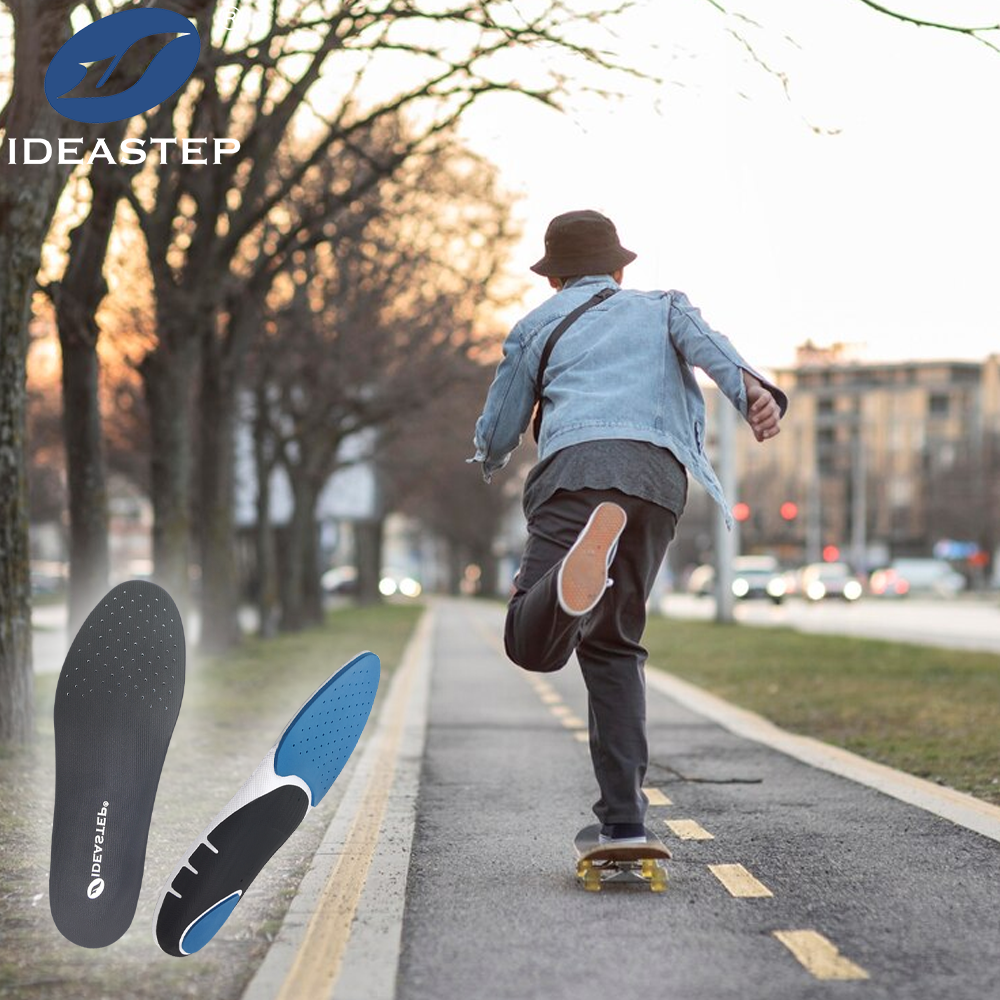
The European Footwear Market Shift: From Comfort to Function
In markets such as Germany, the Netherlands, and the Nordic countries, footwear purchasing decisions are increasingly influenced by ergonomics and foot health considerations. Consumers are no longer satisfied with soft cushioning alone. They expect structural support that can help reduce fatigue during long hours of walking or standing.
This shift has made traditional comfort-focused footwear less differentiated. EVA cushioning and basic foam insoles, once considered competitive advantages, are now widely commoditized across most brands.
As a result, many footwear companies are looking for functional upgrades that can improve performance perception without requiring a complete redesign of their product lines. Private label orthotics have emerged as one of the most practical solutions.
What Are Private Label Orthotics in Footwear Development?
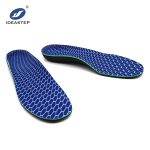
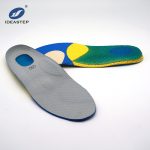
Private label orthotics are pre-engineered or semi-custom orthotic insole systems manufactured by an OEM supplier and branded under a footwear company’s name. Instead of developing biomechanical systems internally, brands integrate ready-made orthotic structures into their existing footwear platforms.
In most cases, the supplier provides a validated orthotic foundation, while the brand focuses on external shoe design, positioning, and marketing.
Typical private label orthotic solutions include:
- Pre-designed arch support structures for different foot types
- Multi-density cushioning systems for impact control
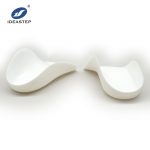
- Heel stabilization components for alignment support
- Material customization (EVA, PU, TPU combinations)
- Brand-level customization such as logos and packaging
This model allows footwear brands to introduce functional upgrades quickly, without the cost and time associated with full biomechanical R&D.
Why the Brand Decided to Integrate Orthotic Technology
The European brand in this case originally operated as a mid-range comfort footwear supplier. While sales were stable, growth had plateaued due to increasing product similarity across competitors.
Retail feedback and distributor insights highlighted a consistent issue: customers were looking for more than softness. They wanted footwear that could actively support their feet during long working hours, commuting, and travel.
1. Comfort Alone Was No Longer a Differentiator
Standard cushioning systems were no longer perceived as innovation. In many product categories, EVA midsoles and soft foam insoles had become industry baseline features rather than value-added benefits.
This made it increasingly difficult for the brand to justify premium pricing in competitive retail environments.
2. Rising Awareness of Foot Health in Europe
Across Europe, particularly in Germany and the Nordic region, consumers have become more educated about foot biomechanics. Terms such as arch support, plantar pressure, and gait alignment are now commonly understood even among non-professional buyers.
This created a natural opportunity for footwear brands to move from passive comfort to active support positioning.
3. Need for Higher Margin Product Strategy
From a commercial perspective, the brand needed a way to improve average selling price without significantly increasing manufacturing complexity. Integrating orthotic insoles provided a cost-efficient path to value upgrading.
How Private Label Orthotics Changed the Product Architecture
Rather than redesigning footwear from the ground up, the brand implemented orthotic systems inside existing shoe models. This allowed for a faster transition and reduced production risk.
The external shoe design remained largely unchanged, but the internal structure was significantly upgraded.
Biomechanical Improvements Inside the Shoe
The integrated orthotic system introduced three key functional improvements:
- Improved arch support to reduce midfoot collapse during prolonged standing
- Heel stabilization to enhance rearfoot alignment
- Plantar pressure redistribution to reduce localized fatigue points
Compared to standard foam insoles, this structure provided a more controlled foot environment, especially during long-duration use.
Material System Upgrade
The brand adopted a multi-layer material configuration combining EVA cushioning, PU structural support, and targeted reinforcement zones. This allowed a balance between comfort, durability, and stability.
In practice, this created a noticeable difference in how the footwear performed during extended wear, particularly in retail, healthcare, and light industrial use cases.
Manufacturing Collaboration and OEM Integration
A key factor in the brand’s success was its collaboration with an OEM orthotic supplier. Instead of building internal biomechanics capabilities, the company relied on external engineering expertise.
The supplier supported the project through:
- Pre-developed orthotic platform selection
- Material optimization for European use cases
- Prototype testing and refinement cycles
- Scalable production for retail distribution
This hybrid model allowed the brand to maintain control over footwear design while outsourcing the complexity of biomechanical development.
Market Response and Business Impact
After launching the updated product line, the brand observed a gradual but consistent shift in market perception. Instead of being positioned purely as a comfort footwear company, it began to be recognized as a functional footwear brand with a focus on foot health.
Distributor feedback from regions such as Germany and Benelux highlighted stronger acceptance of the new positioning, particularly in segments involving long-standing or walking-intensive occupations.
Key Commercial Outcomes
- Improved average selling price across upgraded product lines
- Higher repeat purchase rates in comfort-focused segments
- Increased interest from occupational and healthcare distributors
- Expansion into workwear-adjacent footwear categories
Rather than relying on aggressive marketing, the brand achieved growth through functional product differentiation.
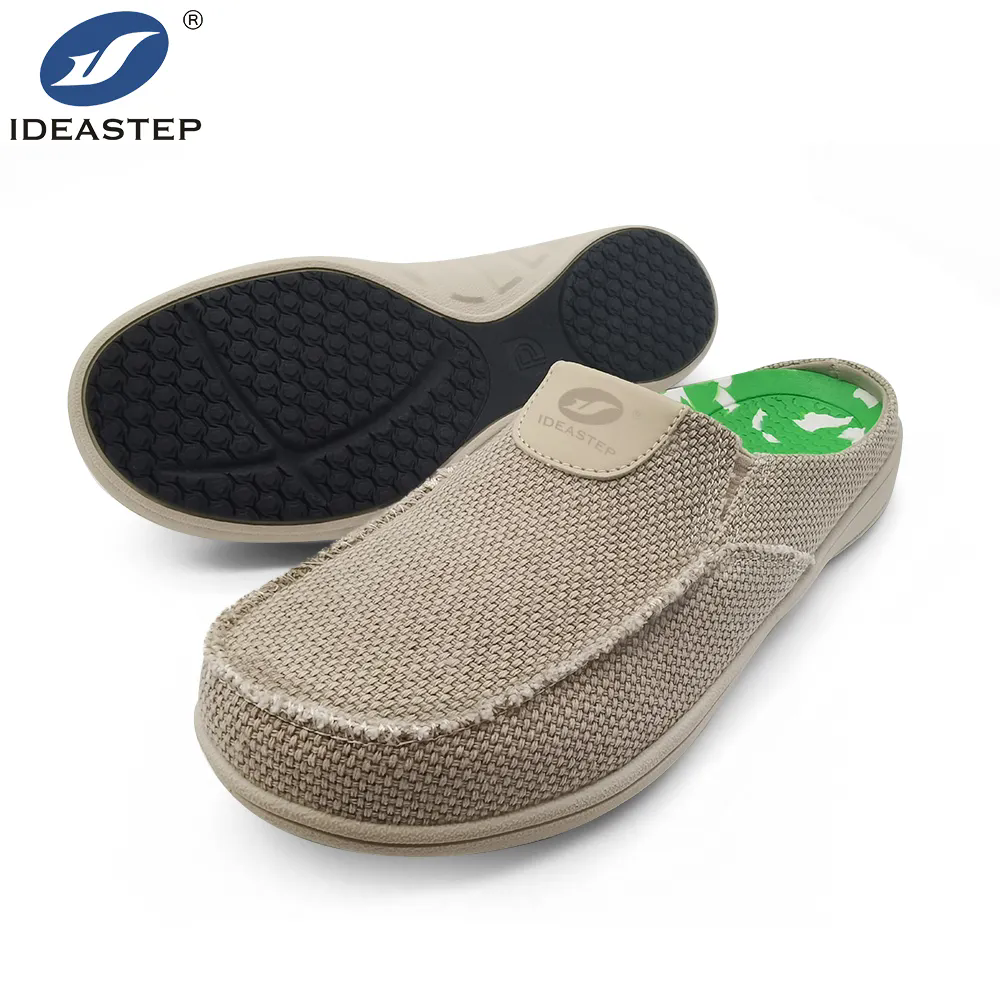
Why Private Label Orthotics Work for Scaling Footwear Brands
Private label orthotics provide a unique combination of speed, scalability, and differentiation. They allow footwear companies to enhance product performance without restructuring their entire supply chain.
Compared to full shoe redevelopment programs, orthotic integration requires significantly lower investment because the biomechanical foundation is pre-engineered and only needs adaptation at the brand level.
This makes it particularly suitable for mid-sized brands looking to move upmarket without increasing operational complexity.
Industry Trends: The Future of Functional Footwear in Europe
The success of early adopters is driving broader industry adoption across Europe. Footwear is increasingly being evaluated not only on design and price, but also on functional performance.
Several trends are shaping this evolution:
- Integration of 3D foot scanning into product development
- Data-driven orthotic design based on plantar pressure mapping
- Expansion of functional footwear into lifestyle categories
- Growth of OEM partnerships focused on foot health solutions
- Blurring boundaries between medical, occupational, and consumer footwear
As these trends continue, orthotic systems are expected to become a standard component in many footwear categories rather than a premium add-on.
Conclusion
The experience of this European footwear brand demonstrates how private label orthotics can serve as a practical and scalable growth strategy in a highly competitive market.
By integrating biomechanical support systems into existing footwear lines, the brand successfully transitioned from competing on comfort alone to competing on functional foot health performance.
For footwear manufacturers, distributors, and OEM buyers, private label orthotics represent more than a product enhancement. They offer a strategic pathway to differentiation, higher margins, and long-term positioning in the evolving global footwear industry.