Introduction: EVA Foam Insoles as a Core Engineering Material in Footwear Supply Chains
In most OEM footwear systems, EVA foam insoles are not treated as simple cushioning inserts. They are baseline engineering components used to balance comfort, weight reduction, and production scalability across large-scale footwear programs.
For footwear brands and distributors, EVA remains one of the most practical material choices because it offers predictable performance under repeated walking cycles and stable manufacturability in high-volume production.
What Are EVA Foam Insoles?
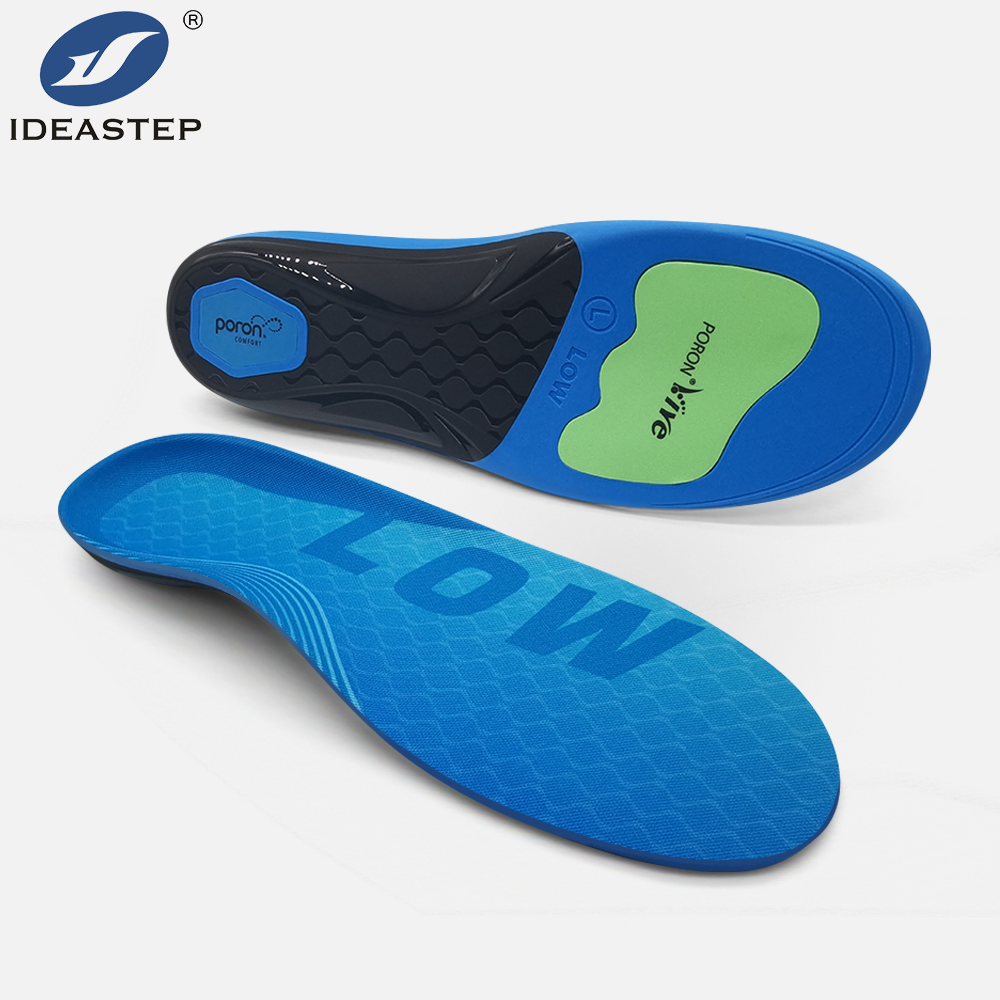
EVA foam insoles are cushioning components made from Ethylene Vinyl Acetate (EVA), a polymer material known for its lightweight structure and shock-absorbing properties.
In OEM applications, EVA insoles are engineered with controlled density and hardness rather than being simple foam sheets. Their performance depends heavily on material formulation and structural design.
Unlike generic inserts, industrial EVA insoles are designed for consistent behavior across thousands of production cycles, making them suitable for global footwear supply chains.
Why EVA Foam Insoles Are Widely Used in Footwear Manufacturing
Lightweight Structure for Modern Footwear Design
In most OEM systems, EVA remains the standard lightweight cushioning material because it significantly reduces overall shoe weight without sacrificing basic comfort performance.
This is particularly important for sports footwear, walking shoes, and travel-oriented products where fatigue reduction is a key design requirement.
Stable Shock Absorption Performance
EVA foam provides consistent shock absorption during heel strike and walking impact phases. It helps distribute pressure more evenly across the footbed under dynamic movement conditions.
However, performance is strongly dependent on density control and structural zoning rather than material alone.
Cost Efficiency and Manufacturing Scalability
From a production perspective, EVA is one of the most cost-efficient materials for mass manufacturing. It supports high-speed molding, cutting, and shaping processes with stable output consistency.
This makes it highly suitable for OEM and ODM programs targeting global distribution networks.
EVA Foam Compared to PU and TPU in Footwear Applications
In engineering-grade footwear systems, EVA is typically used as the primary cushioning layer, while PU and TPU serve reinforcement roles.
- EVA: Lightweight cushioning and basic shock absorption
- PU: Long-term structural stability and anti-collapse support
- TPU: Motion control and dynamic stability reinforcement
In most OEM designs, EVA alone is not sufficient for long-term high-load applications and is often combined with PU or TPU to improve durability and structural performance.
Engineering Design Principles of EVA Foam Insoles
Density and Hardness Control
In OEM production, EVA performance is determined by density and hardness parameters. Higher density EVA provides stronger support, while lower density EVA improves softness and cushioning feel.
Incorrect density selection often leads to inconsistent performance between samples and mass production.
Multi-Layer Structural Design
Advanced EVA insoles are not single-layer foam products. They are structured systems combining multiple functional layers:
- Comfort layer for initial foot contact
- Cushioning layer for impact absorption
- Stability layer for structural control
Footwear Category Adaptation
EVA insole design must be adjusted based on footwear category. Sports shoes require higher rebound response, while work shoes prioritize long-term stability and fatigue reduction.
Applications Across Footwear Categories
Sports and Performance Footwear
In athletic applications, EVA insoles help absorb impact forces and improve comfort during repetitive movement cycles such as running and jumping.
Work and Industrial Footwear
For long-standing environments, EVA insoles reduce fatigue by distributing pressure more evenly across the plantar surface.
Casual and Lifestyle Footwear
In everyday shoes, EVA provides a balance of comfort and lightweight performance suitable for extended daily wear.
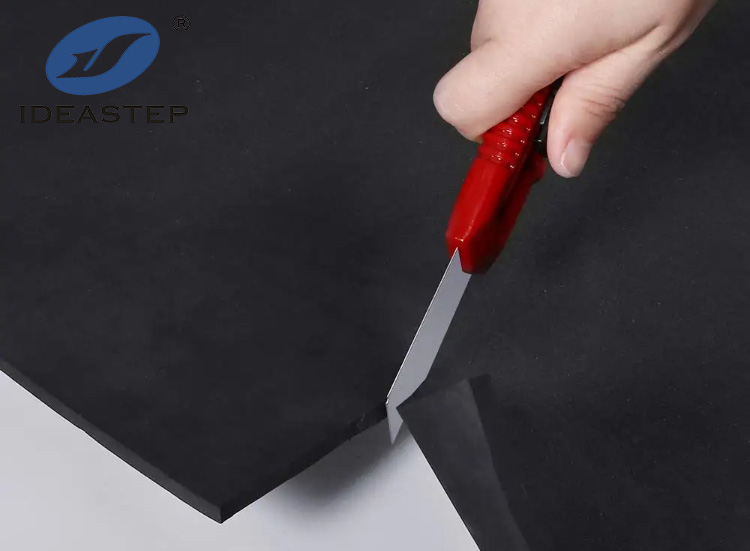
OEM/ODM Manufacturing Process for EVA Foam Insoles
Step 1: Application and Requirement Definition
The development process begins with defining footwear category, user scenario, and performance expectations such as cushioning level and support requirements.
Step 2: Material Selection and Density Engineering
EVA formulation is selected based on hardness, density, and rebound requirements. This ensures stable mechanical behavior during mass production.
Step 3: Structural and Mold Design
Insole geometry is designed based on foot anatomy principles, including arch support zones and pressure distribution mapping.
Step 4: Sample Validation and Testing
Prototypes undergo compression testing, wear simulation, and real-user feedback evaluation to ensure performance stability.
Step 5: Mass Production and Quality Control
During large-scale production, consistency checks are applied to ensure uniform density, structural accuracy, and batch-to-batch stability.
What Buyers Should Look for in an EVA Foam Insole Supplier
For footwear brands and distributors, supplier selection should not be based on price alone. The real difference lies in engineering capability and production consistency.
- Stable EVA density control across production batches
- Consistent compression recovery performance
- Ability to produce multiple hardness grades for different footwear categories
- Structural design capability beyond basic foam cutting
Suppliers without controlled material engineering systems often show significant variation between samples and mass production results.
Common Misunderstandings About EVA Foam Insoles
A common misconception is that softer EVA automatically provides better comfort. In practice, excessive softness can reduce structural stability and increase fatigue during long-term use.
Another misunderstanding is that all EVA materials perform the same. In reality, performance varies significantly based on formulation, density, and structural design.
Future Trends: EVA Foam Moving Toward Composite Engineering Systems
The EVA insole industry is evolving toward hybrid material systems combining EVA with PU and TPU to improve durability and motion control.
At the same time, data-driven design using foot scanning and pressure mapping is becoming increasingly common in OEM development programs.
This shift is transforming EVA insoles from simple cushioning products into engineered biomechanical components.
Conclusion: EVA Foam Insoles as a Strategic Material for Global Footwear Brands
EVA foam insoles remain a foundational material in footwear manufacturing due to their balance of cost efficiency, lightweight structure, and scalable production performance.
For brands and distributors, the key value is not EVA itself, but how consistently it is engineered, structured, and integrated into different footwear systems.
In OEM and ODM production, long-term success depends on material control, structural design capability, and manufacturing consistency rather than material selection alone.
Industry Insights: Why EVA Foam Insoles Are Essential for Modern Footwear Design.