
Introduction: Moving Beyond Comfort Into Medical Orthotic Engineering
In most modern footwear development systems, orthopedic insoles are no longer treated as simple comfort components. They are increasingly designed as biomechanical support devices that help manage foot alignment, pressure distribution, and long-term walking stability.
Ideastep operates within this category as a medical-oriented orthopedic insole manufacturer in China, focusing on engineered foot support systems for global footwear brands, healthcare distributors, and orthotic product developers.
Our development approach is built around one principle: foot support performance must remain stable under real walking conditions, not just in static comfort testing.
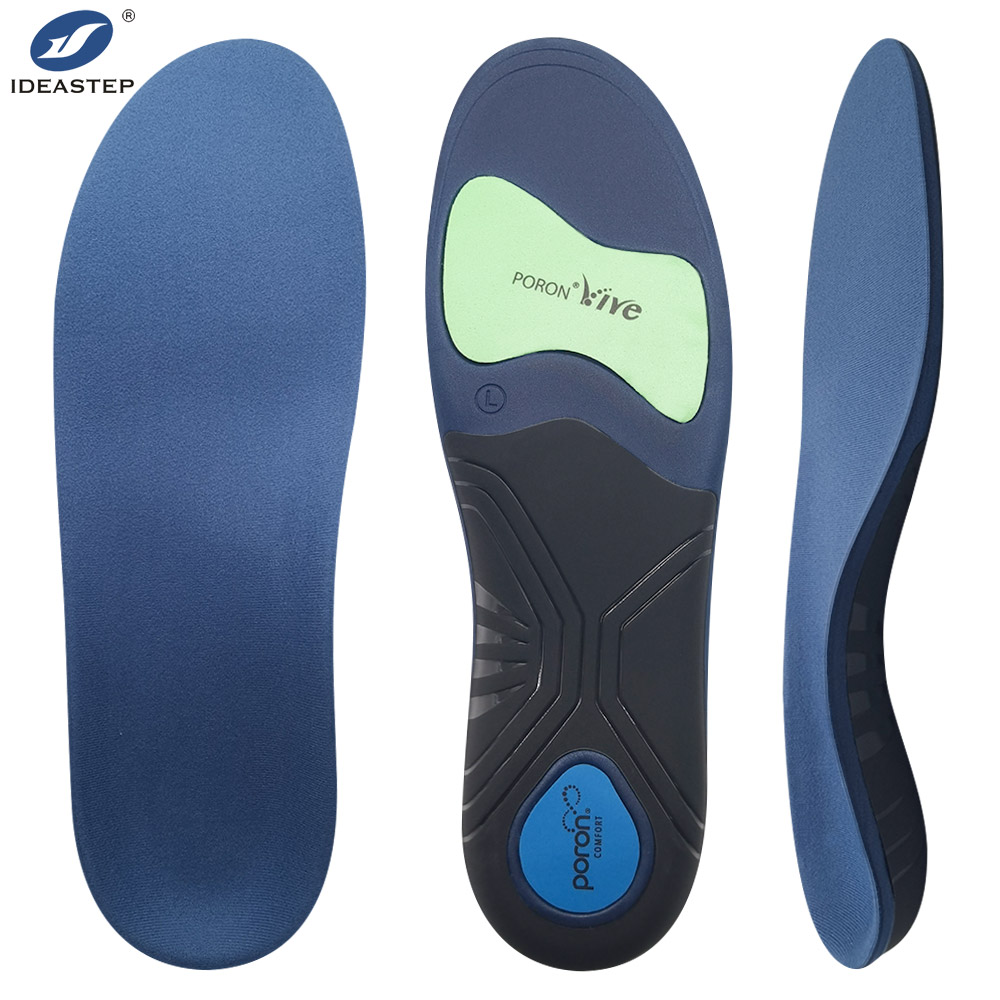
Medical Orthopedic Insoles vs Standard Comfort Insoles
The difference between medical orthopedic insoles and standard comfort insoles is not only material-based, but functional in design logic.
Standard Comfort Insoles
Standard insoles mainly focus on cushioning and softness. Their primary goal is to improve comfort perception during short-term use.
Medical Orthopedic Insoles
Medical orthopedic insoles are designed to support biomechanical alignment. They aim to manage structural issues such as flat feet, overpronation, and uneven pressure distribution during gait.
In most footwear engineering systems, medical insoles are evaluated based on structural stability rather than softness level.
Ideastep Position in the Orthopedic Insole Industry
The orthopedic insole market sits between healthcare support and industrial footwear manufacturing. Ideastep focuses on bridging these two areas through scalable OEM/ODM production of medical-oriented foot support systems.
Unlike general foam insole suppliers, our development process is based on biomechanical engineering principles, including foot pressure mapping and gait behavior analysis.
What Defines a Medical-Grade Orthopedic Insole?
Biomechanical Support Structure
Medical insoles are designed to support foot alignment during movement, not just provide cushioning at rest. This includes controlling excessive pronation and improving arch stability.
Pressure Redistribution Engineering
Instead of simply absorbing impact, medical orthopedic insoles redistribute plantar pressure across different zones of the foot to reduce localized overload.
Long-Term Structural Stability
A key requirement in medical applications is maintaining arch support and material integrity under repeated compression cycles during daily walking.
Core Medical Orthotic Insole Product Categories
Arch Support Orthopedic Insoles
Designed for neutral and high arch users, these insoles help maintain lower limb alignment and reduce strain on the plantar fascia.
Flat Foot Support Insoles
Flat foot (overpronation) insoles focus on medial arch reinforcement and motion control during stance and gait phases.
High Arch Cushioning Insoles
High arch users often experience concentrated pressure in heel and forefoot areas. These insoles provide targeted cushioning and shock absorption.
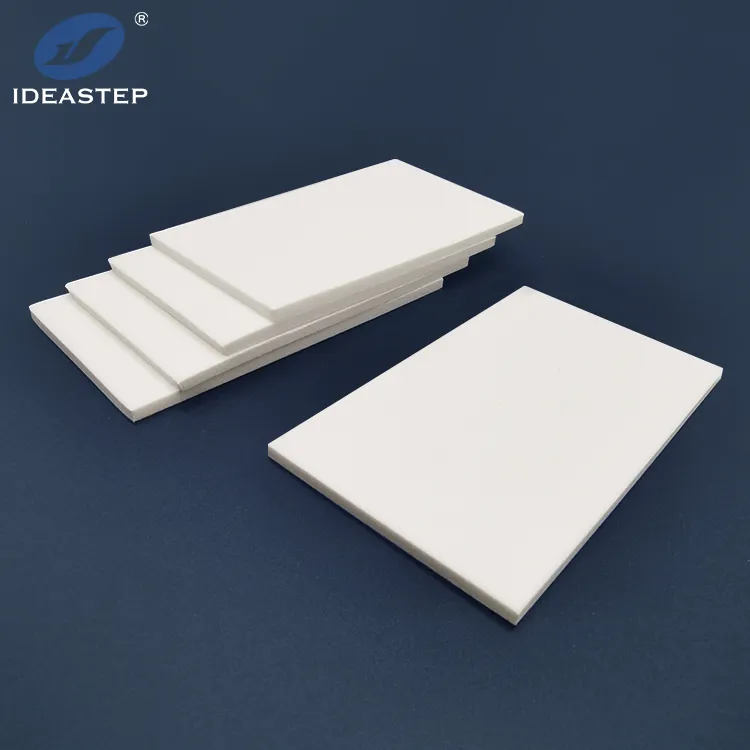
Medical-Oriented Material Engineering System
EVA: Controlled Cushioning Base Layer
EVA is widely used as a base cushioning material due to its lightweight structure and predictable compression behavior under load.
PU: Structural Support Layer
PU enhances long-term durability and helps maintain arch structure stability under continuous walking stress.
TPU: Motion Control Reinforcement
TPU is applied in specific zones to improve gait stability and reduce excessive lateral foot movement.
Biomechanical Design Principles Behind Ideastep Insoles
Foot Pressure Distribution Analysis
Insole design begins with understanding how plantar pressure shifts during walking phases such as heel strike, mid-stance, and toe-off.
Arch Alignment Control
Proper arch support is essential for maintaining overall lower limb alignment and reducing compensatory stress on knees and ankles.
Gait Stability Optimization
Medical insoles are engineered to improve walking stability by controlling excessive inward or outward foot rotation.
OEM/ODM Capabilities for Medical Orthopedic Insoles
Healthcare-Oriented Custom Development
We support OEM/ODM development for medical footwear brands, orthopedic distributors, and private label healthcare product companies.
Material Density and Structural Engineering
Different applications require different EVA densities and PU hardness levels to achieve specific medical support outcomes.
Prototype Validation and Testing
Each product undergoes compression testing, wear simulation, and structural validation to ensure consistent performance before mass production.
Mass Production Consistency Control
Medical-grade products require strict batch consistency. Our production system ensures uniform structural performance across large-scale manufacturing.
What Healthcare Brands Should Expect from a Medical Orthotic Supplier
Not all orthopedic insole suppliers operate at a medical engineering level. Many focus only on foam cushioning without biomechanical design capability.
When evaluating suppliers, brands should consider the following:
- Consistency of pressure redistribution performance across batches
- Long-term stability of arch support under compression cycles
- Material engineering capability beyond single-layer EVA foam
- Understanding of gait-based biomechanical design principles
Low-tier suppliers typically rely on generic foam materials without structured orthopedic engineering systems, leading to inconsistent functional performance.
Common Misunderstandings in Orthopedic Insole Design
A common misconception is that softer materials automatically provide better medical support. In reality, excessive softness reduces structural control and long-term stability.
Another misunderstanding is that all EVA-based insoles perform similarly. Performance differences depend heavily on density control, structural design, and material combination systems.
Industry Trend: From Foam Comfort Products to Medical Orthotic Systems
The global insole industry is shifting from comfort-driven foam products to medical-oriented orthotic systems supported by biomechanical engineering.
Key trends include:
- 3D foot scanning for structural customization
- Pressure mapping-based design optimization
- Multi-material orthopedic systems (EVA + PU + TPU)
- Increased demand for gait correction support products
Ideastep continues to develop within this trend by focusing on engineering-based orthotic solutions rather than generic cushioning products.
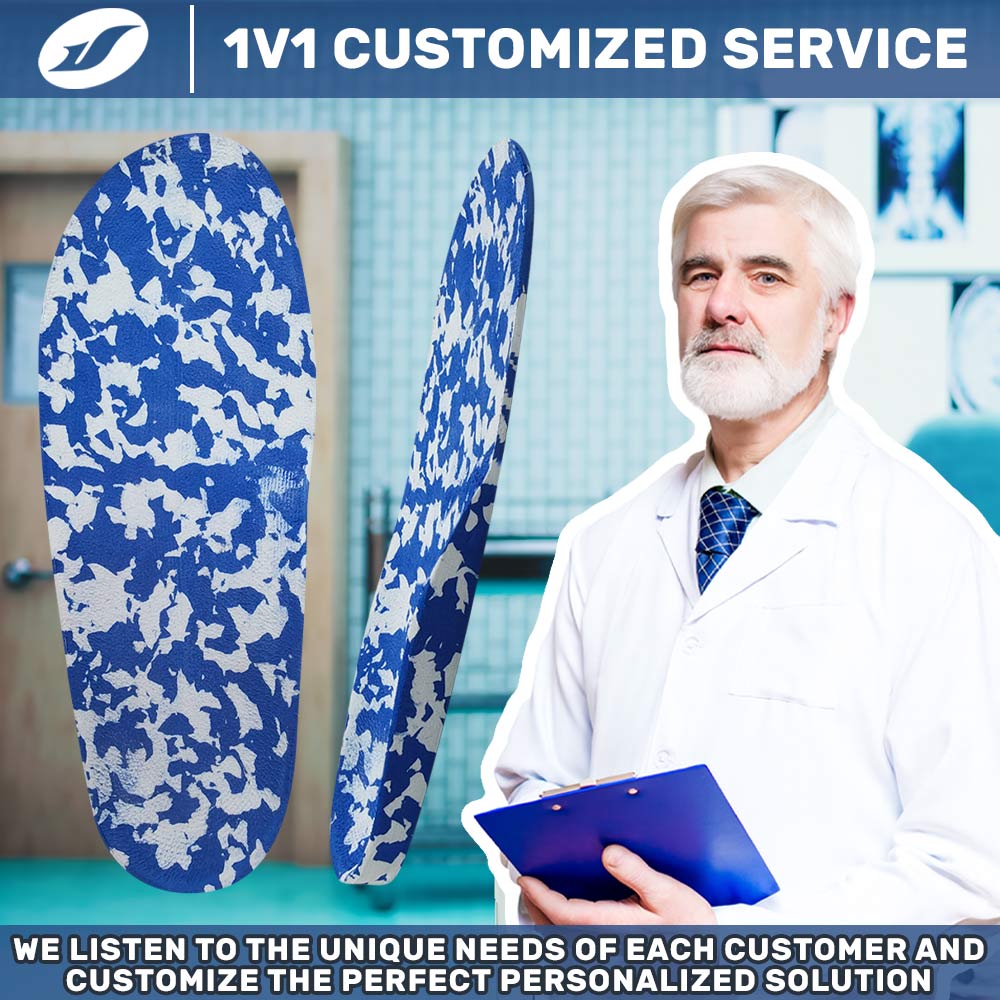
Conclusion: A Medical-Oriented Orthopedic Insole Manufacturer Built on Engineering Logic
Ideastep is positioned as a medical-oriented orthopedic insole manufacturer focused on biomechanical support systems, structural stability, and scalable OEM/ODM production capabilities.
Our core value is not only manufacturing capacity, but the engineering logic behind each orthotic system we develop.
As global demand continues to shift toward medical-grade foot support solutions, Ideastep remains committed to delivering orthopedic systems that combine biomechanical principles with industrial-scale production reliability.