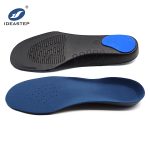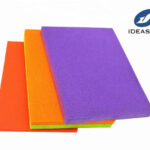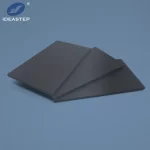
When developing orthotic insoles, material selection plays a critical role in determining comfort, support, durability, and overall product performance. For footwear brands, orthopedic product companies, distributors, and private-label buyers, understanding the differences between EVA, PU, and TPU is essential for creating products that meet market demands and customer expectations.
Among the most commonly used orthotic insole materials, EVA (Ethylene Vinyl Acetate), PU (Polyurethane), and TPU (Thermoplastic Polyurethane) each offer unique advantages. However, they differ significantly in cushioning, resilience, structural support, durability, and cost.
In this guide, we’ll compare EVA, PU, and TPU materials to help you determine which option is best suited for your orthotic insole project.
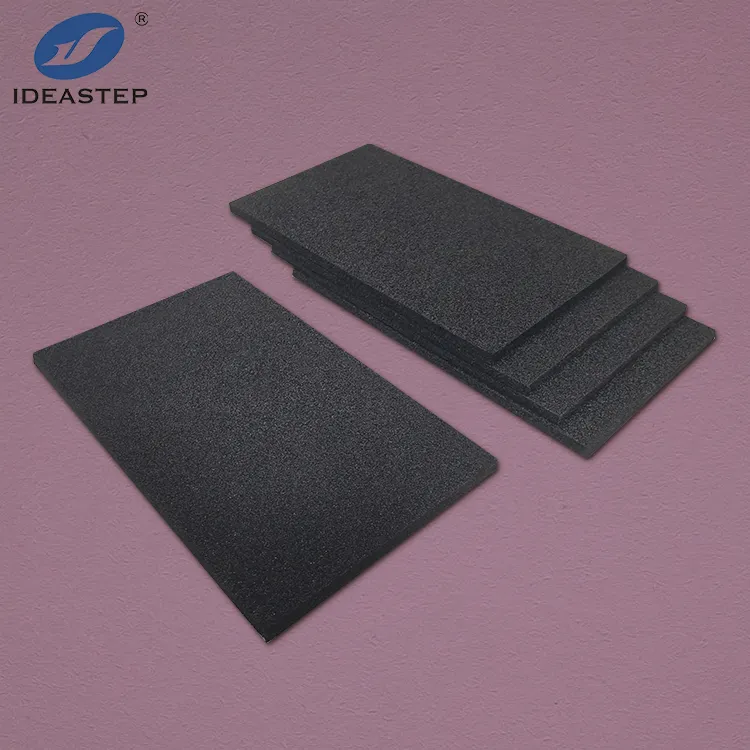
EVA: A Lightweight and Cost-Effective Solution
EVA (Ethylene Vinyl Acetate) is one of the most widely used foam materials in the insole industry. Known for its lightweight structure and affordability, EVA is commonly found in everyday footwear, sports shoes, and entry-level orthotic insoles.
Key Benefits of EVA Insoles
- Lightweight construction
- Good shock absorption
- Easy to mold and customize
- Efficient for mass production
- Cost-effective material option
Because of its low density, EVA helps reduce overall product weight while providing basic cushioning and comfort. This makes it an attractive choice for high-volume production and price-sensitive markets.
However, EVA has limitations. Over time, the material may compress and lose some of its original shape, resulting in reduced cushioning and arch support. For products requiring long-term performance, EVA is often combined with other materials to enhance durability and stability.
Best Applications for EVA Orthotic Insoles
- Everyday comfort insoles
- Sports and casual footwear
- Children’s insoles
- Entry-level orthotic insoles
- Private-label mass-market products
PU: The Preferred Choice for Comfort and Long-Term Support
PU (Polyurethane) is widely regarded as one of the best materials for premium orthotic insoles. Compared to EVA, PU offers superior cushioning, better energy absorption, and greater resistance to compression over time.
As a result, PU is frequently used in medical-grade insoles, foot care products, and high-end comfort footwear.
Key Benefits of PU Insoles
- Excellent shock absorption
- Superior long-term comfort
- Strong resistance to compression
- Improved pressure distribution
- Enhanced durability
PU maintains its cushioning properties longer than EVA, making it ideal for users who spend extended hours standing, walking, or working on hard surfaces.
Many orthopedic and diabetic insole solutions utilize PU because of its ability to reduce foot fatigue and improve overall comfort.
Although PU is generally more expensive and slightly heavier than EVA, the performance benefits often justify the additional investment, particularly for premium product lines.
Best Applications for PU Orthotic Insoles
- Medical orthotic insoles
- Diabetic insoles
- Comfort footwear
- Occupational insoles for workers
- Senior foot care products
TPU: High-Performance Support for Advanced Orthotic Designs
TPU (Thermoplastic Polyurethane) has become increasingly popular in high-performance footwear and advanced orthotic insole designs. Its exceptional resilience and structural strength make it an ideal material for support-focused applications.
Unlike EVA and PU, TPU is often used as a functional support component rather than the primary cushioning layer.
Key Benefits of TPU Insoles
- Outstanding energy return
- Excellent resilience
- High durability and wear resistance
- Superior arch support
- Long product lifespan
In orthotic insoles, TPU is commonly integrated into arch support shells, heel stabilizers, and structural frames to improve foot alignment and overall stability.
For sports performance products, TPU helps deliver greater responsiveness and support during movement, making it particularly valuable in running, basketball, and outdoor footwear applications.
While TPU typically comes with higher material and tooling costs, its performance advantages make it a preferred option for premium and professional-grade products.
Best Applications for TPU Orthotic Insoles
- Running insoles
- Athletic performance insoles
- Basketball insoles
- Outdoor and hiking footwear
- Premium orthotic solutions
EVA vs PU vs TPU: Material Comparison
| Property | EVA | PU | TPU |
|---|---|---|---|
| Weight | Excellent | Good | Moderate |
| Cushioning | Good | Excellent | Good |
| Energy Return | Moderate | Good | Excellent |
| Support | Moderate | Good | Excellent |
| Durability | Moderate | Good | Excellent |
| Compression Resistance | Moderate | Good | Excellent |
| Cost | Low | Medium | High |
| Premium Market Suitability | Basic | High | Very High |
Why Composite Insole Materials Are Becoming the Industry Standard
As consumer expectations continue to evolve, many brands are moving away from single-material designs and adopting multi-layer constructions that combine the strengths of different materials.
EVA + TPU
Combines lightweight cushioning with enhanced arch support, making it popular in sports and lifestyle footwear.
PU + TPU
Delivers an excellent balance of comfort, stability, and durability, making it one of the most common solutions for premium orthotic insoles.
EVA + Gel
Improves shock absorption while maintaining competitive production costs.
Composite structures allow manufacturers to create more differentiated products while addressing a wider range of consumer needs.
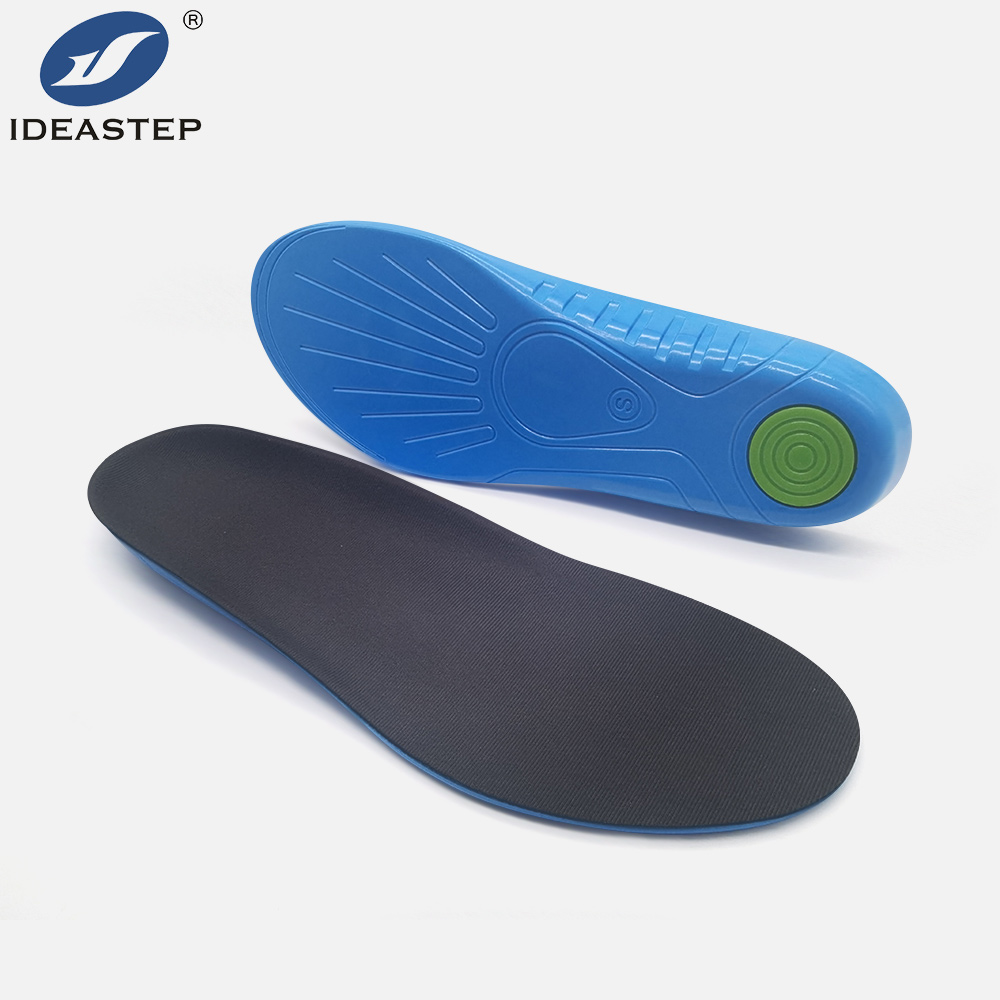
How to Choose the Right Material for Your Orthotic Insole Project
There is no universal material that works for every application. The ideal choice depends on your target market, product positioning, performance requirements, and budget.
- Choose EVA if lightweight construction and cost efficiency are your primary goals.
- Choose PU if long-term comfort and cushioning are key selling points.
- Choose TPU if your product requires maximum support, resilience, and durability.
- Choose a composite structure if you want to optimize comfort, performance, and market differentiation.
For OEM and ODM projects, many successful brands use customized material combinations to achieve the right balance between performance, cost, and consumer expectations.
Conclusion
EVA, PU, and TPU each offer unique advantages in orthotic insole manufacturing. EVA stands out for its lightweight properties and affordability, PU excels in comfort and long-term cushioning, while TPU provides superior support and durability for performance-driven applications.
For brands, distributors, and product developers, selecting the right material is not only a technical decision but also a strategic one that directly influences product positioning and customer satisfaction.
If you’re developing custom orthotic insoles, partnering with an experienced Orthotic Insole Manufacturer can help you identify the optimal material combination and create products that stand out in today’s competitive footwear market.