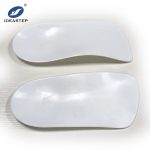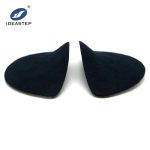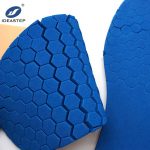
EVA Cushion Insoles: The Ideal Solution for Comfort and Shock Absorption in Footwear
In today’s footwear market, whether it’s sports shoes, casual shoes, or work boots, the performance of insoles plays a critical role in overall comfort. Cushioning, shock absorption, and durability not only affect the end-user experience but also influence brand reputation and competitiveness. For footwear companies and B2B clients, selecting high-quality insole materials is essential for enhancing product value and minimizing after-sales issues.
EVA (Ethylene Vinyl Acetate) cushion insoles are widely recognized for their lightweight, soft, and resilient properties. This article explores the material characteristics, shock absorption mechanisms, comfort features, and B2B applications of EVA insoles, providing actionable insights for procurement decisions.
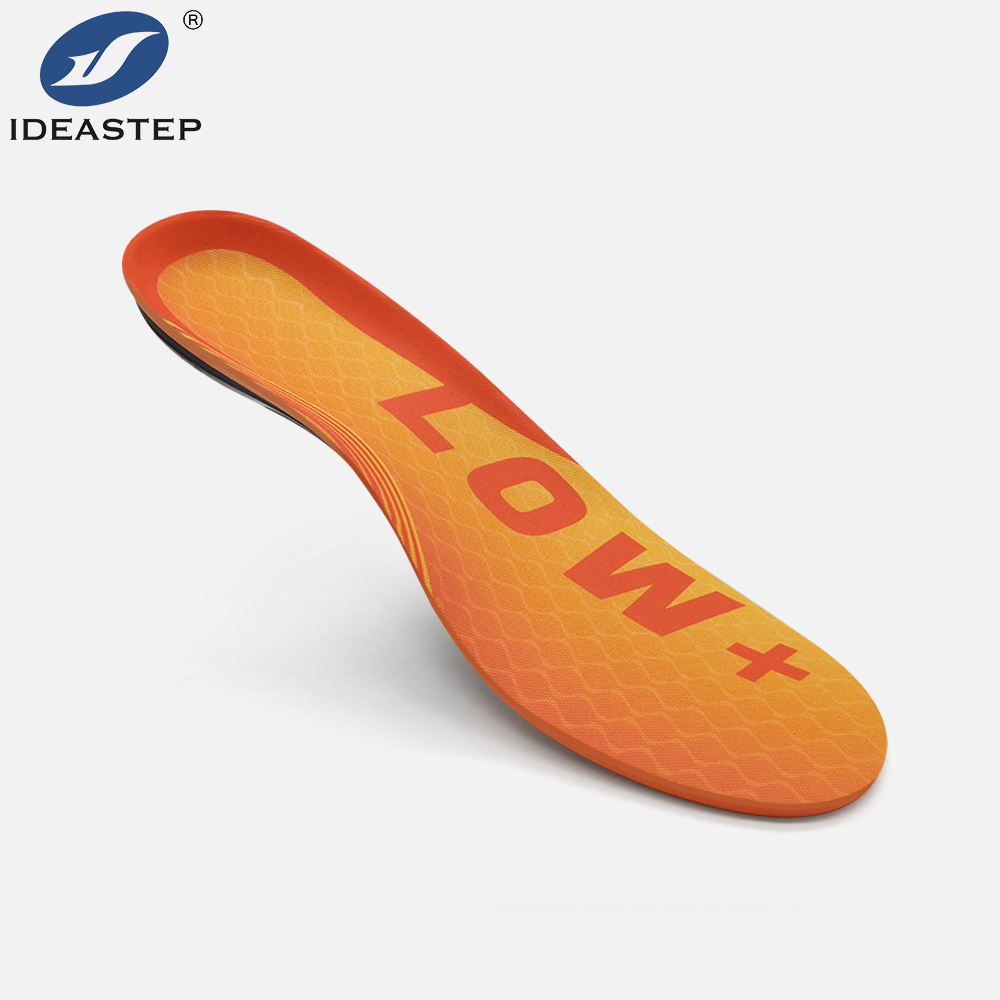
What Are EVA Cushion Insoles?
EVA, or Ethylene Vinyl Acetate, is a high-performance polymer material known for its excellent flexibility and cushioning properties. Its foam structure is lightweight and capable of absorbing and dispersing impact forces, making it ideal for footwear applications.
EVA insoles are commonly used in:
- Sports shoes: providing cushioning and joint protection
- Casual shoes: enhancing everyday comfort
- Work boots: reducing fatigue during long hours of standing or walking
Compared to other insole materials, EVA offers clear advantages:
- Lighter and softer than PU insoles
- Better breathability and antibacterial properties than memory foam insoles
- Cost-effective and suitable for large-scale production and customization
For B2B clients, these features make EVA insoles a reliable choice for improving product performance across various footwear categories.
How EVA Insoles Absorb Shock
The core advantage of EVA insoles lies in their shock-absorbing capability. During walking or running, EVA insoles effectively disperse the forces applied to the feet, reducing pressure on the foot, knees, and ankles.
The combination of high- and low-density EVA layers provides a “soft yet supportive” cushioning effect. Industry tests show that EVA insoles can absorb approximately 30%-50% of impact energy, significantly reducing pressure concentration on the foot. This helps decrease fatigue and the risk of joint injuries.
Such shock absorption not only enhances comfort but also provides data-backed reliability, increasing trust in procurement decisions.
Comfort Advantages of EVA Insoles
1. Lightweight and Soft
EVA insoles are lightweight and soft, minimizing fatigue even during extended wear. This is particularly important for work boots, sports shoes, and footwear worn for long periods.
2. Breathable and Antibacterial
High-quality EVA insoles often feature perforations for airflow and can be treated with antibacterial agents, reducing odor and enhancing overall comfort.
3. Highly Customizable
EVA insoles can be customized in thickness, density, and shape to suit different footwear types, user scenarios, and brand requirements:
- Sports shoes: emphasize cushioning and rebound
- Work boots: focus on durability and comfort
- Outdoor shoes: balance support and anti-fatigue features
Customization allows B2B clients to respond quickly to market demands and create differentiated products.
B2B Benefits of EVA Insoles
For footwear companies and brands, EVA insoles provide multiple business advantages:
- Reduced returns and complaints: durable, comfortable insoles enhance customer satisfaction
- Versatility: suitable for sports, casual, work, and outdoor shoes
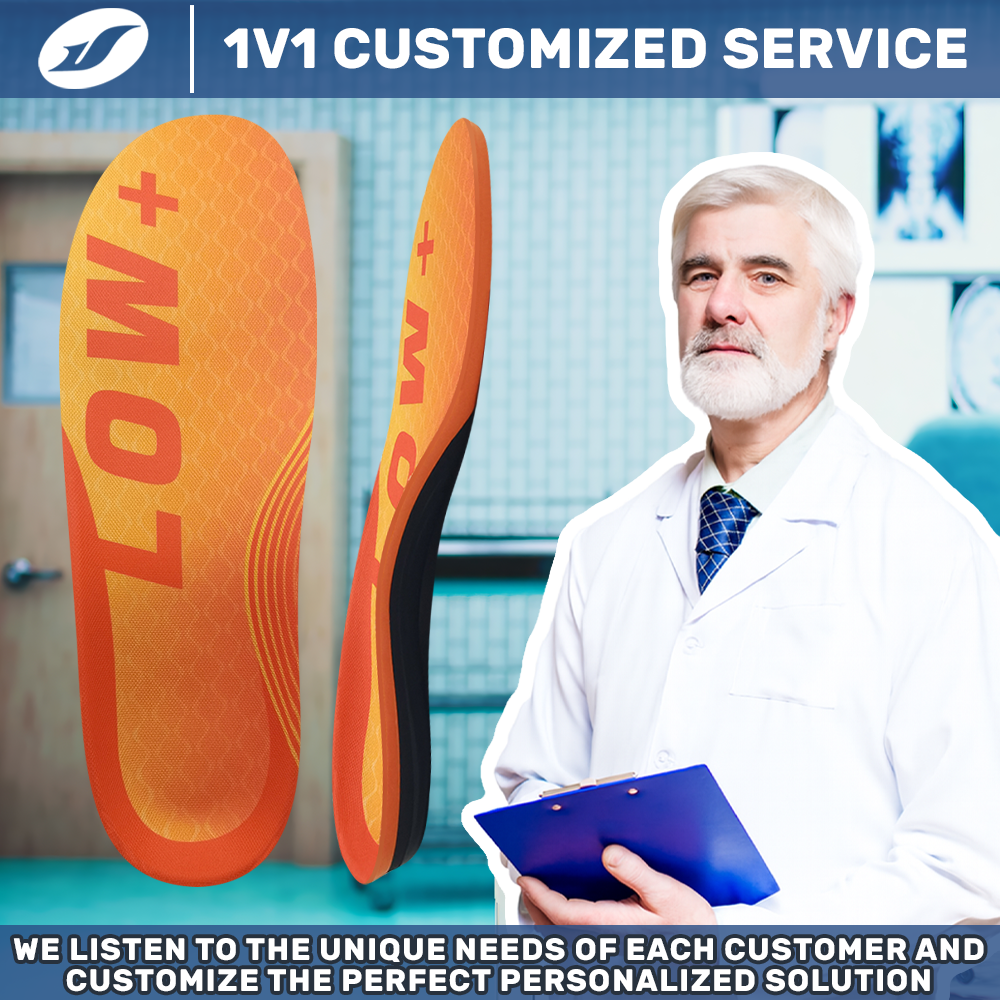
- ODM/OEM customization: adjustable thickness, density, and shape, with options to add logos or special features
This flexibility and cost-effectiveness make EVA insoles an ideal choice for B2B procurement.
How to Choose the Right EVA Insoles
Selecting the right EVA insole requires considering footwear type and usage scenario:
- Density and hardness matching: Sports shoes: medium-low density for cushioning and softness; Work boots: medium-high density for durability.
- Comfort and durability: Shoes worn for long hours should prioritize softness, breathability, and antibacterial properties.
- Supplier reliability: A trusted supplier provides sample testing, customization services, and a stable supply chain to ensure smooth B2B collaboration.
It is recommended to test small batches first and then scale production based on user feedback and product requirements.
Conclusion
EVA cushion insoles, with their lightweight, soft, and excellent shock absorption properties, are essential for enhancing comfort and competitiveness in footwear products.
For B2B clients, high-quality EVA insoles not only meet consumer expectations for comfort and performance but also offer customization options to differentiate brands and increase product value.
Action Steps:
- Contact a reliable EVA insole supplier for samples and testing
- Choose the right density and thickness based on footwear type
- Consider customized solutions to enhance brand competitiveness
By selecting quality EVA materials and leveraging customization, footwear brands can deliver superior comfort while standing out in a competitive market.