Introduction
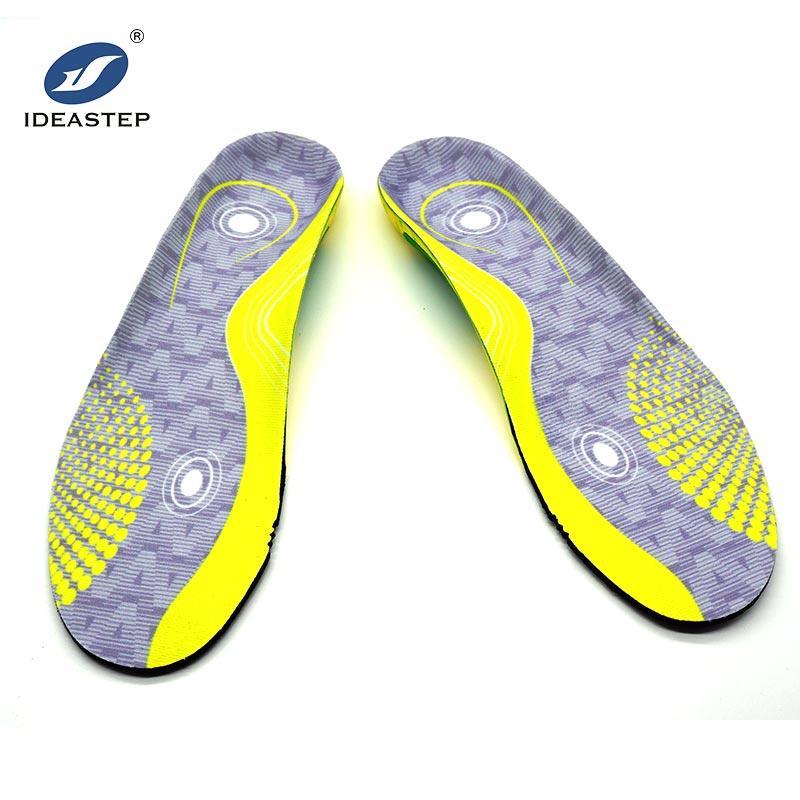
Shoe inserts orthotics combine structural components and material layers to achieve specific design requirements. Arch profiles, heel cups, forefoot elements, and reinforcement shells each contribute to the overall construction.
For orthotic product manufacturers, wholesalers, and footwear brands, selecting the right combination requires more than choosing individual materials. Component dimensions, material properties, and assembly compatibility must work together within the finished design.
This article examines the main support structures used in orthotic shoe inserts, compares commonly used materials, and explains how manufacturers combine them for different product specifications.
1. Key Support Structures in Orthotic Shoe Inserts
An orthotic insert typically contains several structural sections. Their dimensions, shapes, and material properties determine the construction of the finished product.
Arch Support
The arch section is a defining component of many orthotic inserts. Its height, length, contour, and rigidity determine the supporting profile.
Common design variations include:
- Low-profile arch: Features a shallow contour and reduced structural height.
- Medium-profile arch: Uses a moderate contour for general orthotic product designs.
- High-profile arch: Incorporates a more pronounced contour and may require a firmer supporting structure.
- Full-length arch: Extends through a larger portion of the footbed.
- Shortened arch: Uses a more localized support structure, often in three-quarter-length designs.
EVA, TPU, and PP are common material options for these structures. Selection depends on the required rigidity, thickness, and overall insole construction.
Heel Cup and Rearfoot Structure
The heel cup forms the rearfoot section of many orthotic inserts. Its depth, width, wall angle, and contour determine the geometry of this area.
Common configurations include:
- Integrated molded heel cups
- Semi-rigid heel shells
- Flexible heel contours
- Reinforced rearfoot structures
TPU and PP are suitable options for defined shell structures, while EVA and PU foam can form cushioning layers around the heel area. The selected design should account for shell thickness, edge profile, and the connection between rigid and flexible sections.
Forefoot and Metatarsal Components
Forefoot construction varies according to the product specification. Some designs incorporate additional cushioning or localized structural components.
Common options include:
- Metatarsal pads
- Forefoot cushioning layers
- Flexible forefoot extensions
- Localized reinforcement pieces
- Tapered forefoot edges
Pad position, thickness, and shape should be defined in the product drawing. These dimensions also affect the top cover and underlying layers, particularly in multi-component constructions.
Full-Length and Three-Quarter-Length Designs
Insole length affects component layout, material usage, and overall product dimensions.
| Construction | Structural Characteristics | Design Considerations |
|---|---|---|
| Full-Length | Extends across the heel, arch, and forefoot | Continuous footbed construction and overall thickness |
| Three-Quarter-Length | Covers the heel and arch, ending before the toes | Forefoot transition and edge finishing |
| Heel-Only | Concentrates on the rearfoot section | Localized thickness and heel geometry |
Three-quarter-length designs require particular attention to the front edge. Its thickness and contour should match the surrounding insole structure.
2. Materials Used in Orthotic Shoe Inserts
Material selection affects an insole’s density, hardness, flexibility, compression characteristics, and surface finish. Manufacturers commonly combine foam, plastic, and textile materials to meet different structural requirements.
Common Material Options
| Material | Typical Application | Key Properties to Consider |
|---|---|---|
| EVA Foam | Base layers, cushioning, and arch structures | Density, hardness, compression, and rebound |
| PU Foam | Cushioning layers and molded footbeds | Density, resilience, and surface characteristics |
| TPU | Support shells and reinforcement components | Hardness, flexibility, and structural stability |
| PP | Semi-rigid shells and arch support structures | Stiffness, thickness, and forming characteristics |
| PORON-Type Materials | Localized cushioning layers | Thickness, compression response, and recovery |
| Latex | Flexible cushioning components | Elasticity, density, and construction compatibility |
| Microfiber | Top covers and surface layers | Texture, abrasion resistance, and bonding compatibility |
| Polyester Fabric | Top covers and lining | Surface finish, durability, and color options |
Each material serves a different purpose. Soft foam, for example, may suit a cushioning layer but lack the rigidity required for a defined support shell. Material selection should therefore follow the function of each component.
EVA Foam in Insole Construction
EVA is widely used in orthotic inserts because manufacturers can select different densities, hardness levels, and thicknesses.
Typical applications include:
- Base cushioning layers
- Molded arch profiles
- Heel and forefoot sections
- Dual-density constructions
- Full-length and three-quarter-length footbeds
Multi-density EVA combines foam grades with different hardness levels in one product. A firmer section can form part of the structural base, while softer sections can be used in selected cushioning areas. This approach provides flexibility in product design without requiring a separate rigid shell in every construction.
TPU and PP Reinforcement
TPU and PP are used in designs that require a more defined supporting structure.
TPU offers different hardness and flexibility options. It can be formed into shaped support components, shell structures, and reinforcement sections.
PP is commonly used for semi-rigid or rigid shells. Its stiffness and forming characteristics make it suitable for products requiring a defined arch or rearfoot profile.
For both materials, manufacturers should specify thickness, geometry, edge finishing, and component positioning. These details determine how the shell integrates with the surrounding foam layers.
PU Foam, PORON-Type Materials, and Latex
These materials are mainly used in cushioning sections, although their applications vary according to product construction.
PU foam offers different density and resilience options for molded footbeds and cushioning layers. PORON-type materials can be incorporated into localized cushioning areas, while latex provides an elastic material option for selected designs.
Thickness, compression behavior, bonding compatibility, and dimensional stability should be evaluated before these materials are incorporated into the final specification.
3. Common Material Combinations
The performance characteristics and construction of an orthotic insert depend on how its materials work together. The same support profile can produce different results when manufacturers change the base material, shell, or cushioning layers.
EVA Base with TPU Support Shell
This construction combines an EVA base with a TPU reinforcement component.
A typical arrangement includes:
- EVA base for cushioning and overall thickness
- TPU shell for a defined support profile
- Fabric or microfiber top cover
The TPU thickness and geometry should match the required structural flexibility. Manufacturers must also consider how the shell connects with the EVA base during assembly.
EVA Base with PP Shell
An EVA and PP combination is suitable for designs requiring a more rigid supporting structure.
The PP shell defines the arch or rearfoot profile, while EVA forms the surrounding base or cushioning layer. A textile or microfiber cover can complete the construction.
The main design consideration is the transition between the rigid shell and softer material. Shell edges, thickness differences, and component positioning should be controlled in the product drawing.
Multi-Density EVA Construction
Multi-density EVA uses different foam grades within one insole. Manufacturers can arrange softer and firmer sections according to the required geometry.
Common configurations include:
- Firmer arch or rearfoot sections
- Softer heel cushioning areas
- Different densities across the forefoot
- Layered EVA sheets with different hardness levels
This construction allows manufacturers to adjust the properties of different insole sections while maintaining an integrated foam structure.
PU or PORON-Type Cushioning with a Support Base
Some designs combine a structured EVA or PU base with additional cushioning layers.
PORON-type materials may be added to selected areas, while microfiber or polyester fabric provides the top surface. The position and thickness of each layer should be defined in advance to maintain the required overall profile.
4. Matching Insole Structures with Footwear Categories
Footwear specifications influence insole dimensions, thickness, and component layout. Manufacturers should consider the internal shoe structure when developing an orthotic insert for a particular market or product range.
| Footwear Category | Relevant Insole Design Considerations |
|---|---|
| Athletic Shoes | Forefoot flexibility, cushioning layers, and heel geometry |
| Work Shoes | Top-cover durability, overall thickness, and base construction |
| Casual Shoes | Moderate profiles and adaptable material combinations |
| Dress Shoes | Reduced thickness and compact support components |
| Safety Footwear | Internal dimensions, material durability, and clearance requirements |
| Children’s Footwear | Size-specific geometry, controlled thickness, and material selection |
These are general design references, not fixed specifications. Actual dimensions depend on the shoe last, internal volume, removable footbed, and product requirements.
For footwear brands and orthotic suppliers, reference shoes or internal measurement data provide useful information when confirming insole dimensions and construction.
5. Technical Factors in Material and Structural Compatibility
Material combinations should be evaluated as a complete assembly. Several technical factors affect component integration and production consistency.
Overall Thickness and Internal Volume
The combined thickness of the base, shell, cushioning layers, and top cover determines the final insole profile. Manufacturers should define thickness at the heel, arch, and forefoot rather than relying on a single overall measurement.
This is particularly important for footwear with limited internal volume.
Flexibility and Structural Transitions
Orthotic inserts may combine flexible foam sections with semi-rigid or rigid shells. The transition between these areas should follow the intended product geometry.
Shell edges, changes in material hardness, and differences in layer thickness require attention during design. Poorly aligned transitions can affect the finished surface and assembly quality.
Bonding and Layer Compatibility
Multi-layer inserts often require adhesive bonding or other joining methods. Material surfaces and physical properties influence the bonding process.
Manufacturers should evaluate:
- Adhesive compatibility
- Surface preparation
- Layer alignment
- Edge finishing
- Bonding consistency
These checks are important when combining foam, plastic shells, and textile covers.
Dimensional Consistency
Each component should follow the approved product drawing or sample. Arch height, heel cup width, shell position, and pad placement need consistent specifications across the size range.
For multi-size product lines, component dimensions and positioning should be reviewed during size grading to maintain the intended construction.
6. Technical Specifications for Wholesale and Custom Projects
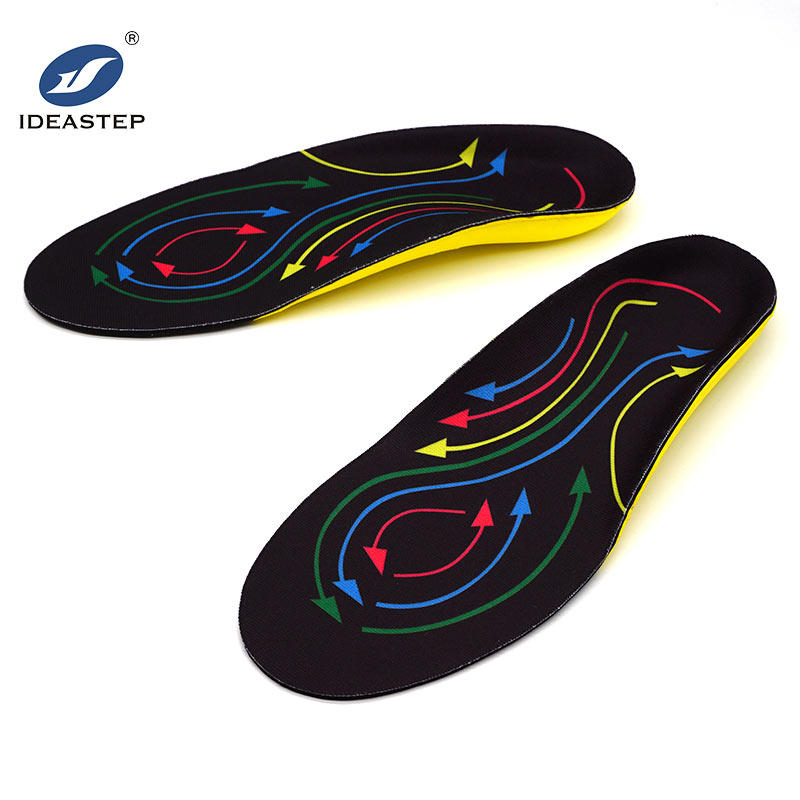
A clear specification sheet helps manufacturers evaluate the required structure, select compatible materials, and prepare accurate quotations.
| Specification | Details to Confirm |
|---|---|
| Insole Length | Full-length, three-quarter-length, or heel-only |
| Arch Profile | Height, contour, and dimensions |
| Heel Structure | Heel cup depth, width, and shell configuration |
| Forefoot Design | Metatarsal pad, cushioning, or flexible extension |
| Base Material | EVA, PU, or other specified material |
| Support Component | TPU, PP, or alternative reinforcement |
| Cushioning Layer | Material type, position, and thickness |
| Top Cover | Microfiber, polyester fabric, or other surface material |
| Size Range | Required sizes and grading specifications |
| Branding | Logo, label, and packaging requirements |
Buyers can provide reference samples, CAD drawings, product photographs, or footwear measurements to clarify the required construction.
For OEM and ODM projects, the approved sample should define the final dimensions, component positions, material specifications, and surface finish. These details provide a reference for repeat production.
7. Custom Shoe Inserts Orthotics with Ideastep
Ideastep works with B2B buyers on orthotic insole development, material selection, and customized manufacturing. Product specifications can include different arch profiles, heel structures, cushioning layers, reinforcement components, and top-cover materials.
For wholesale and private-label projects, buyers can discuss dimensions, material combinations, size ranges, branding, and packaging requirements with our team. OEM and ODM cooperation is available according to project specifications.
Contact our team to discuss your shoe inserts orthotics requirements and custom manufacturing options.
Related Reading: Medical Heel Wedges for Wholesale Buyers and Foot Care Brands.