As the global running and sports footwear market becomes increasingly competitive, brands are under constant pressure to improve product performance while maintaining strong differentiation. Beyond shoe design and branding, more companies are now focusing on the role of orthotic insoles for running as a key performance component.
For running brands, sports distributors, and private label companies, OEM orthotic insoles provide a practical and scalable way to upgrade product performance without building in-house manufacturing capabilities. By working with an experienced sports insole OEM manufacturer, brands can develop customized insole solutions tailored to different running needs, from daily training to elite competition.
This article explores how OEM running orthotic insoles are designed, what materials are used, and how brands can leverage customization to build stronger and more competitive product lines.
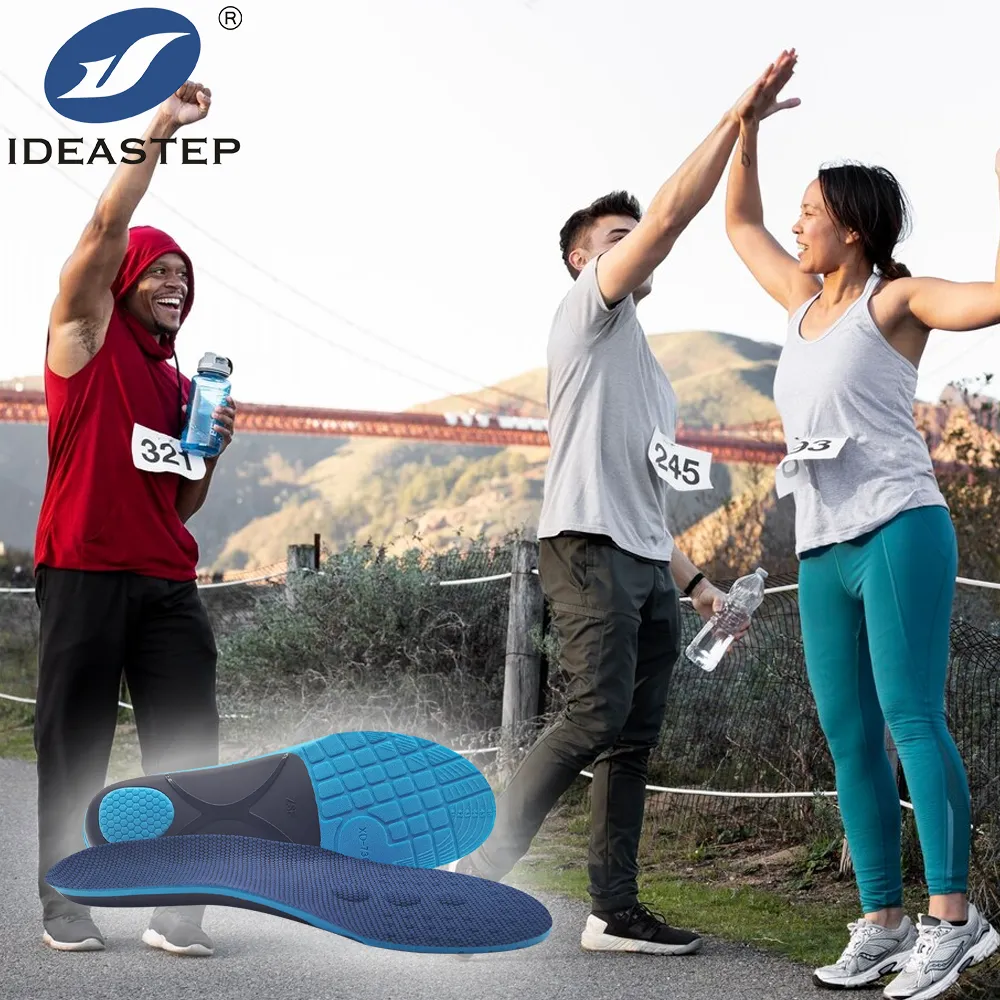
What Are Orthotic Insoles for Running?
Orthotic insoles for running are performance-oriented foot support systems designed to enhance biomechanics during dynamic movement. Unlike standard comfort insoles, they are engineered to improve stability, reduce impact stress, and enhance running efficiency.
Key functional benefits include:
- Supporting natural foot alignment during motion
- Reducing repetitive impact stress on joints
- Improving stride stability and control
- Enhancing overall running efficiency and comfort
| Feature | Standard Insoles | Running Orthotic Insoles |
|---|---|---|
| Purpose | Basic comfort | Performance enhancement |
| Support level | Minimal | Biomechanical support |
| Shock absorption | Moderate | Advanced impact protection |
| Target users | Daily wear | Runners & athletes |
Why Running Brands Are Investing in OEM Orthotic Insoles
Modern consumers expect running footwear to deliver more than aesthetics and cushioning. Performance, injury prevention, and long-term comfort are now key purchasing factors. As a result, insoles have become an essential part of product innovation strategies.
Stronger Product Differentiation
Integrating performance orthotic insoles allows brands to position their footwear as a complete biomechanical system rather than a standalone product.
Improved Athlete Experience
Properly designed running insoles help reduce fatigue, improve stability, and enhance overall running performance across different distances and terrains.
Higher Product Value
Performance-enhancing insoles support premium pricing strategies and increase perceived product value in highly competitive markets.
Expanded Product Ecosystem
OEM insoles enable brands to build complete product ecosystems, including:
- Running shoes + performance insoles
- Training and recovery bundles
- Long-distance running kits
Core Design Principles of Running Orthotic Insoles
High-performance running insoles are developed based on biomechanics, impact control, and energy optimization. Each design element contributes to improved running efficiency and injury prevention.
Dynamic Arch Support System
A well-designed arch support system helps maintain foot alignment during repetitive motion, reducing excessive strain on muscles and joints.
Advanced Shock Absorption
Multi-layer cushioning structures help absorb ground impact forces, protecting knees, ankles, and hips during running activities.
Energy Return Optimization
Performance materials can help convert impact energy into forward propulsion, improving running efficiency and reducing fatigue over long distances.
Motion Stability Control
Stability features help runners maintain consistent gait patterns, especially for overpronation correction and long-distance running performance.
Materials Used in OEM Running Orthotic Insoles
Material selection directly affects performance, durability, and comfort. Most OEM running insoles use a combination of materials to achieve a balance between cushioning and support.
EVA (Ethylene Vinyl Acetate)
EVA is widely used in entry-level and training insoles due to its lightweight and cost-effective properties.
- Lightweight and flexible structure
- Good shock absorption performance
- Suitable for mass production and general use
PU (Polyurethane)
PU offers enhanced durability and long-lasting cushioning, making it suitable for frequent runners and training applications.
- High shock absorption capability
- Long-term comfort performance
- Stable structure under repeated pressure
TPU (Thermoplastic Polyurethane)
TPU is commonly used in performance-grade insoles where structural support and responsiveness are required.
- High resilience and flexibility
- Strong structural support
- Excellent durability for athletic use
Carbon Fiber
Carbon fiber is used in premium racing insoles where lightweight structure and maximum energy return are critical.
- Ultra-lightweight performance material
- High rigidity for propulsion efficiency
- Elite-level athletic support
Types of OEM Running Orthotic Insoles
Training Insoles
Designed for daily running and general athletic training, focusing on comfort and injury prevention.
Long-Distance Running Insoles
Built for endurance athletes and marathon runners, emphasizing fatigue reduction and stability over extended distances.
Performance Racing Insoles
Designed for competitive runners requiring maximum energy return and minimal weight.
Trail Running Insoles
Developed for off-road and uneven terrain, offering enhanced stability and impact protection.
Why Running Brands Choose OEM Manufacturing
OEM manufacturing allows running brands to focus on design, marketing, and brand positioning while relying on specialized manufacturers for technical production.
Faster Product Launch Cycles
Brands can introduce new performance products quickly without investing in production infrastructure.
Reduced R&D Investment
OEM partnerships eliminate the need for internal engineering teams while maintaining access to advanced design capabilities.
Stronger Market Positioning
Performance insoles help brands stand out in a crowded sports footwear market by offering added functional value.
Scalable Growth Strategy
OEM solutions allow brands to expand product lines across multiple performance categories efficiently.
Customization Options for OEM Running Insoles
Private Label Branding
- Logo application and embossing
- Custom retail packaging
- Brand-specific labeling systems
Functional Customization
- Arch height adjustment
- Cushion density optimization
- Material combination engineering
- Support structure customization
Visual Customization
- Color variations and design styling
- Surface material selection
- Breathability and ventilation design
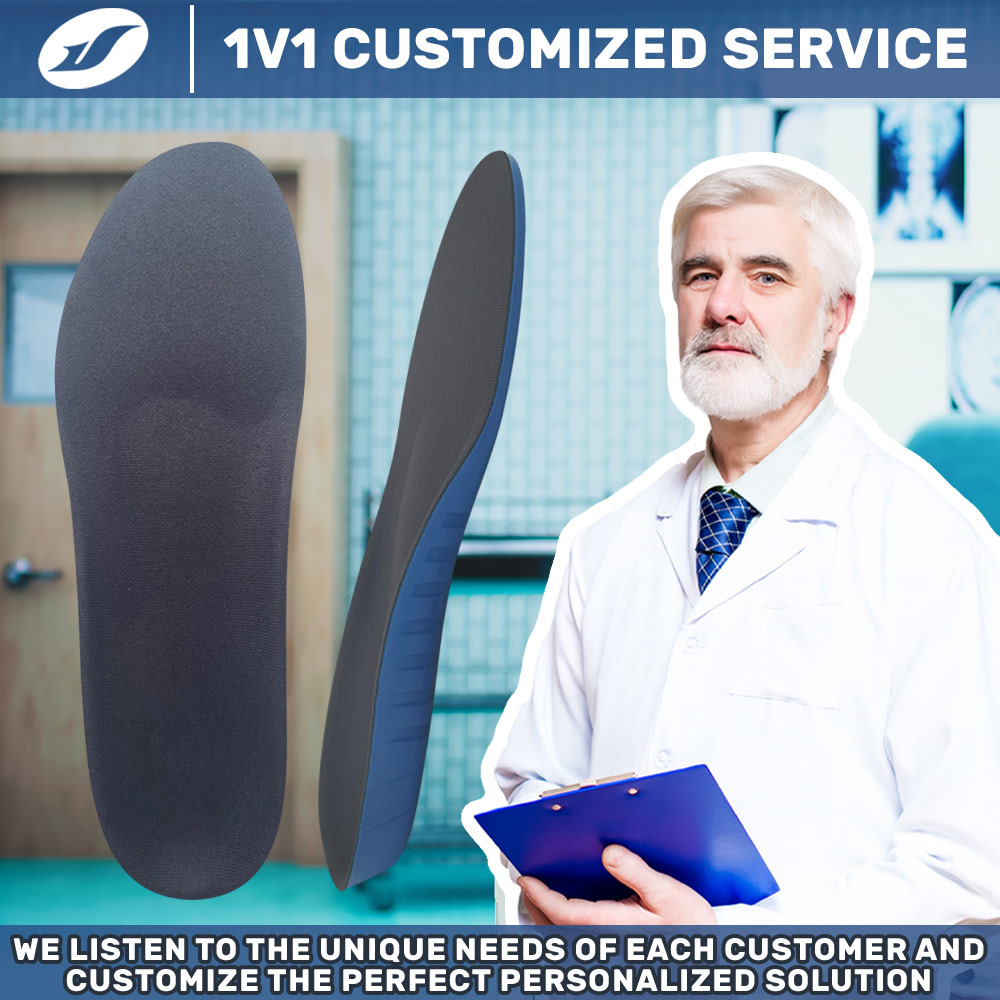
OEM Manufacturing Process
Step 1: Requirement Analysis
Define target user groups, performance goals, and product positioning strategy.
Step 2: Product Design
CAD-based structural design supported by biomechanical analysis.
Step 3: Prototype Development
Sample testing for cushioning performance, stability, and energy return.
Step 4: Production Setup
Mold creation, packaging finalization, and quality control system establishment.
Step 5: Mass Production
Stable manufacturing with strict quality control and global delivery support.
How to Choose a Reliable Orthotic Insole OEM Manufacturer
Sports Industry Experience
Manufacturers should have proven experience working with running brands and athletic product companies.
R&D and Engineering Capability
- Biomechanical design expertise
- Material engineering knowledge
- Performance testing systems
Quality Certifications
Common standards include ISO 9001 and CE compliance depending on target markets.
Production Capacity and Stability
- Flexible MOQ options
- Stable lead times
- Large-scale production capability
Industry Trends in Running Insoles
The sports footwear industry is shifting toward integrated performance systems that combine footwear and insoles into unified solutions.
- 3D foot scanning for precision customization
- AI-driven gait and motion analysis
- Data-based performance optimization
- Increased adoption of carbon fiber materials
This trend reflects the growing demand for science-based, performance-driven athletic products.
Conclusion
OEM orthotic insoles for running brands offer a strategic opportunity to enhance product performance, strengthen brand positioning, and increase customer satisfaction in a highly competitive market.
With the right materials, engineering design, and manufacturing partner, brands can develop high-performance insole solutions that deliver measurable value to runners of all levels.
Looking for a Reliable OEM Orthotic Insole Manufacturer for Your Running Brand?
We provide OEM and ODM manufacturing solutions for running brands, sports companies, and private label clients, including custom performance insoles, material development, and global production support.