Basketball involves frequent jumping, landing, sprinting, and changes of direction. These movements place repeated loads on the foot, making insole construction an important consideration for sports footwear.
For wholesale buyers, sourcing carbon fiber insoles for basketball requires more than selecting a carbon fiber material. Plate stiffness, cushioning, thickness, fit, durability, and manufacturing consistency all need to be considered.
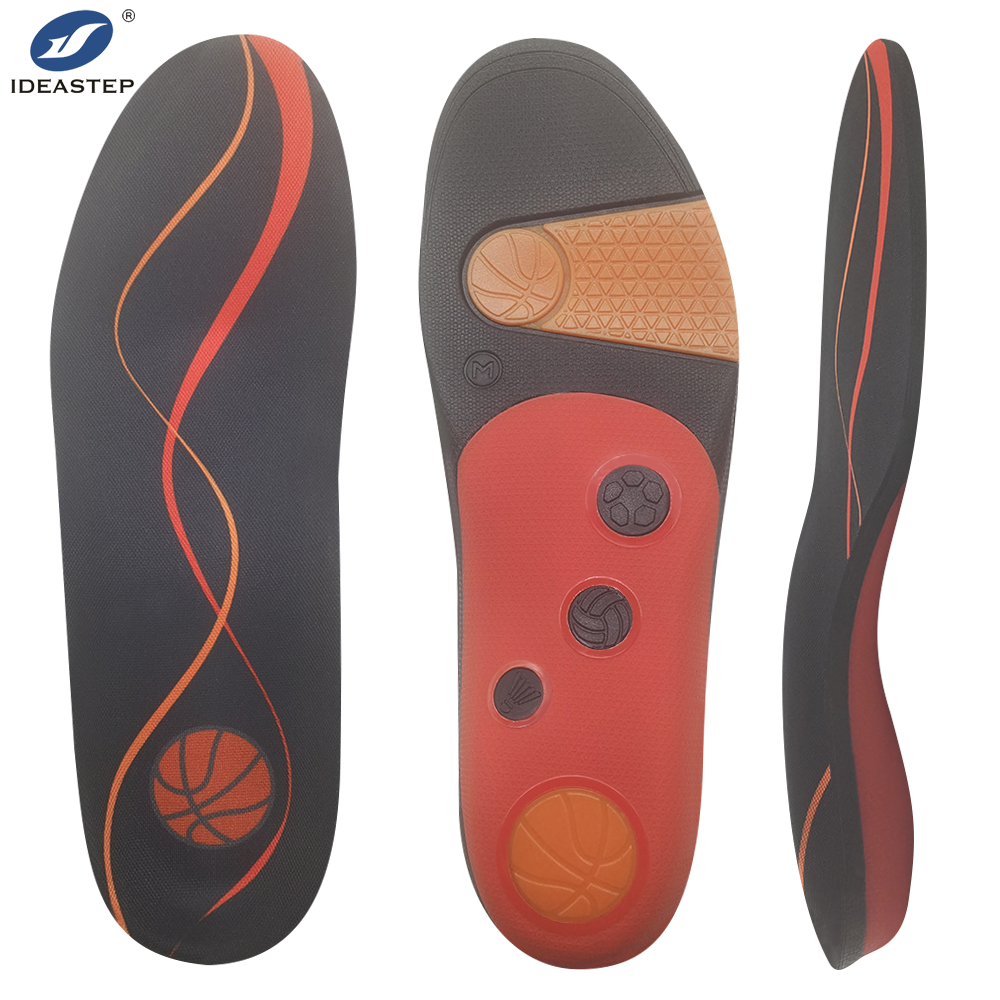
Why Use Carbon Fiber in Basketball Insoles?
Carbon fiber is known for its high stiffness-to-weight ratio. In an insole, it can serve as a structural layer to control flex without adding excessive bulk.
Carbon fiber is usually combined with materials such as EVA, PU, or other foams rather than used as a complete insole. The final characteristics depend on the carbon fiber thickness, shape, coverage, and the materials surrounding it.
Key Insole Construction
Carbon Fiber Plate
The carbon fiber plate has a direct influence on the structure of the insole. Buyers should confirm:
- Carbon fiber type and construction
- Plate thickness and stiffness
- Coverage and shape
- Edge finishing
- Dimensional consistency
Full-length and partial-length plates offer different flex characteristics, so the design should match the target footwear.
Cushioning Layer
Carbon fiber provides structure, but cushioning comes from the foam layers.
EVA, PU, and other foams can be used above or below the carbon fiber layer. Material selection should take into account the desired cushioning, thickness, weight, and target cost.
Heel and forefoot cushioning can also be adjusted according to the product design.
Top Cover
The top cover affects the foot-contact feel and surface durability. Common choices include mesh, polyester, microfiber, and other textile materials.
For private label products, the top cover can also be customized with colors, patterns, and logos.
Design Options for Basketball Insoles
Different basketball products may require different insole constructions. The carbon fiber coverage, foam density, arch profile, and overall thickness can all be adjusted.
Common customization options include:
- Heel cup depth
- Arch profile
- Forefoot thickness
- Carbon fiber coverage
- Foam density
- Top-cover material
- Overall insole thickness
This allows manufacturers to develop different constructions for different footwear models and price levels.
Weight, Thickness, and Flexibility
Weight, thickness, and flexibility should be evaluated as a complete system.
Increasing carbon fiber thickness can change stiffness, while adding foam affects both weight and cushioning. For basketball shoes with limited internal space, excessive insole thickness may also affect fit.
Wholesale buyers should define target weight, thickness, and flex requirements before sampling and then verify them through physical testing.
Durability Testing
Samples should be tested before bulk production. Useful quality checks include:
- Repeated bending
- Compression and recovery
- Layer bonding strength
- Carbon fiber edge inspection
- Dimensional consistency
- Top-cover wear
Testing requirements should be agreed upon before production so that the approved sample and bulk orders follow the same standard.
Fit and Basketball Shoe Compatibility
The insole should be tested inside the intended basketball shoe, not only evaluated as a standalone product.
Key dimensions include:
- Length and width
- Heel cup shape
- Arch height
- Forefoot profile
- Overall thickness
- Edge shape
A good fit is especially important when the shoe has limited internal volume.
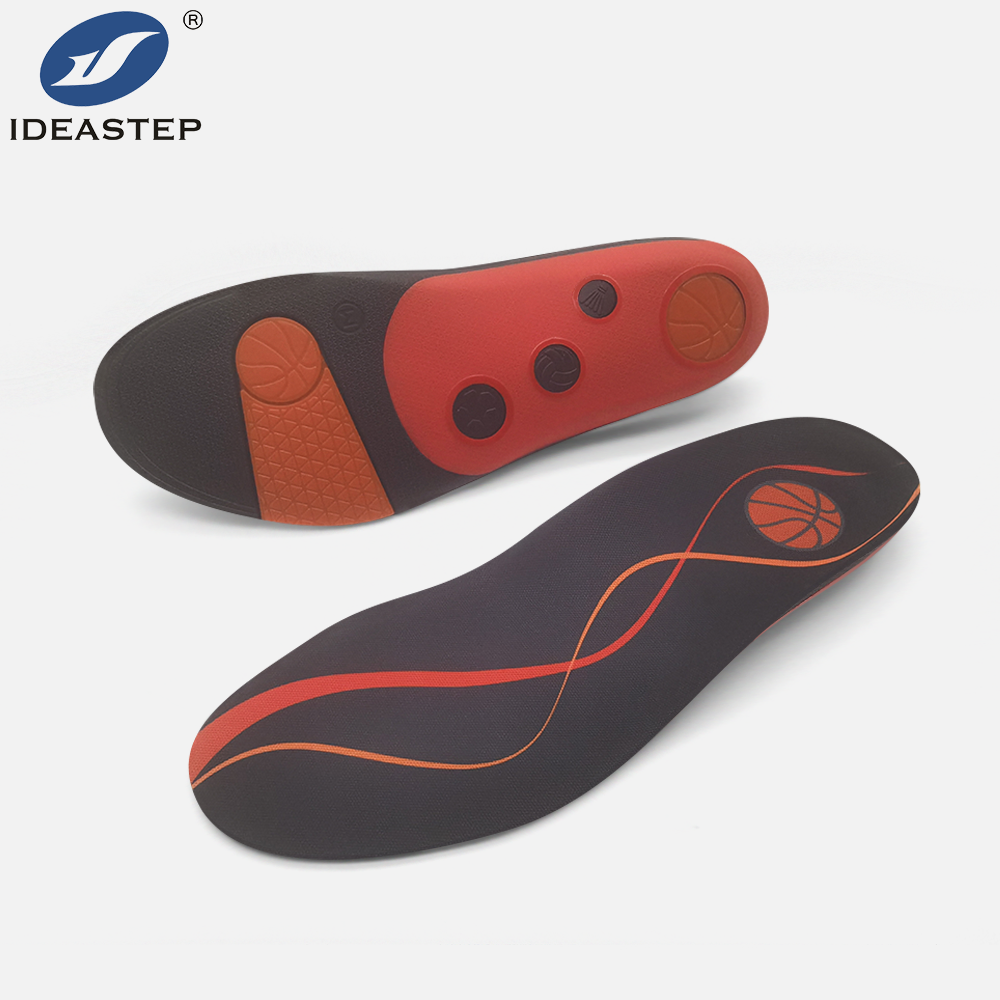
OEM and Private Label
Carbon fiber basketball insoles can be developed for OEM and private label programs. Depending on the supplier’s capabilities, customization may cover:
- Carbon fiber structure
- Foam materials
- Top-cover materials
- Logo application
- Colors
- Size grading
- Packaging
When requesting samples, provide the target shoe model, size range, material requirements, expected order quantity, and packaging specifications.
How to Evaluate a Carbon Fiber Insole Supplier
For wholesale sourcing, evaluate the supplier across materials, production, quality control, and customization rather than price alone.
| Area | What to Check |
|---|---|
| Materials | Carbon fiber, foam, fabric, and adhesive specifications |
| Construction | Layer structure, plate shape, and thickness |
| Customization | Materials, colors, logos, and structural changes |
| Quality Control | Material inspection and finished-product checks |
| Sampling | Development process and sample revisions |
| Production | Capacity, lead time, and batch consistency |
| Packaging | Standard and private label options |
A supplier with experience in both material selection and insole manufacturing can simplify product development and production control.
Before Placing a Bulk Order
Confirm these specifications before production:
- Carbon fiber structure and thickness
- Foam type and density
- Size range and dimensions
- Top-cover material
- Logo and packaging requirements
- MOQ and lead time
- Quality standards
- Sample approval
Clear specifications help keep the approved sample consistent with subsequent production batches.
Final Considerations
Sourcing carbon fiber insoles for basketball requires attention to the complete construction, not just the carbon fiber component. Stiffness, cushioning, thickness, weight, fit, and durability should be considered together.
For wholesale, OEM, or private label projects, please contact our team with your target specifications and sample requirements.
Recommended Reading:
Are basketball insoles good for basketball?
Sports Insoles for Basketball with Maximum Cushioning: A Buying Guide