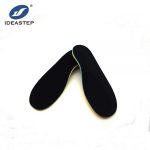
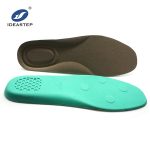
Insole brands and podiatry clinics often need orthotic products tailored to their specifications, target markets, and supply requirements. Branded orthotic fabrication covers more than logos and packaging. It involves product design, material selection, construction, sample approval, and consistent manufacturing.
For B2B buyers, a capable OEM partner should be able to turn product requirements into a clear specification and support the process from sampling to repeat orders.

1. Branded Orthotic Fabrication: OEM, ODM, and Private Label
Branded orthotic fabrication allows businesses to develop or customize insole products under their own brand. The scope may include materials, dimensions, support structures, surface fabrics, logos, and packaging.
Choosing the Right Manufacturing Model
OEM manufacturing follows the buyer’s product specifications. ODM projects may use an existing design as a starting point or involve further product development. Private-label arrangements allow buyers to market products under their own brand.
The right approach depends on the buyer’s design resources, customization needs, and target market.
From Specifications to Production
A typical project begins with technical drawings, reference samples, or a product brief. The manufacturer reviews the requirements, develops samples, and confirms the final specifications before production. Clear documentation helps prevent misunderstandings and keeps future orders aligned with the approved design.
2. Custom Orthotics for Insole Brands
Insole brands need products that fit their market positioning while remaining practical to manufacture and supply. Construction, material costs, branding, and order quantities should be considered together.
Product Design and Material Selection
Depending on the intended construction, manufacturers may use EVA, polyurethane (PU), thermoplastic components, and other suitable materials. Selection depends on the required flexibility, cushioning, structural support, processing method, and target cost.
Multi-layer designs may combine a base material, structural component, and top cover. Material compatibility and bonding performance should be checked during development to ensure the construction meets the product specification.
Logo, Packaging, and Private-Label Options
Customization may include printed logos, colors, surface fabrics, size markings, labels, and retail packaging. Buyers should confirm artwork, logo placement, and packaging specifications before production to avoid unnecessary revisions.
Cost Control and Repeat Orders
Material selection, construction complexity, order quantity, and packaging all affect unit cost. For repeat orders, retaining approved samples and written specifications helps maintain consistency and reduces the need to repeat the development process.
3. Custom Orthotics for Podiatry Clinics
Podiatry clinics may source orthotic products according to their service workflows, product specifications, and purchasing needs. A manufacturer can help translate these requirements into a defined product for production and supply.
Product Specifications and Intended Applications
Clinics can provide reference samples, dimensions, material preferences, and intended applications to guide product development. These details help the manufacturer assess construction options and identify technical questions before sampling.
Manufacturing specifications should be distinguished from clinical assessment. Product fabrication alone does not establish whether an insole is appropriate for an individual patient.
Construction, Sizes, and Product Standardization
Flexible and semi-rigid constructions have different structural characteristics. The appropriate design depends on the product requirements, materials, and footwear compatibility.
A consistent size system, documented dimensions, and clearly identified product models also help clinics and distributors manage inventory and reorder the correct products.
4. Materials and Fabrication Methods
Material selection and fabrication methods should match the product design, intended application, and production requirements. No single material or construction suits every orthotic insole.
EVA, PU, and Thermoplastic Components
EVA is commonly used in lightweight insole constructions, while PU may be selected for particular cushioning or structural requirements. Suitable thermoplastic components can provide defined structural features in designs that require them.
Actual performance depends on material grade, thickness, construction, and processing conditions. Materials should be evaluated against the finished product’s specifications rather than selected by name alone.
Multi-Layer Construction and Surface Materials
Custom insoles may combine cushioning layers, structural components, and top-cover fabrics. The choice of materials affects thickness, flexibility, appearance, and manufacturing complexity.
Bonding compatibility, dimensional stability, and surface finish should be assessed during development, especially when different materials are combined.
Selecting the Fabrication Process
Depending on the design, manufacturing may involve cutting, molding, lamination, forming, trimming, and finishing. The process should account for material properties, product geometry, dimensional requirements, and order volume.
Prototype reviews can identify manufacturing limitations before the design moves into bulk production.
5. The Custom Orthotic Development Process
A defined development process helps buyers and manufacturers agree on the product before committing to a production order.
Specification Review and Sampling
The manufacturer reviews drawings or reference samples alongside dimensions, materials, construction details, branding, packaging, and expected order quantities. Initial samples are then used to assess the construction, dimensions, surface finish, and fit within the intended footwear where applicable.
Design Revisions and Sample Approval
Changes may involve material thickness, support components, surface fabrics, dimensions, or logo placement. Each revision should be documented so that both parties can track the changes.
Before production, the buyer should approve a final sample and confirm the corresponding specifications, including materials, dimensions, construction, appearance, and inspection criteria.
Production Planning
Once the sample is approved, both parties should confirm the order quantity, MOQ, lead time, packaging, and quality requirements. Any changes to the approved design should be reviewed before implementation.
6. Quality Control in Orthotic Manufacturing
Consistent quality depends on clear specifications, suitable inspection procedures, and control of the manufacturing process.
Material and Dimensional Checks
Inspection may cover incoming materials, product length and width, thickness, structural features, and surface appearance. Measurement methods and acceptable tolerances should be agreed upon before production.
Bonding and Finishing
For multi-layer insoles, checks may include bonding, edge finishing, surface defects, and structural integrity. Inspection requirements should reflect the materials and construction of the specific product.
Production Consistency and Records
The approved sample and written specification provide a reference for bulk production. Inspection records and documented changes help identify deviations and support repeat orders that follow the agreed requirements.
7. Bulk Supply, MOQ, and Private-Label Support
For B2B buyers, the commercial side of an OEM project is as important as the product design. MOQ, lead time, packaging, and production planning should be confirmed early.
MOQ and Lead Time
Minimum order quantities and production schedules depend on material availability, design complexity, production setup, order volume, and packaging requirements. Buyers should provide complete specifications to obtain a quotation based on the actual project.
Packaging and Brand Requirements
Private-label orders may require custom boxes, labels, barcodes, size markings, or specific carton configurations. Artwork and packaging details should be approved before production to reduce the risk of delays or rework.
Repeat Orders and Supply Planning
Sharing demand forecasts and expected purchasing frequency helps manufacturers plan materials and production capacity. Retaining approved specifications also makes it easier to manage replenishment and maintain consistency across orders.
8. Choosing a Branded Orthotic Fabrication Partner
When evaluating a manufacturer, buyers should consider product development, quality procedures, communication, and the ability to support ongoing supply.
- Customization capabilities: Confirm that the manufacturer can work with the required materials, dimensions, construction, and branding.
- Sampling and quality control: Ask how samples are reviewed, revisions are recorded, and approved specifications are applied to production.
- Manufacturing and supply planning: Discuss production capacity, MOQ, lead times, and procedures for managing repeat orders.
- Technical communication: Check whether drawings, material details, inspection criteria, and design changes can be documented clearly.
A well-defined development and production process helps reduce misunderstandings and supports a more predictable supply relationship.
9. Frequently Asked Questions About Branded Orthotic Fabrication
What Is the Difference Between OEM and Private-Label Orthotic Insoles?
OEM manufacturing follows the buyer’s product specifications, while private-label arrangements focus on selling products under the buyer’s brand. A project may combine both approaches.
Can Orthotic Insoles Be Customized for Podiatry Clinics?
Yes. Customization can be discussed using the clinic’s product specifications, reference samples, size requirements, materials, and intended applications. Suitability for individual patients remains a matter of appropriate clinical assessment.
What Information Is Needed for an OEM Quotation?
Provide drawings or reference samples, dimensions, material preferences, construction details, estimated order quantity, logo artwork, and packaging requirements. These details help the manufacturer assess feasibility, pricing, and lead time.
What Affects MOQ and Lead Time?
MOQ and lead time depend on material availability, design complexity, production setup, order quantity, and packaging. The manufacturer can provide a more relevant estimate after reviewing the project specifications.
How Can Buyers Maintain Consistent Quality Across Orders?
Approve a final sample, document product specifications, agree on inspection criteria, and review any changes before production. Relevant inspection and production records also help manage repeat orders.
10. Discuss Your Custom Orthotic Insole Project with Ideastep
Branded orthotic fabrication combines product design, material selection, manufacturing control, and brand customization. A clear specification and approved sample provide a practical starting point for developing a custom product and planning ongoing supply.
Ideastep works with B2B customers exploring custom insole products and manufacturing solutions. To discuss an OEM or private-label project, prepare your drawings or reference samples, target sizes, material requirements, estimated order quantity, and branding specifications.
Visit the Ideastep contact page to discuss customization options, sample development, MOQ, and bulk supply requirements.
Related Reading: How Sole Support Custom Orthotics Add Value To Your Insole Product Line.