The performance, patient feedback and long-term profitability of your orthotic line hinge heavily on thoughtful insole material selection. Many orthotic insole manufacturers and brand teams focus first on unit cost, only to run into avoidable issues later: premature collapse, patient complaints about pressure points, inconsistent thermoforming results, or compliance hold-ups when shipping to regulated markets. Material choice is never a single-component decision. It comes down to building a balanced material stack that matches your product’s intended function, price tier and end user group. This guide draws on hands-on production experience to help you evaluate options and pick the right combination for your catalog.
Core Orthotic Insole Materials, Their Properties and Best Use Cases
Each raw material brings distinct mechanical and tactile traits. Understanding these differences helps you avoid mismatches between design goals and real-world performance.
TPU Support Components
TPU support components deliver rigid, dimensionally stable correction. They resist creep and hold their shape through long-term daily wear, making them ideal for prescription orthotics targeting severe overpronation, high arch correction and post-surgical rehabilitation. The main trade-off is firmness. TPU shells almost always require paired cushion layers to eliminate sharp pressure points. This material is widely adopted for 3D printed orthotic inserts and high-grade custom orthotics ordered through podiatry clinics.
EVA Foam
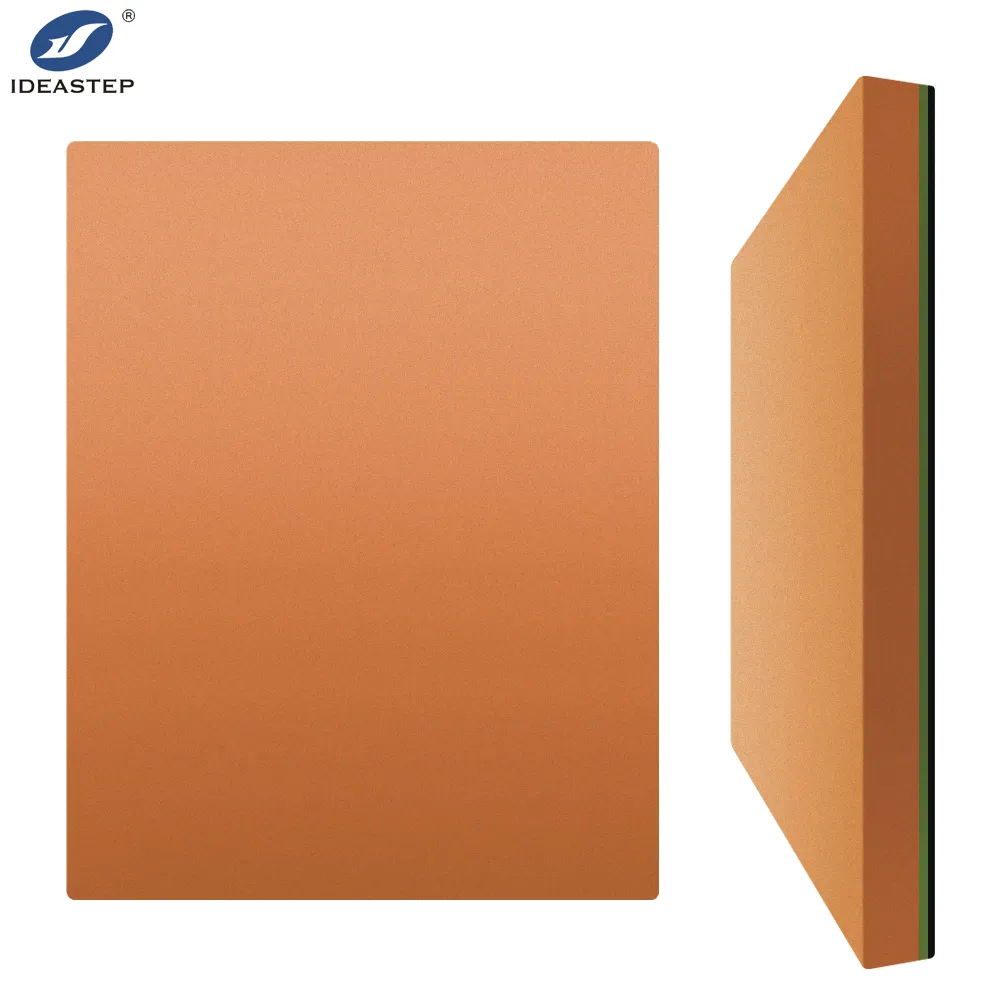
EVA remains the workhorse foam for orthotic production, available across a wide density spectrum. Low-density EVA offers soft cushioning for comfort-focused insoles. Mid-density grades strike a balance between support and flexibility. High-density, thermoformable EVA is the foundation for heat moldable insoles, allowing practitioners to reshape the insole with heat to match a patient’s foot geometry. For large volume runs of wholesale orthotic insoles, EVA provides reliable performance while keeping production costs manageable.
PU Foam and Memory Foam
PU and memory foam distribute pressure gently, which works well for comfort lines and diabetic foot applications where peak pressure reduction is a priority. It is important to set clear expectations with your channel partners: softer foam tends to compress over time, so these materials are rarely suitable as the primary support layer for corrective orthotics. Hydrolysis resistance is another key specification to review if your products will be sold in humid climates.
Top Cover Fabrics
The top cover is the layer in direct contact with skin, so it cannot be treated as an afterthought. Options include moisture-wicking knit, anti-microbial coatings, non-slip textured surfaces and soft, low-shear fabrics for sensitive feet such as diabetic patients. For North American and European markets, confirm skin-contact test records for your chosen fabric, as missing documentation can delay shipments or create liability for your brand.
Material Stack Recommendations By Orthotic Product Type
The most efficient way to structure your lineup is to lock in repeatable material stacks for each SKU family. These combinations are proven for B2B programs we support through our custom orthotic OEM service.
- Prefabricated wholesale insoles: High-density EVA base plus breathable top cover. Balances support, cost and consistency for retail and clinic bulk orders.
- Heat moldable insoles: Thermo-grade EVA core, paired with a thin cushioned top layer, built for in-clinic fitting adjustments.
- 3D printed custom orthotics: TPU structural shell combined with bonded EVA or PU cushioning layers, made to individual scan or cast data.
- Private label prescription orthotics: Fully customisable stack. We adjust rigidity, cushion thickness and cover material based on your brand’s target price point and clinical use cases.
Five Critical Evaluation Criteria For Material Sourcing
Before finalising a material specification for mass production, assess these five factors together.
First, mechanical performance. Pay close attention to compression set, flex fatigue and stiffness. A material that feels supportive in the sample stage may flatten quickly under regular load.
Second, physical handling. Check weight, minimum bend radius and operating temperature range. This matters especially for thermoformable products and orthotics designed for athletic footwear.
Third, regulatory and safety compliance. Confirm material certificates, test reports and traceability. Materials used in orthotic devices may fall under medical device rules depending on your destination market.
Fourth, manufacturability. Confirm the material works with your production process, whether that is CNC milling, 3D printing, vacuum thermoforming, die cutting or laser marking.
Fifth, supply chain reliability. Verify batch-to-batch consistency, minimum order quantities and lead times. A change in raw material supplier without revalidation can create large-scale quality issues for your reseller network.
Material Selection Tailored To End User Profiles
The patient population your buyers serve should guide your material stack decision.
For general users with mild foot fatigue, mid-density EVA composites offer a safe, marketable balance of comfort and basic arch support.
For athletes, prioritise lightweight, tear-resistant and fast-recovery foams that hold up during repeated high-impact movement.
For diabetic patients or users with reduced foot sensation, low-shear, seamless construction and anti-microbial covers are essential to minimise ulcer risk. Hard rigid shells are only used under strict professional prescription.
For post-operative care and severe biomechanical correction, rigid TPU support forms the core of the orthotic, with carefully graded cushioning to avoid pressure injury.
Common Material Selection Mistakes To Avoid
One frequent misstep is over-soft specification. Customers associate softness with comfort, but overly compliant materials cannot deliver meaningful arch correction. This drives high return rates from clinics.
Another error is using rigid support layers without adequate cushioning. The orthotic provides correction, yet patients stop wearing it due to persistent pressure discomfort.
Many brands also overlook environmental stability. Some foams degrade faster in warm, humid storage or daily use, changing feel before the end user even receives the product.
Lastly, do not assume samples represent bulk production. Always re-test finished goods from production runs, and document material grades so substitutions do not happen without your approval.
Work With Us To Validate Your Orthotic Material Stack
We support manufacturers and foot care brands through the material testing and sample validation phase. Our team can supply TPU, graded EVA foams and different top cover options for side-by-side evaluation. As part of our OEM workflow, we help you lock in a repeatable material stack aligned with your product roadmap, and provide supporting documentation for compliance checks. Whether you are launching a new private label range or refining an existing wholesale line, we can build samples and share performance feedback before full production.
Frequently Asked Questions
Should I choose TPU or high-density EVA for corrective orthotic support?
TPU delivers higher long-term rigidity for prescription-grade correction. High-density EVA works well for semi-rigid support and heat-moldable applications where controlled flexibility is preferred.
Do heat moldable insoles require a special grade of EVA?
Yes. Standard EVA will not hold a reliable custom shape after heating. Thermoform-specific grades are formulated to retain the adjusted geometry once cooled.
What material requirements apply to orthotics for diabetic foot care?
Low shear surfaces, seamless edges, pressure redistribution foams and anti-microbial covers are standard. Hard rigid components are only used under direct clinical prescription.
What test documents should I prepare for export to Europe or North America?
At minimum, skin contact safety reports, material composition certificates and batch traceability records. Additional documentation depends on whether your orthotics are classified as medical devices in your target market.
Can I offer two material versions of the same orthotic design for high and low pricing tiers?
Absolutely. Many of our brand partners create tiered lines by adjusting foam density, shell material and top cover fabric while keeping the same core orthotic geometry.
Related Reading: EVA Cushion Insole Factories Guide: From Material Selection to Bulk Production.