Footwear brands often require custom insoles to meet specific design, material, dimensional, and branding requirements. Standard insoles may not suit every shoe construction, particularly when a product requires a non-standard profile, multi-layer structure, specific hardness, or private-label details.
For footwear manufacturers and B2B buyers, successful customization depends on clear specifications, material compatibility, sample approval, and consistent mass production. This guide covers the key considerations when developing custom shoe insoles, from initial design review to bulk supply.
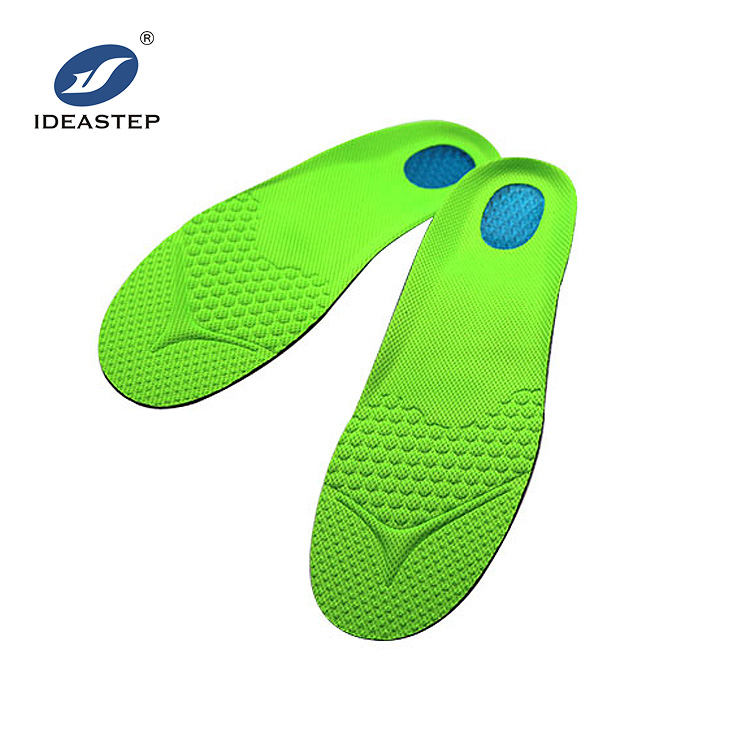
Why Footwear Brands Choose Custom Shoe Insoles
Different footwear categories impose different requirements on insole dimensions, thickness, materials, and construction. Custom development allows brands to align these specifications with the shoe design, target price, and production plan.
Matching Insole Dimensions to Footwear Design
Insole length, width, heel contour, toe profile, and overall thickness must match the available space inside the shoe. The shoe last and internal construction should be reviewed before the design is finalized.
Brands can provide an existing insole, shoe last, technical drawing, or dimensional specification as a reference. These materials help manufacturers assess fit and identify necessary adjustments before sampling.
Meeting Specialized Product Requirements
Custom projects may involve non-standard sizes, specific hardness levels, layered materials, reinforced areas, unique surface fabrics, or branded finishes. Defining these requirements at the start helps manufacturers evaluate feasibility, material availability, and production costs.
Supporting Product Differentiation
Custom materials, surface textures, colors, logos, and construction details allow footwear brands to maintain consistency across product lines. These elements should be considered alongside manufacturing complexity and target unit cost.
Key Specifications for Custom Shoe Insoles
A detailed product specification gives the buyer and manufacturer a common reference for quotation, sampling, inspection, and repeat orders.
Size, Shape, and Shoe Compatibility
Specifications should cover length, width, thickness, heel shape, forefoot contour, and any required arch or support features. For multi-size projects, provide a size chart and identify differences between each model or size range.
Where possible, confirm the design against the actual shoe last or footwear sample. This helps reduce fitting issues caused by differences in internal shoe dimensions.
Thickness, Hardness, and Construction
Thickness and hardness affect the insole’s structure and its compatibility with the shoe. Brands should specify target dimensions, material hardness where applicable, and the required construction, including any heel cups, support elements, or reinforced sections.
These requirements should be reviewed against the available shoe space and manufacturing process before the sample is approved.
Surface Materials and Branding
Common top-cover options include textile, mesh, velvet, and leather, depending on the product design and budget. Buyers should confirm colors, surface texture, printing, logo placement, and edge finishing.
For private-label orders, approved artwork, labels, and packaging specifications should be finalized before bulk production.
Special Performance Requirements
Depending on the application, brands may specify cushioning, rebound, breathability, abrasion resistance, slip resistance, or arch-support features. These requirements should be defined in measurable terms where applicable.
Performance depends on the material grade, construction, and manufacturing process. Where specific performance levels are required, agree on suitable test methods and acceptance criteria before production.
Material Selection for Custom Shoe Insoles
Material selection affects weight, thickness, flexibility, durability, processing requirements, and cost. The choice should reflect the footwear design, technical specifications, and expected order volume.
EVA for Lightweight Insole Construction
Ethylene-vinyl acetate (EVA) is widely used in footwear components and is available in different densities and hardness levels. It can suit designs that require lightweight construction and controlled cushioning characteristics.
When specifying EVA, buyers should confirm density, hardness, thickness, and the intended manufacturing process. These factors influence the suitability of the material for the finished design.
PU for Customized Insole Structures
Polyurethane (PU) is used in various insole constructions, with properties that depend on its formulation, density, and production method. Buyers should evaluate the actual material grade against the required dimensions, firmness, surface finish, and cost target.
TPU, Gel, and Composite Materials
TPU, gel components, and other materials may be incorporated into specific designs for localized support, structural reinforcement, or cushioning features. Their suitability depends on the intended function and the complete insole construction.
For multi-material designs, manufacturers should assess bonding compatibility, flexibility, thickness, and processing requirements before sampling.
Top Covers and Multi-Layer Construction
Custom insoles may combine a surface fabric, cushioning layer, structural base, and additional support components. Each layer should meet the design requirements without creating unnecessary thickness or manufacturing complexity.
Material combinations should be reviewed for bonding strength, edge finishing, dimensional stability, and production consistency.
Balancing Material Requirements and Cost
Material selection should account for unit cost, availability, minimum purchasing quantities, and supply stability. Where alternative materials are considered, buyers should review their impact on the approved specifications before making changes.
Custom Insoles for Different Footwear Categories
Insole specifications should reflect the intended footwear category and its construction requirements. Defining the application helps manufacturers recommend suitable materials and production methods.
Sports Shoes and Training Footwear
Sports footwear projects may require specific combinations of thickness, flexibility, cushioning, and rebound characteristics. These requirements should be evaluated alongside the shoe’s internal structure and intended use.
Brands should identify any measurable performance targets and confirm the appropriate evaluation methods during product development.
Work Shoes and Safety Footwear
Work footwear projects may prioritize durability, dimensional stability, material resistance, and compatibility with the shoe construction. For safety footwear, customized components must also be reviewed against the applicable footwear requirements.
Any change to the insole should be assessed to ensure it does not conflict with relevant product specifications or safety approvals.
Casual Shoes and Everyday Footwear
Casual footwear often requires a balance between profile thickness, material selection, appearance, and target cost. Surface fabrics, colors, printed graphics, and finishing details can be customized to match the footwear collection.
Outdoor and Specialized Footwear
Outdoor and specialized footwear may require materials and constructions suited to particular environmental conditions. Depending on the application, buyers may need to specify abrasion resistance, moisture-related requirements, temperature conditions, or structural support.
These requirements should be confirmed before material selection and sample development.

OEM, ODM, and Private Label Shoe Insole Manufacturing
The appropriate cooperation model depends on the buyer’s design readiness, development requirements, and branding plans.
OEM Manufacturing Based on Buyer Specifications
Under an OEM arrangement, the buyer provides the design, drawings, samples, or technical specifications, and the manufacturer produces the insoles according to the approved requirements.
This model suits brands with established product designs that need manufacturing support. Accurate documentation is essential for sample approval and repeat production.
ODM Product Development
ODM projects may include manufacturer input on material selection, construction, design adjustments, and sample development. The scope of support depends on the supplier’s capabilities and the project agreement.
Before development begins, buyers should confirm which specifications are fixed, which elements can be adjusted, and how revisions will be approved.
Private Label Insoles and Packaging
Private-label customization may include logos, printed surfaces, labels, colors, and packaging, depending on the manufacturer’s capabilities and order requirements.
Buyers should provide approved artwork and confirm placement, dimensions, colors, and packaging details during sample development to avoid discrepancies in bulk orders.
Selecting the Right Cooperation Model
OEM is suitable when the buyer has defined product specifications. ODM may be appropriate when development support is required, while private labeling focuses on brand presentation and can be combined with either model.
Selection should be based on design readiness, customization scope, development resources, order quantity, and production schedule.
Custom Insole Development and Production Process
A defined development process helps reduce specification errors, unnecessary revisions, and inconsistencies between approved samples and bulk orders.
Step 1: Review Product Specifications
The buyer provides the footwear category, dimensions, material requirements, thickness, hardness, construction details, branding requirements, target quantity, and delivery expectations.
Useful references include technical drawings, shoe lasts, existing insole samples, size charts, and product images. Missing specifications should be identified before sampling begins.
Step 2: Evaluate Design and Materials
The manufacturer reviews the design for material compatibility, structural feasibility, production complexity, and cost. Potential issues involving shoe space, layer thickness, bonding, or finishing should be discussed before sample preparation.
Step 3: Develop and Inspect Samples
Samples are used to evaluate dimensions, fit, construction, appearance, material selection, and specified performance requirements. Any discrepancies should be documented and addressed before approval.
Step 4: Confirm the Final Sample
Required revisions may involve dimensions, hardness, material combinations, logo placement, or finishing. Once approved, the final sample and technical specifications should be retained as the reference for mass production.
Subsequent changes should be reviewed and documented to ensure that production follows the correct version.
Step 5: Arrange Bulk Production
Before production, both parties should confirm order quantity, materials, approved specifications, packaging, inspection criteria, and delivery schedule.
Production checks should focus on the critical characteristics agreed during development. Clear records also support issue investigation and repeat orders.
Quality Control for Custom Shoe Insole Manufacturing
Quality control should cover materials, dimensional accuracy, construction, finishing, and consistency between production batches. Inspection criteria need to be established before mass production.
Dimensional and Structural Checks
Length, width, thickness, contour, and other critical dimensions should be checked against the approved specifications. Projects involving complex shapes or multiple layers may also require checks for alignment and structural consistency.
Buyers should confirm acceptable tolerances for critical dimensions before production begins.
Material and Bonding Inspection
Material checks may cover appearance, thickness, hardness, and other agreed characteristics. For multi-layer insoles, inspection may also include bonding, edge separation, surface defects, and finishing quality.
Inspection methods should reflect the materials and construction used in the product.
Performance Verification
Where the specification includes measurable properties such as rebound or abrasion resistance, the buyer and manufacturer should agree on relevant test methods and acceptance criteria. Material names alone do not establish finished-product performance.
Sample-to-Production Consistency
The approved sample, technical specification, and material references should guide bulk production. Material substitutions and design changes should not be made without the required review and approval.
Retaining inspection results and production records helps identify variations and supports consistent repeat orders.
MOQ, Cost, and Lead Time for Custom Insoles
MOQ, pricing, and delivery schedules depend on the design, materials, order quantity, tooling requirements, and production arrangements. These factors should be discussed before the buyer confirms an order.
Factors Affecting Custom Insole Pricing
Quotation costs may include materials, tooling, processing, labor, printing, packaging, and inspection requirements. Complex structures or specialized finishes may require additional development work.
Providing complete specifications and separating essential features from optional details helps manufacturers prepare more accurate quotations.
Minimum Order Quantity and Order Planning
MOQ varies by manufacturer and project. Material purchasing requirements, production setup, tooling, and design complexity may affect the minimum quantity.
Buyers should consider initial demand, expected replenishment, and the possibility of standardizing materials or components across related products.
Sampling and Production Lead Time
The overall schedule may include specification review, sample preparation, revisions, approval, material sourcing, production, inspection, and shipping. Development time and mass-production lead time should be confirmed separately.
Late approvals and repeated design changes can affect delivery dates. A clear approval process helps keep the project on schedule.
Cost Optimization Without Unapproved Changes
Cost optimization may involve reviewing material alternatives, simplifying selected construction details, or standardizing components where technically appropriate.
Any proposed change should be evaluated against the approved specifications and confirmed by the buyer before implementation.
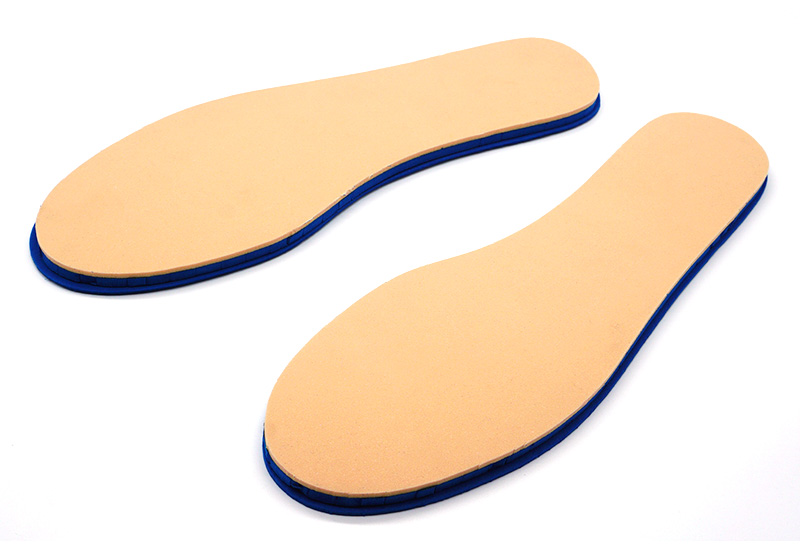
How to Choose a Custom Shoe Insole Manufacturer
A suitable manufacturing partner should be able to assess product requirements, manage sampling, maintain quality standards, and support the buyer’s production plan.
Assess Customization and Material Capabilities
Confirm whether the manufacturer can handle the required dimensions, materials, layered structures, branding details, and product categories. Clarify which processes are performed in-house and which rely on external suppliers.
Review Sampling and Quality Procedures
Ask how samples are developed, revisions are recorded, final specifications are approved, and finished products are inspected. These procedures are particularly important for projects with multiple sizes or complex constructions.
Confirm Production and Supply Capacity
Discuss MOQ, material availability, production scheduling, lead time, and repeat-order arrangements. For multi-model projects, confirm how specifications will be managed across different designs and sizes.
Verify Branding and Market Requirements
Confirm the manufacturer’s ability to support the required logos, labels, packaging, and product documentation. For regulated or safety-related footwear, clarify applicable requirements before production begins.
Frequently Asked Questions About Custom Shoe Insoles
What Information Is Required for a Custom Insole Quotation?
Provide the footwear category, dimensions, material preferences, thickness, construction details, branding requirements, target quantity, and delivery expectations. Drawings, shoe lasts, or existing samples can help the manufacturer assess feasibility.
Can Insoles Be Customized from an Existing Sample?
An existing sample can serve as a reference for dimensions, shape, materials, and construction. Buyers should identify which features must be retained and which can be modified.
How Should Buyers Select EVA, PU, or TPU?
The choice depends on the required construction, material properties, footwear application, and budget. Buyers should evaluate the actual material grade and test the proposed construction where specific performance requirements apply.
What Affects MOQ and Lead Time?
MOQ and lead time may depend on material sourcing, tooling, design complexity, production setup, order quantity, and packaging. Sample revisions and approval delays can also affect the schedule.
How Can Brands Maintain Consistent Quality Across Orders?
Maintain an approved sample, complete technical specifications, material references, dimensional tolerances, and inspection criteria. Review any proposed changes before production and retain records for future orders.
Can Custom Insoles Include Logos and Private-Label Packaging?
Depending on the manufacturer’s capabilities, customization may include logos, printed surfaces, labels, and packaging. Artwork and packaging specifications should be confirmed before mass production.
Discuss Your Custom Shoe Insole Project with Ideastep
Custom insole projects require clear specifications, suitable material selection, and a controlled transition from sampling to bulk production. Defining these requirements early helps buyers assess feasibility, manage costs, and maintain consistency across orders.
Ideastep supports B2B buyers exploring custom insole solutions for footwear products. To discuss your project, prepare an existing sample, technical drawing, shoe last, reference images, or a list of required specifications.
Contact Ideastep to discuss customization requirements, sample development, MOQ, quotation, and production planning.
Related Reading: Customized Shoe Insoles How Customized Shoe Inserts Elevate Your Footwear Brand Portfolio.