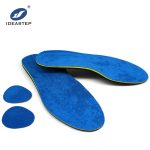
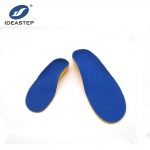
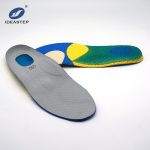
Foam sheet selection affects material processing, product construction, and production consistency in orthotic insole manufacturing. For manufacturers and B2B buyers, choosing a suitable medical insole foam sheet supplier requires evaluating density, hardness, thickness tolerance, compression behavior, and processing compatibility.
EVA, PU, and PE foam sheets serve different manufacturing requirements. Their suitability depends on the material grade, intended application, and production process. This guide covers material selection, technical specifications, quality control, customization, and bulk supply for orthotic and foot care products.
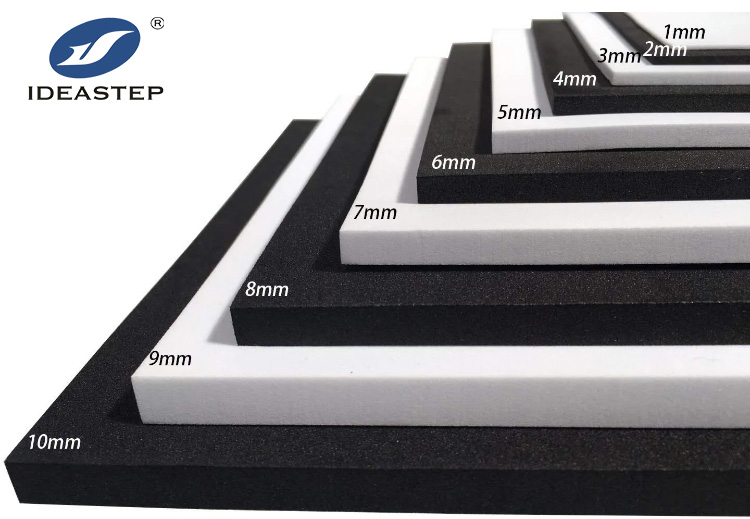
Why Orthotic Insole Manufacturers Need a Specialized Foam Sheet Supplier
Foam sheets provide raw material for cutting, grinding, shaping, and lamination. Consistent material properties help manufacturers control component dimensions, processing performance, and finished-product quality.
Foam Sheets in Orthotic Insole Production
Depending on the design, foam may serve as a cushioning layer, base layer, or shaped component. Some constructions combine foam with textile covers or firmer support components, requiring each layer to meet specific functional requirements.
Material Specifications and Bulk Supply
Foam products made from the same polymer can differ in density, hardness, cell structure, and compression behavior. Clear specifications help buyers compare materials, approve samples, and maintain consistency across repeat orders.
Supplier evaluation should also cover inspection procedures, technical documentation, material availability, lead time, and repeat-order support.
Types of Foam Sheets for Orthotic Insoles
EVA, PU, and PE are common foam options for insole-related applications. Selection should be based on verified material properties and processing requirements rather than polymer type alone.
EVA Foam Sheets
Ethylene-vinyl acetate (EVA) foam is used in footwear components and is available in different densities, hardness levels, and thicknesses. Depending on the grade, it can suit lightweight constructions, cushioning layers, and shaped insole components.
Buyers should confirm density, hardness, thickness tolerance, compression performance, and compatibility with the intended cutting or forming process. Sample testing is recommended when introducing a new grade or supplier.
PU Foam Sheets
Polyurethane (PU) foam offers a range of structures and mechanical properties. Depending on its formulation, it may provide different levels of softness, flexibility, and compression recovery.
Buyers should specify the required properties rather than relying on the general term “PU foam.” For multi-layer products, compatibility with adjacent materials and bonding processes should also be verified.
PE Foam Sheets
Polyethylene (PE) foam may suit applications requiring a lightweight cellular material with specific flexibility or structural characteristics. Performance varies by grade, so buyers should assess compression behavior, dimensions, shaping requirements, and compatibility with other materials.
Multi-Layer and Composite Foam Materials
Multi-layer insoles may combine foam with textile, leather, or firmer support components. Manufacturers should verify total thickness, bonding, layer alignment, and edge finishing. Individual materials should be evaluated as part of the complete construction.
Comparing Foam Materials
When comparing foam sheet quotations, buyers should review these key factors:
- Density: Mass per unit volume, used to characterize material grades.
- Hardness: Resistance to indentation under a specified test method.
- Compression performance: Deformation under load and recovery after unloading.
- Dimensions: Nominal thickness, sheet size, and acceptable tolerances.
- Process compatibility: Suitability for cutting, grinding, forming, and lamination.
- Supply conditions: MOQ, availability, lead time, and repeat-order consistency.
Density and hardness measure different properties. Neither value alone determines a foam sheet’s suitability for a finished insole.
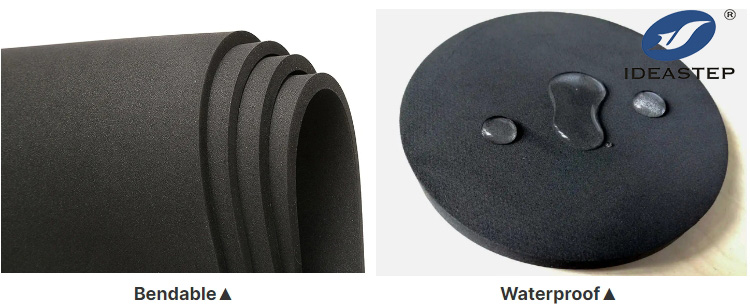
Key Specifications for Medical Insole Foam Sheets
A purchasing specification should define measurable requirements for quotation, sample approval, incoming inspection, and repeat orders.
Thickness and Dimensional Tolerance
Thickness and sheet dimensions affect component geometry, material consumption, and downstream processing. Buyers should specify nominal thickness, length, width, and acceptable tolerances. Each material specification should have a clear identifier to prevent purchasing errors.
Density and Hardness
Density measures mass per unit volume, while hardness measures resistance to indentation under defined test conditions. Buyers should request relevant technical data and confirm the test methods used to ensure meaningful comparisons.
Compression Set and Recovery
Compression set measures the permanent deformation remaining after compression under specified conditions. Where compression performance is critical, buyers should define the applicable test method and acceptance criteria. Results should be compared under consistent test conditions.
Flexibility, Durability, and Processability
Foam sheets may undergo cutting, grinding, forming, or lamination before becoming finished components. Manufacturers should confirm that the selected grade can withstand the intended process without unacceptable deformation, surface damage, or dimensional variation. Trial processing can identify issues before bulk production.
Batch Consistency and Traceability
Retain approved specifications and relevant inspection records, including material grade, dimensions, test results, and batch identification. Any change in grade, formulation, or source should be reviewed before production use.
Applications of Foam Sheets in Orthotic and Foot Care Products
Foam sheet requirements depend on product construction and intended function. Material selection should reflect the finished component’s specifications and manufacturing process.
Multi-Layer Orthotic Insoles
Foam may serve as a base, cushioning layer, or shaped component. Manufacturers should define the requirements for each layer and verify total thickness, bonding, and dimensional consistency.
Arch Support Insole Structures
Some insole designs combine foam with firmer structural components. Manufacturers should check component positioning, bonding compatibility, total thickness, and fit within the intended footwear design.
Cushioning and Pressure-Management Components
Foam can be incorporated into cushioning layers or selected areas of an insole. Thickness, hardness, density, and compression behavior influence its response to loading.
For clinical or specialized foot care applications, material specifications should align with the finished product’s requirements. Claims about pressure redistribution or clinical outcomes require appropriate evidence from evaluation of the finished product.
Other Foot Care Applications
Foam sheets may also suit selected foot care components, depending on their structure and processing requirements. Buyers should verify material suitability and applicable safety or regulatory requirements. The term “medical” alone does not establish regulatory compliance.
Selecting Foam Sheets for Different Manufacturing Processes
Material suitability should be confirmed under actual production conditions. Meeting dimensional requirements alone does not guarantee compatibility with forming, bonding, or finishing processes.
Cutting and Grinding
Cutting and grinding require foam sheets that can produce the specified profile and edge finish. Thickness variation and dimensional instability can affect processing yield. Trial runs should verify accuracy and surface quality.
Heat Forming and Molding
Foam used in heat forming or molding must suit the required temperature, pressure, heating duration, and cooling conditions. Processing parameters vary by grade, so supplier guidance and sample validation are essential.
Lamination and Bonding
Bonding performance depends on the foam surface, adjacent materials, adhesive, and process conditions. Sample trials should check adhesion, layer alignment, and edge separation. If forming follows lamination, validate the complete production sequence.
Material and Process Validation
Before bulk approval, test the material through the intended production steps. Checks may include dimensions, processing behavior, bonding performance, and specified material properties. Record the approved grade and process conditions for repeat production.
Quality Control for Orthotic Insole Foam Sheets
A defined inspection plan helps buyers verify that delivered foam sheets meet agreed specifications. Inspection requirements should reflect the material grade and finished-product requirements.
Incoming Material Inspection
Incoming checks may cover thickness, sheet dimensions, surface defects, packaging, and batch identification. Additional tests should follow the purchasing specification, with acceptance criteria agreed before production.
Density, Hardness, and Compression Tests
Where required, test density, hardness, and compression-related properties using specified methods. Record units, test conditions, and results to support meaningful batch comparisons.
Batch Records and Specification Control
Approved specifications, batch identification, and inspection results support traceability and help investigate material variations. Substitute materials should be checked against the approved requirements before production use.
Documentation for Medical Applications
For medical or regulated applications, buyers should identify the documentation required for the specific material, finished product, and destination market. Relevant documents may include technical specifications, test reports, or declarations.
Documentation for a raw foam material does not automatically establish compliance of the finished insole. Buyers should verify the applicable requirements and confirm that supporting documents cover the relevant material and scope.
Custom Foam Sheets, MOQ, and Bulk Supply
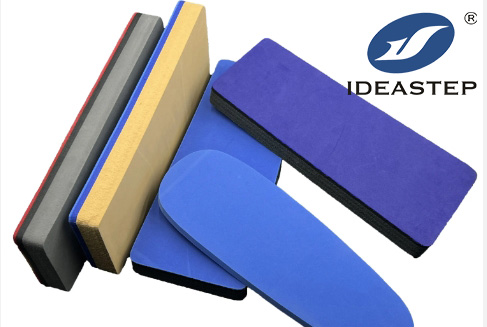
Custom orders may involve specific material grades, thicknesses, dimensions, colors, or surface requirements. Available options, MOQ, and lead times should be confirmed before ordering.
Custom Thickness, Dimensions, and Material Specifications
Provide a technical drawing, specification sheet, or reference sample where available. Include material type, thickness, dimensions, tolerances, and critical performance requirements. List each grade or size separately for accurate quotation and order control.
Color, Surface Finish, and Lamination Options
Color, surface finish, and lamination options depend on the supplier’s capabilities. Confirm availability and evaluate samples when these features affect the finished component. For laminated constructions, test the combined material rather than approving each layer independently.
MOQ and Pricing Factors
MOQ and unit pricing depend on material type, dimensions, thickness, customization, production requirements, and order volume. Special specifications may affect material availability and lead time.
For an accurate quotation, provide the required specifications, estimated quantity, delivery destination, and inspection or documentation requirements.
Lead Time and Repeat-Order Planning
Lead time may include material preparation, sampling, production, inspection, packaging, and shipping. For recurring orders, retaining approved specifications and forecasting material needs can improve purchasing and production planning.
How to Choose a Medical Insole Foam Sheet Supplier
Supplier evaluation should focus on material capability, quality control, technical support, and supply reliability.
Material Range and Customization
Confirm whether the supplier can provide the required foam type, thickness, dimensions, and material properties. For specialized constructions, check sample availability and support for material trials.
Quality Control and Technical Documentation
Ask how the supplier checks material properties, identifies batches, and manages specification changes. Review test reports and declarations for material identity, test scope, and relevance to the intended application.
Sampling and Technical Support
Sample evaluation is useful when introducing a new material, changing suppliers, or developing a new insole construction. Provide the intended process and product requirements so the material can be assessed against actual production needs.
Bulk Supply and Repeat Orders
Discuss MOQ, material availability, production capacity, lead time, and repeat-order procedures. Confirm how the supplier maintains approved specifications and communicates proposed material changes.
Frequently Asked Questions About Medical Insole Foam Sheets
Which Foam Materials Are Used for Orthotic Insoles?
EVA, PU, and PE are among the options used in insole manufacturing. Selection depends on material properties, product construction, processing method, and intended application.
How Should Buyers Compare EVA and PU Foam Sheets?
Compare specific grades for density, hardness, thickness, compression behavior, process compatibility, and cost. Test samples before approving a new grade for production.
What Information Is Needed for a Foam Sheet Quotation?
Provide material type, dimensions, thickness, tolerances, required properties, intended process, order quantity, and delivery requirements. A drawing or reference sample can clarify technical details.
Can Foam Sheets Be Customized?
Customization depends on the supplier’s material range and production capabilities. Confirm available dimensions, tolerances, MOQ, and lead time before ordering.
How Can Buyers Verify Batch Consistency?
Use an approved specification, defined inspection criteria, and batch records. Compare test results using consistent methods and conditions where applicable.
What Documentation Is Required for Medical Applications?
Requirements depend on the material, finished product, intended use, and destination market. Verify applicable obligations and confirm that supplied documentation covers the relevant material and scope.
Discuss Your Insole Foam Sheet Requirements with Ideastep
Ideastep supports B2B inquiries for insole materials and customized manufacturing requirements. To discuss a project, provide the material type, thickness, dimensions, target properties, intended application, and estimated order quantity.
Technical drawings, reference samples, or existing specifications can help clarify requirements. Contact Ideastep to discuss material options, sample requests, MOQ, quotations, and bulk supply planning.
Related Reading: Medical Insole Foam Sheet for Custom Orthotic Insole Manufacturing.