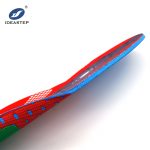
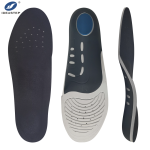
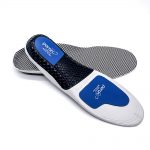
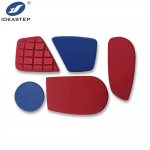
Getting an orthotic insole sample approved is one milestone. Producing the same design consistently at scale is another.
During orthotic insole manufacturing, details that seem minor during sampling can become production issues. A material may behave differently during machining or forming. A small change in thickness can affect how components fit together. A design that works for a single sample may also require process adjustments before it can be produced efficiently in larger quantities.
For brands, orthotic product developers, and wholesale buyers, these details matter when choosing a manufacturing partner. This article follows a typical custom insole project from the initial brief through prototype development, sample approval, and bulk production planning. It focuses on the decisions that help prevent avoidable changes after an order is placed.

Start with a Clear Product Brief
Before a manufacturer starts making samples, both sides need a shared understanding of what the finished insole should be. A product name or reference image is rarely enough to define a manufacturing job.
The brief may include technical drawings, CAD files, a reference sample, target dimensions, size ranges, material requirements, and details about the intended footwear. Buyers should also explain which features are essential and where the manufacturer has room to suggest alternatives.
This distinction can save time. If the overall shape and support structure are fixed, for example, the development team can focus on achieving those requirements rather than revisiting the basic design with every sample revision.
Choose Materials for the Actual Construction
Material selection should follow the product requirements, not just a preferred material name. EVA foam is widely used in insole components, while PU foam, TPU, textiles, and firmer support elements may suit other parts of a layered construction.
The relevant factors depend on the design. Density, hardness, thickness, flexibility, compression behavior, bonding compatibility, and processing requirements may all affect the finished product. Two materials described in similar terms can still perform differently once they are cut, milled, formed, or assembled.
For this reason, material choices should be reviewed alongside the manufacturing method. A material that looks suitable on paper still needs to work with the intended structure and production process.
Agree on What Counts as an Approved Sample
Sample approval is more useful when the acceptance criteria are defined in advance. These may cover dimensions, contours, material grades, surface finish, layer placement, bonding, and other requirements specific to the product.
Without a clear reference, buyer and manufacturer may judge the same sample differently. Recording the agreed specifications before development begins gives both sides a more practical basis for reviewing changes.
Develop the Prototype and Resolve Design Issues
The first prototype turns the product brief into something that can be inspected and evaluated. Depending on the construction, development may involve CNC milling, cutting, forming, lamination, or assembling several components.
The first sample does not need to answer every production question, but it should reveal whether the proposed design and materials are workable. This is the stage to identify dimensional conflicts, unsuitable material choices, finishing problems, or assembly issues before they become more expensive to correct.
Review the Details That Affect Production
Prototype evaluation should go beyond appearance. The team needs to check whether the sample matches the agreed design and whether its construction can be reproduced using the planned process.
- Dimensions and contours: Check overall length, width, thickness, and critical shaped areas.
- Material structure: Confirm material grades, layer positions, and component thicknesses.
- Assembly: Inspect bonding, alignment, edge finishing, and the fit between components.
- Manufacturability: Identify features that may be difficult to machine, form, laminate, or reproduce consistently.
- Application requirements: Confirm compatibility with the intended footwear construction and any specified performance criteria.
Additional performance testing may be needed for particular applications. The scope should be based on the product specification and intended market rather than assumed from the material description alone.
Keep Sample Revisions Under Control
Revisions are a normal part of product development. Problems arise when changes are discussed informally but not carried through to the technical documents.
If the thickness, material, geometry, or component structure changes, the revised version should be recorded clearly. The final approved sample should correspond to the current drawing and material specification, so production staff are not left working from an outdated version.
Before approval, buyers should also check that the sample represents the construction they intend to order. A sample made with temporary materials or an unconfirmed process may not provide a reliable reference for bulk production.
Prepare the Approved Design for Bulk Production
An approved prototype confirms that a sample meets the agreed requirements. It does not, by itself, establish that the same result can be reproduced efficiently across a full order.
Before production begins, the manufacturer needs to turn the approved design into a usable production specification. This usually means confirming material grades, dimensions and tolerances, component details, processing requirements, finishing methods, and inspection criteria.
Check Whether the Process Suits the Order
The right manufacturing method depends on the product’s geometry, material, required accuracy, and order volume. CNC milling may be suitable for shaped components made from foam blocks. Cutting, molding, forming, or lamination may be more appropriate for other constructions.
Production planning should consider more than whether a method can make one acceptable sample. The team also needs to assess repeatability, material utilization, finishing work, and the time required for each stage. If a feature creates unnecessary complexity, it is worth discussing alternatives before committing to the production run.
Confirm Materials and Process Requirements
Material substitutions can affect more than appearance. Differences in hardness, density, compression behavior, or processing response may change the finished component or how it fits with other layers.
Any proposed substitution should therefore be reviewed against the approved specification. The same applies to changes in construction or processing that could affect product conformity. Clear approval procedures help prevent an unplanned change from reaching the finished order.
Plan Inspection Before the Production Run
Inspection should be built into the production plan rather than left until the order is finished. Depending on the product, checks may include incoming material inspection, first-article approval, in-process dimensional checks, assembly inspection, and final review.
Not every feature requires the same level of attention. The inspection plan should focus on the characteristics that determine whether the product meets the specification, with clear methods and acceptance criteria for each relevant check.
Keep Bulk Production Consistent
Once production starts, the main task is to keep the output aligned with the approved sample and purchasing specification. Variations in materials, machine settings, forming conditions, or assembly can affect the result, particularly when the product contains several layers or shaped components.
Inspect Early, Not Just at the End
First-article inspection gives the buyer and manufacturer an opportunity to review initial production units before the full run continues. It can reveal issues with dimensions, finishing, assembly, or process settings while corrective action is still manageable.
During the run, manufacturers should monitor the characteristics most likely to vary. The exact checks will depend on the design and agreed requirements; a simple foam component and a multi-layer orthotic construction will not necessarily need the same inspection plan.
Maintain Traceability and Inspection Records
Production records help explain what was made, which materials were used, and whether the order met the agreed criteria. Batch identification and inspection results are particularly useful when a buyer needs to investigate a quality concern or reorder the same product later.
Final inspection should follow the purchase specification and may cover dimensions, appearance, assembly, bonding, labeling, and packaging. Any required performance tests or compliance documents should be supported by actual, applicable records.
Common Problems When Moving from Sample to Order
Many production problems begin before the order reaches the factory floor. A few recurring issues are worth resolving during development.
The Sample and Production Specification Do Not Match
A sample may be approved while a drawing, material grade, or revision record remains out of date. The production team then has to interpret which version takes priority. Keeping the approved sample and technical documents aligned reduces this risk.
Late Design Changes Affect Cost and Timing
Changes after approval can affect material purchasing, machining, tooling, assembly, or packaging. Even a small revision may require a new sample or additional checks. Buyers should review critical design details before production release and confirm how later changes will be handled.
MOQ and Lead Time Are Confirmed Too Late
Minimum order quantity and lead time depend on factors such as material availability, production setup, customization, and inspection requirements. These details should be discussed during quotation and development, not after the sample has been approved.
For repeat orders, retaining the final specification and revision history gives both sides a stable starting point. Updated forecasts and early notice of changes can also help the manufacturer plan materials and capacity.
Choosing an Orthotic Insole Manufacturing Partner
A supplier’s ability to produce a sample is only one part of the evaluation. B2B buyers also need to understand how the supplier handles design information, revisions, production planning, and quality requirements.
During supplier discussions, ask how technical drawings and reference samples are reviewed, how sample changes are documented, and how the approved design is transferred to production. It is also useful to understand the available manufacturing methods, inspection procedures, order capacity, MOQ, and expected lead time.
For OEM or ODM projects, confirm the scope of support rather than relying on a general service label. Design development, material selection, private labeling, packaging, and repeat production may be available in different combinations depending on the supplier.
A practical supplier evaluation should be based on documented capabilities and clear answers about the specific project. General claims about quality or capacity are less useful than an agreed specification, a controlled sample approval process, and a realistic production plan.
From Prototype Approval to a Repeatable Product
Moving a custom orthotic insole into bulk production is not simply a matter of making more copies of an approved sample. It requires the design, materials, manufacturing process, and inspection criteria to remain aligned as production scales up.
For buyers, the most useful preparation is straightforward: provide complete product information, agree on acceptance criteria, review sample revisions carefully, and confirm production requirements before placing the order. These steps make quotations easier to evaluate and reduce the chance of avoidable changes once manufacturing begins.
Discuss a Custom Orthotic Insole Project with Ideastep
For B2B projects, it helps to share as much technical information as possible at the quotation stage. A drawing, reference sample, target materials, size range, key specifications, and estimated order quantity can give the manufacturer a clearer understanding of the request.
Explore More: EVA Insole Material for Custom Orthotic Insoles Wholesale OEM ODM.