EVA foam is widely used in insole manufacturing because it offers a practical balance of cushioning, flexibility, low weight, and processing versatility. For wholesalers, footwear manufacturers, orthotic laboratories, and private-label brands, however, material selection involves more than choosing a foam type. Density, hardness, compression behavior, dimensional stability, and manufacturing compatibility all influence the final product.
Therefore, understanding these factors helps B2B buyers define material specifications, evaluate suppliers, and maintain consistency across bulk orders. The following guide explains the key properties of EVA insole material, its manufacturing applications, and the points to consider when sourcing materials for OEM and ODM projects.
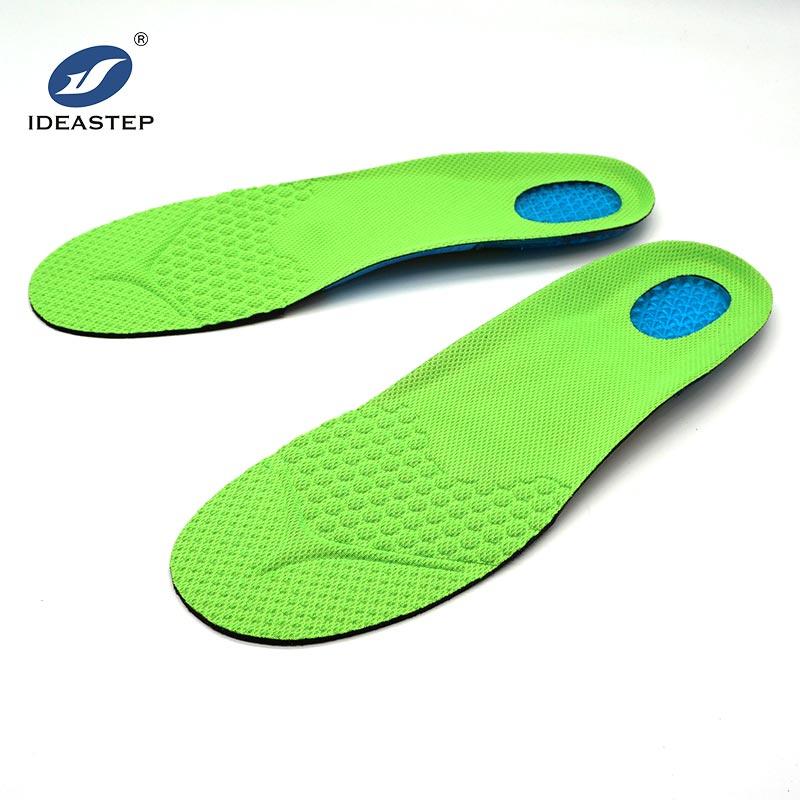
1. Understanding EVA as an Insole Material
What Is EVA Foam?
EVA stands for ethylene-vinyl acetate, a copolymer used to produce flexible foam materials. In insole manufacturing, EVA foam provides a lightweight structure that can be processed into different shapes, thicknesses, and hardness levels. Its formulation and processing conditions can also be adjusted to meet different product requirements.
For example, manufacturers can use EVA sheets, molded components, or foam blocks as starting materials, depending on the intended production method. CNC milling is particularly useful when manufacturers need to produce custom orthotic shapes from EVA blocks, while molding and other foam-processing methods support different production requirements.
Key Characteristics of EVA for Insole Production
EVA offers several characteristics that make it suitable for insole manufacturing. First, its low weight helps manufacturers manage overall product weight. In addition, the material is available in different densities and hardness levels, giving product developers more control over cushioning and structural support.
Another advantage is its processing flexibility. Manufacturers can cut, shape, mold, or mill EVA according to the design and production process. Nevertheless, material performance depends on the specific foam formulation, structure, and processing conditions. Consequently, buyers should evaluate the actual material specifications rather than assume that all EVA foam grades perform in the same way.
EVA Compared with Other Insole Materials
EVA is one of several materials used in insole production. Depending on the application, manufacturers may also consider PU foam, latex, TPU, or combinations of different materials. Each option offers a different balance of weight, flexibility, resilience, durability, and processing requirements.
In comparison with some denser materials, EVA can provide a lightweight and easily processed structure. However, PU may suit applications that require different cushioning characteristics, while TPU can serve as a structural or functional component in a multi-material design. Therefore, material selection should reflect the intended product specifications, manufacturing method, and target cost rather than rely on a general comparison alone.
2. Key Properties of EVA Insole Materials
Density and Hardness
Density and hardness are two important parameters when specifying EVA foam for insole production. Density describes the mass of material within a given volume, whereas hardness indicates its resistance to indentation under a specified test method. Although these properties may influence one another, they are not interchangeable.
For instance, a lower-density EVA foam may help reduce material weight, while a higher-hardness grade may provide a firmer feel or more structural stability. However, neither characteristic alone determines the overall performance of an insole. Buyers should therefore define acceptable density and hardness ranges according to the product design and intended application.
Compression, Recovery, and Resilience
During use, EVA foam experiences repeated compression. Its ability to recover after loading can affect cushioning performance and long-term dimensional behavior. For this reason, compression and recovery properties deserve attention during material evaluation.
In addition, test conditions can influence the results. Sample thickness, loading conditions, temperature, and test methods may all affect measured performance. As a result, suppliers and buyers should agree on the relevant test procedures and acceptance criteria before approving materials for production.
Thickness, Flexibility, and Dimensional Stability
Thickness and flexibility influence how EVA components fit into an insole design. Depending on the product requirements, manufacturers may need thin foam layers, thicker cushioning sections, or components with different profiles. Accurate cutting and processing help maintain the intended dimensions throughout production.
Dimensional stability is equally important, especially for projects involving repeated production runs. Therefore, buyers should confirm thickness tolerances, dimensional requirements, and inspection methods with their suppliers. Consistent specifications make it easier to compare samples with mass-produced components and reduce avoidable variation between batches.
Foam Structure and Consistency
The internal foam structure can affect the material’s physical properties and processing behavior. Variations in cell structure, density distribution, or surface condition may influence cutting quality and finished-component consistency. Consequently, evaluating only the appearance of an EVA sheet or block may not provide enough information about its suitability for production.
For bulk purchasing, consistent material characteristics are particularly important. In addition to checking the initial sample, buyers should establish clear specifications and inspection procedures for subsequent batches. This approach helps maintain repeatability when the same material is used across multiple production orders.
3. EVA Material Selection for Different Insole Applications
Custom Orthotic Insoles
Custom orthotic insole production often requires precise geometry and carefully selected material properties. EVA foam blocks can be suitable for CNC milling when the block dimensions, hardness, and material structure match the processing requirements. Moreover, the ability to specify different material grades can help manufacturers align the foam with a particular orthotic design.
For these projects, buyers should provide the required dimensions, design files where available, and target material properties. Multi-density constructions also require careful control of material placement and bonding. As a result, confirming the specifications before production can help reduce rework and improve consistency.
Sports and Performance Insoles
Sports and performance insoles may require a balance of cushioning, resilience, flexibility, and weight. EVA is one possible material for these applications because manufacturers can select from different foam grades and component configurations. However, the appropriate specification depends on the intended product design and performance targets.
For example, a project may prioritize lower weight, a firmer base, or a particular compression response. Therefore, suppliers should evaluate the requested properties as a combination rather than select a material based on hardness or density alone. Where performance requirements are important, buyers should also agree on suitable verification methods before approving the production material.
Everyday and Work Footwear
For everyday and work footwear, EVA components may need to meet specific requirements for thickness, flexibility, cushioning, and dimensional consistency. In addition, the expected production volume can influence the choice of material format and processing method.
Sheet-based materials may suit some cutting operations, whereas molded components or milled blocks may better match other designs. Accordingly, manufacturers should consider both the final component specifications and the efficiency of the selected production process when evaluating material options.
Multi-Density Insole Structures
Multi-density insoles combine materials with different physical properties within a single product. This construction allows manufacturers to assign different functions to different areas, depending on the design. For example, one section may require a firmer structure, while another may prioritize flexibility or cushioning.
Nevertheless, successful production depends on more than selecting two foam grades. Material compatibility, positioning accuracy, bonding methods, and process control can all affect the finished component. Therefore, buyers should confirm the construction details and inspect the sample before moving to bulk manufacturing.
4. EVA Insole Manufacturing Processes
Compression Molding and Foam Processing
Compression molding and other foam-processing methods can be used to produce EVA components in specified shapes and dimensions. The appropriate process depends on the material formulation, product geometry, tooling requirements, and expected production volume.
For larger production runs, tooling and process consistency may be important considerations. Meanwhile, projects involving frequent design changes may require a different approach. Buyers should discuss the manufacturing route with the supplier early in the project to assess its suitability for the required specifications and order quantity.
CNC Milling for Custom Orthotic Insoles
CNC milling enables manufacturers to remove material from EVA blocks according to digital designs. This method is useful for producing custom profiles and detailed geometries when the foam is compatible with the machining process. In addition, digital design files can support repeatable production when the material and machining parameters remain consistent.
However, milling results depend on the quality of the input material, block dimensions, tool selection, and machining settings. For this reason, buyers should confirm that the selected EVA blocks meet the requirements of their milling equipment and intended component design. Sample machining can also help verify suitability before a larger order is placed.
Single-Density and Multi-Density Construction
Single-density construction uses one primary material grade throughout the relevant component, while multi-density designs combine materials with different properties. The choice depends on the intended structure, performance targets, and production requirements.
Although multi-density designs offer more options for material placement, they can also introduce additional manufacturing steps. Therefore, suppliers should confirm the material specifications, joining method, and dimensional tolerances before production begins. Clear documentation can help maintain consistency across repeated orders.
Custom Dimensions, Thickness, and Colors
Depending on the supplier’s production capabilities, EVA materials may be available in customized dimensions, thicknesses, hardness levels, and colors. These options can help buyers align raw materials with their product designs and processing equipment. In addition, agreed specifications can simplify purchasing and reduce unnecessary material adjustments during production.
Before confirming an order, buyers should provide the required dimensions and tolerances, preferred material properties, color references where applicable, and estimated quantity. If a project requires a specific format, such as sheets or EVA blocks, that requirement should also be included in the inquiry. Consequently, the supplier can assess feasibility and prepare a more accurate quotation.
5. Quality Control for EVA Insole Materials
Density and Hardness Verification
Density and hardness checks help determine whether a material batch meets the agreed specifications. To ensure meaningful comparisons, suppliers should use consistent sampling procedures and appropriate test methods. Buyers should also confirm the acceptable ranges before approving a production order.
In addition, the inspection process should distinguish between required specifications and optional preferences. This makes it easier for both parties to evaluate material compliance and resolve differences during incoming inspection.
Compression and Recovery Testing
When compression performance is important to the application, buyers should identify the relevant test requirements before production. Depending on the project, evaluation may include compression behavior, recovery after loading, or changes following repeated compression.
However, test results are only useful when the procedures and conditions are clearly defined. Therefore, suppliers and buyers should agree on sample preparation, test methods, and acceptance criteria. This helps ensure that material performance is assessed consistently rather than through subjective judgment alone.
Dimensional Accuracy and Batch Consistency
Dimensional inspection helps confirm that EVA sheets, blocks, or finished components meet the required size and thickness tolerances. For CNC-milled components, accurate input dimensions can also support reliable machining results. Consequently, dimensional checks should form part of the agreed quality-control process.
Batch consistency is equally important for ongoing supply programs. In particular, buyers should communicate any critical dimensions or material properties that must remain stable across repeat orders. Maintaining documented specifications and inspection records can help both parties identify deviations and improve production repeatability.
Bulk Order Inspection
Before shipment, a bulk order may require checks based on the product specification, order agreement, and buyer’s quality requirements. These checks can cover material identity, dimensions, appearance, packaging, and other agreed characteristics.
For this reason, buyers should define inspection requirements before production rather than wait until the goods are ready to ship. A clear quality plan helps align expectations, supports more efficient order management, and reduces the risk of disputes over product acceptance.
6. Selecting an EVA Insole Supplier for OEM and Wholesale Projects
Material Customization and Technical Support
When evaluating an EVA supplier, buyers should first confirm whether the available material grades match the project’s technical requirements. Relevant factors may include density, hardness, thickness, dimensions, color, and compatibility with the intended manufacturing process.
Beyond material availability, technical communication is also important. For example, a supplier should be able to clarify which specifications are feasible and identify information needed to assess a new design. Therefore, providing a complete technical brief at the beginning of the project can help shorten the quotation and sampling process.
Production Capacity, MOQ, and Lead Time
Minimum order quantity, production capacity, and lead time can affect purchasing decisions, particularly for wholesale and recurring supply programs. Nevertheless, these terms may vary according to material type, customization requirements, tooling needs, and order volume.
As a result, buyers should request project-specific confirmation rather than rely on general estimates. It is also useful to clarify whether the quoted lead time covers sampling, production, inspection, and packaging. This information helps purchasing teams plan inventory and coordinate downstream manufacturing schedules.
Sampling and Specification Approval
Sampling allows buyers to review the material or component before committing to bulk production. During this stage, the sample should be checked against the agreed specifications, including dimensions, hardness, appearance, and any relevant functional requirements.
Once the sample is approved, both parties should retain a clear record of the confirmed specifications. In this way, the approved sample and documented requirements can serve as reference points for subsequent orders. Any later changes should be communicated and approved before they are introduced into production.
OEM/ODM Capabilities and Packaging
OEM and ODM projects may involve different levels of design input, material selection, product development, branding, and packaging. Accordingly, buyers should clarify the scope of cooperation at the quotation stage. Not every supplier offers the same services, so the available capabilities should be confirmed against the specific project.
Packaging requirements also deserve early attention, especially for private-label and wholesale orders. Buyers should specify packaging format, labeling information, quantities per carton, and any other applicable requirements. Clear communication helps align the final deliverables with the purchasing agreement and reduces last-minute changes.
7. Frequently Asked Questions About EVA Insole Materials
Is EVA Suitable for Custom Orthotic Insoles?
Yes, EVA can be suitable for custom orthotic insole production when its properties match the design and manufacturing requirements. For example, compatible EVA blocks can be CNC-milled into custom profiles. However, buyers should verify the material’s hardness, dimensions, and processing compatibility before approving it for production.
How Do Density and Hardness Affect EVA Insole Materials?
Density describes the mass per unit volume, while hardness measures resistance to indentation under a specified test method. Both properties can influence material selection, but neither alone defines overall performance. Therefore, buyers should specify and evaluate them alongside compression behavior, dimensional stability, and the intended application.
Can EVA Be Used in Multi-Density Insoles?
Yes, EVA can be incorporated into multi-density insole constructions when the selected materials and manufacturing methods are compatible. The final result depends on material placement, joining methods, and process control. Consequently, sample evaluation and clear specifications are important before bulk production.
Can EVA Blocks Be Used for CNC Milling?
Yes, suitable EVA blocks can serve as raw materials for CNC milling. Nevertheless, block dimensions, hardness, material consistency, and machining requirements should be checked before processing. Buyers should provide the relevant equipment or design requirements so the supplier can assess material suitability.
What Information Is Needed for an EVA Material Quotation?
For a more accurate quotation, buyers should provide the material type, required dimensions, thickness, density or hardness range, color, processing method, and estimated order quantity. Where applicable, include drawings, design files, tolerances, packaging requirements, and the target delivery schedule. With these details, the supplier can evaluate the request more efficiently and clarify any missing information.
8. Choosing EVA Materials for Your Next Insole Project
Selecting the right EVA material involves balancing product requirements, manufacturing methods, quality expectations, and purchasing conditions. While density and hardness are important starting points, buyers should also consider compression behavior, dimensional consistency, processing compatibility, and the requirements of the finished component.
For OEM and wholesale projects, early specification alignment is particularly valuable. By confirming material properties, sample approval procedures, inspection criteria, MOQ, and lead time in advance, buyers can improve coordination with suppliers and reduce avoidable production changes. Ultimately, a clear specification provides a more reliable basis for repeat orders and long-term supply planning.
9. Discuss Your EVA Insole Manufacturing Requirements
Ideastep works with B2B customers on insole manufacturing and material-related projects. If your project involves custom orthotic insoles, EVA materials, or CNC-milled components, prepare the required specifications and estimated quantity so the team can better understand your needs.
To discuss a project, visit our custom orthotic insole manufacturing page or contact our team with your material requirements, design details, and purchasing expectations.
Recommended Reading: EVA Insole Material for Custom Orthotic Insoles Wholesale OEM ODM.