Distinguish Orthotic Foot Inserts From Standard Comfort Insoles
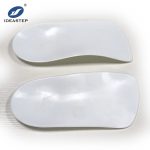
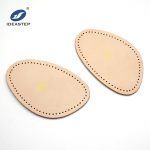
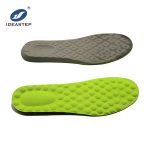
Many foot care brands make a critical sourcing mistake by grouping orthotic foot inserts with general comfort insoles. Comfort-focused insoles prioritise cushioning, while orthotic inserts are engineered to alter foot kinematics, redistribute plantar load and stabilise arch and rearfoot alignment. This core difference informs supplier screening, design validation and regulatory obligations before pricing or MOQ discussions begin. Lock in your application scope upfront: prefabricated orthotics for clinic resale, heat-moldable semi-custom options, or prescription-grade inserts built for podiatric workflows. Poor specification alignment leads to variable batch performance, negative clinical feedback and avoidable compliance risks.
 fa4fgg54060
Assess Supplier Biomechanical Competence Beyond Standard Samples
A qualified orthotic manufacturer must possess biomechanical expertise, not just thermoforming capacity. Evaluate their design workflow, including CAD review, pressure mapping data and posting logic for overpronation, high arch profiles and heel offloading requirements. Rule out suppliers limited to static, pre-defined contours with no ability to adjust arch stiffness, heel cup depth or medial post geometry. For brands building differentiated product lines, confirm the factory can work from foot scan datasets, gait assessment outputs or direct podiatrist input. This technical capability determines whether inserts retain corrective support through repeated wear, instead of losing structural integrity quickly.
Material Specifications and Traceability for Orthotic-Grade Components
Material selection for orthotic foot inserts is performance-led, not cosmetic. Typical multi-density builds combine rigid or semi-rigid support shells in TPU, high-density EVA or reinforced polypropylene, paired with controlled cushioning layers such as Poron, cork or antibacterial top fabric. All raw materials require traceable batch records, safety test certificates and compression set data, rather than generic material declarations. For markets with medical device regulations, biocompatibility documentation and REACH compliance are mandatory. Formalise layer hardness, lamination processes and adhesive requirements within your signed specification sheet to prevent unapproved downgrades of foam quality during mass production.
Structured Sample Validation for Branded Orthotic Lines
Sample assessment requires formal validation protocols, not only visual checks. Approve and lock a golden sample that finalises materials, geometry, surface finish and branding. Complete functional testing: compatibility with target shoe lasts, flex performance at the metatarsal break, structural resistance under cyclic loading and top-cover slip resistance. For clinical distribution channels, deploy samples with partner clinics to gather gait-related feedback instead of relying solely on subjective comfort feedback. Adjustments during sampling carry minimal cost compared to reworking full stock runs. Pilot production should only commence once internal teams and clinical partners sign off on consistent performance.
Regulatory Classification and Market Documentation Planning
Orthotic foot inserts fall into distinct regulatory categories based on your brand’s marketing claims. Any product positioned for therapeutic correction, pain relief or gait modification may trigger medical device obligations in the EU, US and other target markets, requiring relevant certifications and technical files. Your supplier should provide specification dossiers, batch records and labelling guidance tailored to your sales regions. Clarify responsibilities for registration and post-market surveillance before finalising contracts. Brands that overlook this step frequently encounter customs holds and shipment delays.
Batch Consistency, QC Standards and Supply Chain Reliability
For wholesale and private label brands, cross-batch consistency underpins long-term brand credibility. Agree measurable QC metrics at the outset: dimensional tolerances, arch height variance, lamination bond strength, logo placement and colour consistency. Confirm inspection frequency, sampling protocols and corrective action workflows for non-conforming goods. Validate production capacity against your sales forecasts, reorder lead times and contingency plans for material shortages. Low MOQs benefit brands trialling new SKUs, yet it is essential to confirm small pilot runs receive the same QC standards as large wholesale orders.
Commercial Terms to Safeguard Long-Term Brand Development
Negotiate sourcing agreements with clear guardrails around design ownership, NDAs, tooling costs and change control. Confirm custom moulds and orthotic profiles remain your exclusive intellectual property where applicable. Clarify pricing adjustments triggered by material upgrades, specification revisions or additional compliance documentation. Implement a formal change request process; unauthorised adjustments to moulds or materials are the leading cause of quality drift across orders. Balance unit cost targets against total landed costs including testing, certification, rework and return liabilities. Low-cost orthotic inserts that fail clinical performance will damage brand equity far faster than stable, higher-spec alternatives with sustainable margins.
Build Your Sourcing Roadmap
Prepare a detailed technical brief before contacting suppliers, outlining clinical intended use, material matrix, dimensional limits, compliance targets and sample acceptance criteria. Shortlist 2–3 manufacturers with proven orthotic production experience, run parallel sample validation and select one partner for pilot production. After successful pilot testing, scale incrementally while scheduling periodic audits of raw material batches and finished goods. Connect with our technical team to refine your specification package and review validated orthotic insert options aligned with your brand positioning.
Related Reading: Bespoke Production & Bulk Supply: OEM Orthotic Inserts for Foot Care Brands.