For wholesalers, distributors, orthotic laboratories, and private-label brands, choosing an orthotic foot support supplier requires more than a competitive price. Product specifications, customization capabilities, quality control, and production capacity all affect sourcing decisions and long-term supply.
This guide covers the key factors B2B buyers should assess when sourcing orthotic insoles, comparing custom options, and planning bulk orders.

1. Orthotic Foot Support Products for Wholesale
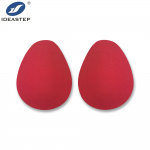
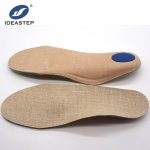
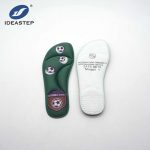
Orthotic foot support products include prefabricated insoles, semi-custom orthotic insoles, custom-designed insoles, and other foot support products. Their materials, structures, and production requirements vary by design.
Product Types and Specifications
Prefabricated insoles use established designs, while semi-custom products allow selected features to be adjusted. Custom-designed insoles may require detailed technical specifications and sample development.
Key specifications include material, thickness, hardness, size range, surface covering, heel cup design, and support structure. Buyers should review these details by model to compare products accurately and plan inventory.
Materials and Product Configurations
Common insole materials include EVA, PU foam, and TPU. Depending on the design, manufacturers may combine materials to meet requirements for firmness, flexibility, cushioning, or structural support.
Distributors, private-label brands, and orthotic laboratories may require different product configurations. Defining the target market and technical requirements early helps narrow the product selection and avoid unnecessary development costs.
2. Custom Options for Orthotic Foot Support Products
Customization depends on the existing product design, manufacturing process, and supplier capabilities. Buyers should distinguish between modifications to an existing model and new product development.
Material Selection and Structural Design
Custom options may include material combinations, hardness, thickness, surface fabric, arch profile, heel cup shape, and component placement. Each specification should match the intended product design and manufacturing requirements.
Provide material requirements, dimensions, technical drawings, or reference samples where available. The supplier can then assess feasibility and identify any additional processing, tooling, or sampling requirements.
Logo, Labeling, and Packaging
Private-label customization may include logo application, product labels, packaging artwork, and customized cartons. Buyers should confirm artwork requirements, packaging specifications, minimum quantities, and additional charges before production.
Custom packaging and labeling may also affect MOQ and lead time, particularly when they require separate materials or production arrangements.
Standard, Semi-Custom, and Fully Custom Products
- Standard products: Use existing specifications and require minimal design changes.
- Semi-custom products: Modify selected features while retaining the main product design.
- Fully custom products: Require more detailed development, technical review, and sample approval.
The right approach depends on the required specifications, development budget, order quantity, and production schedule.
3. How to Evaluate an Orthotic Foot Support Supplier
Supplier selection should focus on product suitability, manufacturing capabilities, quality management, and order coordination.
Technical and Manufacturing Capabilities
Review the supplier’s product range, available materials, processing methods, and customization options. For specialized projects, confirm that the supplier can meet the required specifications and production volume.
Ask which features are standard and which require additional development. Do not assume that a supplier can manufacture every product category listed under the broader orthotic support market.
Quality Control and Documentation
Define quality requirements before production. Depending on the product, inspections may cover incoming materials, dimensions, appearance, construction, and specified functional characteristics.
Ask for relevant product specifications, inspection records, test reports, or conformity documents where applicable. Verify that any certification or compliance documentation applies to the actual product and target market.
Production Planning and Order Management
Confirm the supplier’s ability to manage the required order quantity, material procurement, production schedule, and repeat orders. For ongoing supply, clarify how approved specifications are maintained and how material or design changes are communicated.
Clear quotations, documented requirements, and timely production updates help reduce misunderstandings throughout the order process.
4. OEM/ODM and Custom Product Development
A defined development process helps buyers confirm technical requirements before committing to bulk production.
Step 1: Submit Product Requirements
Provide the product model or category, materials, dimensions, estimated quantity, target market, and packaging requirements. Technical drawings and reference samples can help clarify custom specifications.
Step 2: Confirm Specifications and Pricing
Review the proposed design, customization scope, MOQ, quotation, and estimated lead time. Resolve differences between the requested and proposed specifications before sampling.
Step 3: Approve Samples
Evaluate samples against the agreed specifications, including materials, dimensions, appearance, and construction. Document the approved configuration and confirm any revisions before bulk production.
Step 4: Confirm Bulk Production
Finalize the specifications, order quantity, inspection criteria, packaging, payment terms, and delivery schedule. Use the approved sample and specification sheet as references for production and subsequent orders.
5. MOQ, Wholesale Pricing, and Lead Time
MOQ, pricing, and lead time vary by model, material, production process, and customization requirements. Buyers should confirm the terms for each specific product.
Minimum Order Quantity
MOQ may depend on material procurement, production setup, tooling, customization, and packaging. Standard products may have different minimum quantities from customized designs.
Confirm whether sizes, colors, or configurations can be combined within one order. This depends on the supplier’s production and ordering policies.
Factors Affecting Wholesale Pricing
Wholesale pricing may include materials, processing, tooling, customization, packaging, and inspection requirements. Order volume can affect unit pricing, but the final quotation depends on the product specifications and production arrangement.
Compare quotations using the same specifications and quantities. Confirm whether sample development, tooling, artwork, and customized packaging incur additional charges.
Production Lead Time and Repeat Supply
Lead time may include sampling, sample approval, material procurement, production, inspection, and packaging. Special materials or specification changes can affect the schedule.
Confirm the estimated timeline before placing an order. Buyers with recurring demand should also discuss replenishment schedules and repeat-order procedures.

6. Managing Quality and Long-Term Supply
Consistent product specifications and documented procedures are essential for repeat wholesale orders.
Maintain Approved Specifications
Record the approved materials, dimensions, product structure, packaging, and inspection criteria. Use the approved sample and specification sheet as references for future orders.
Verify Product Records
Request relevant specifications, inspection records, test reports, or conformity documents where applicable. Confirm that the documents match the supplied product and meet the requirements of the destination market.
Control Product and Material Changes
Agree on how material substitutions, design revisions, packaging changes, quality concerns, and delivery adjustments will be reported and approved. A documented change-control process helps maintain consistency across repeat orders.
7. Frequently Asked Questions
What Should Buyers Look for in an Orthotic Foot Support Supplier?
Evaluate the relevant product range, technical capabilities, quality-control procedures, documentation, MOQ, lead time, and repeat-order management.
Can Orthotic Insoles Be Customized for Private-Label Brands?
Depending on the product and supplier, options may include material selection, design modifications, logos, labels, and packaging. Confirm feasibility, cost, MOQ, and lead time before proceeding.
What Information Is Needed for a Bulk Quotation?
Provide the product model, estimated quantity, material preferences, dimensions, customization requirements, target market, packaging details, and expected delivery schedule.
How Is MOQ Determined for Custom Orthotic Insoles?
MOQ depends on factors such as materials, tooling, production setup, customization, and packaging. Request a quotation for the specific configuration to confirm the minimum quantity.
What Should Buyers Confirm Before Bulk Production?
Confirm the final specifications, approved sample, inspection criteria, packaging, payment terms, and delivery schedule. Document any outstanding changes before authorizing production.
8. Discuss Your Wholesale Requirements
Selecting an orthotic foot support supplier requires clear specifications, verified production capabilities, and agreed commercial terms. Confirming these requirements before sampling and bulk production helps buyers manage sourcing risks and maintain consistency across repeat orders.
Ideastep works with B2B customers on orthotic insoles and related foot support products. Contact our team to discuss product specifications, customization options, and wholesale requirements.