1. Define the Product Application and Market Requirements
Start by identifying the target product category and market requirements. Different applications involve different structural designs, material combinations, and footwear specifications.
- Orthotic Clinics and Foot Care Suppliers: Require clearly defined arch profiles, heel cup configurations, material specifications, and size options.
- Footwear Manufacturers: Focus on insole dimensions, thickness, flexibility, material compatibility, and shoe construction.
- Wholesale Distributors: Need a consistent product range, competitive pricing, reliable production capacity, and repeat-order support.
- Private-Label Brands: Often require customized structures, materials, logos, and packaging.
Defining these requirements early helps narrow down suitable product configurations and prevents unnecessary changes during development.
2. Evaluate Insole Structure and Support Design
Structural design is a key factor when comparing medical orthotic insoles. Buyers should examine the arch profile, heel cup geometry, forefoot configuration, and base construction rather than relying on general product descriptions.
Arch Support Profiles
Low, medium, and high arch profiles differ in height, contour, and contact area. Buyers should confirm the arch dimensions and available configurations, particularly when sourcing multiple product models or developing custom specifications.
Heel Cup and Rearfoot Structure
Check the heel cup depth, width, contour, and material rigidity. These dimensions affect the insole’s overall geometry and compatibility with the target footwear. The transition between the heel and arch sections should also be considered.
Metatarsal and Forefoot Design
For products incorporating metatarsal pads or localized forefoot cushioning, confirm the position, height, and dimensions of each component. Forefoot thickness and flexibility should match the shoe design and available internal space.
Shell and Base Construction
Common structural options include:
- PP Shell: Used in rigid and semi-rigid orthotic constructions.
- TPU Shell: Suitable for selected structural components with specific flexibility and deformation requirements.
- EVA Base: Available in different densities and hardness levels for varied support and cushioning configurations.
- Multi-Layer Construction: Combines different materials to achieve specified structural and cushioning characteristics.
Confirm the material grade, thickness, hardness, and bonding method before approving the final construction.
3. Compare Materials and Cushioning Specifications
Material selection affects product weight, compression behavior, structural properties, durability, and manufacturing cost. The following materials are commonly used in orthotic insole production.
| Material | Key Characteristics | Typical Applications |
|---|---|---|
| EVA | Lightweight, with different density and hardness options | Insole bases, cushioning layers, and support structures |
| PU Foam | Available in different formulations and cushioning properties | Cushioning layers and comfort components |
| TPU | Suitable for structured components with specific deformation characteristics | Support shells and structural elements |
| PP | Relatively rigid and suitable for formed structural components | Rigid and semi-rigid shells |
| PORON | Available in different thicknesses for cushioning applications | Heel and forefoot cushioning zones |
| Memory Foam | Compressible material with conforming characteristics | Top layers and cushioning components |
Density, Hardness, and Thickness
Material specifications should be confirmed before production. For EVA and PU components, density and hardness influence the finished product’s firmness, compression response, and structural characteristics. Thickness also affects overall dimensions and compatibility with the target shoe.
For multi-layer insoles, specify the material and thickness of each layer separately. This makes quotations more accurate and provides a clear reference for sample approval and bulk production.
4. Confirm Product Specifications Before Ordering
A complete technical specification reduces misunderstandings during quotation and manufacturing. Buyers should confirm the following details:
- Size Range: Available sizes and grading requirements.
- Dimensions: Length, width, and key measurement points.
- Thickness: Total thickness and individual layer thickness.
- Material Composition: Base, shell, cushioning, and top-cover materials.
- Hardness and Density: Specifications for relevant material components.
- Weight: Product weight per pair where required.
- Surface Material: Top-cover fabric, color, and finish.
- Trimming: Size adjustment and trimming requirements, if applicable.
Measurement methods and tolerances should be agreed upon before sampling. For example, heel, arch, and forefoot thickness should be recorded separately when the insole has a contoured profile.
5. Review Quality Control and Manufacturing Consistency
For wholesale orders, quality control must cover both incoming materials and finished products. Buyers should understand the manufacturer’s inspection procedures and how approved specifications are maintained across production batches.
Raw Material Inspection
Verify material type, density, hardness, thickness, and color against the approved specifications. Relevant material documents and test reports should be available where required.
Dimensional and Structural Inspection
Finished products should be checked for length, width, thickness, arch profile, heel cup dimensions, and component positioning. For multi-layer constructions, inspect bonding, alignment, edge finishing, and surface quality.
Performance and Durability Testing
Depending on product specifications, relevant inspection and testing may include:
- Compression Testing: Evaluates material behavior under pressure.
- Flex Testing: Checks resistance to repeated bending where applicable.
- Bonding Strength Testing: Assesses adhesion between material layers.
- Dimensional Stability: Checks dimensional changes against agreed tolerances.
Testing requirements should match the product design and target market. Buyers should clarify the available test methods, acceptance criteria, and supporting documentation with the manufacturer.
6. Check OEM/ODM and Customization Capabilities
For private-label and custom orthotic insole projects, the manufacturer’s development capabilities are as important as its existing product range.
Material and Structural Customization
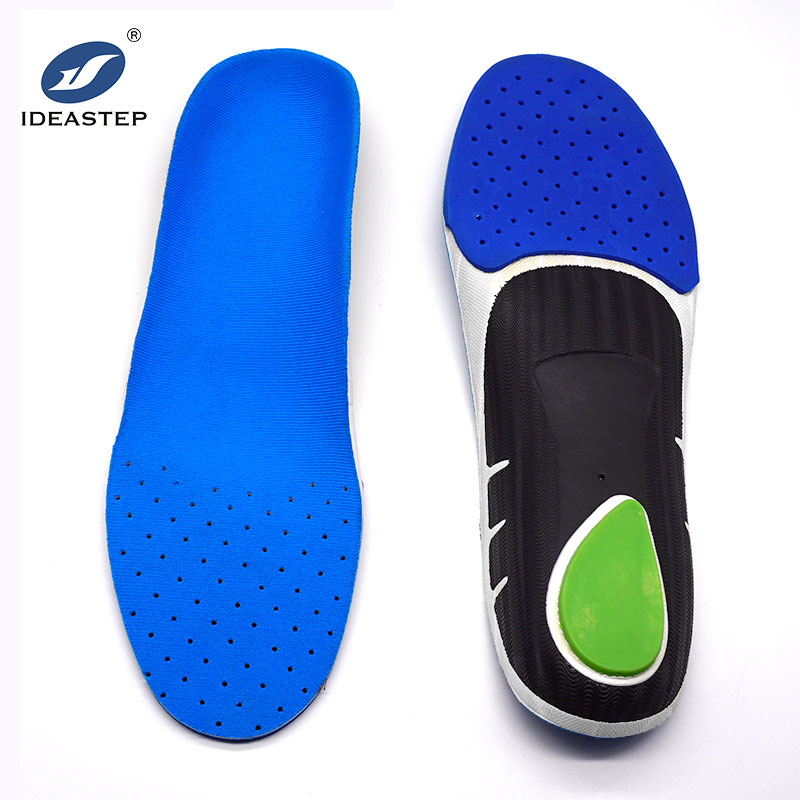
- EVA, PU, TPU, and PP material combinations.
- Customized arch profiles and heel cup configurations.
- Different cushioning materials and layer constructions.
- Customized thickness, hardness, and size specifications.
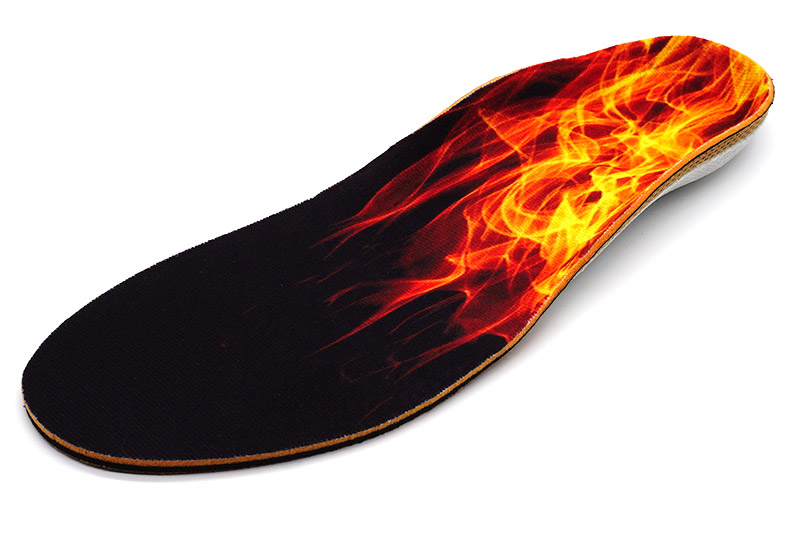
- Top-cover fabrics, colors, and surface finishes.
Logo and Packaging Customization
OEM projects may include logo printing, product labels, branded packaging, and customized product presentation. Confirm artwork requirements, packaging specifications, and any additional MOQ before production.
Sample Development and Approval
Development can start with a technical drawing, reference sample, or detailed specification. Before bulk production, confirm the sample’s dimensions, materials, structural details, and finishing quality.
The approved sample and technical specifications should serve as production references. Any subsequent changes should be documented and confirmed by both parties.
OEM vs. ODM Services
OEM follows the buyer’s existing design or specifications, while ODM involves selecting or adapting designs developed by the manufacturer. The appropriate model depends on the buyer’s product development requirements and available technical resources.
7. Compare MOQ, Lead Time, and Wholesale Pricing
Before confirming a purchase, review the commercial terms alongside the technical specifications.
Minimum Order Quantity
MOQ varies according to product construction, material availability, production processes, and customization requirements. Special colors, custom components, tooling, and branded packaging may increase the minimum order quantity.
Production Lead Time
Confirm the estimated time for sample development, material preparation, bulk production, and packaging. For repeat orders, clarify production scheduling and the process for maintaining approved specifications.
Wholesale Pricing Factors
Quotation costs generally depend on:
- Material type, grade, and consumption.
- Structural design and manufacturing complexity.
- Order quantity and size distribution.
- Custom tooling, branding, and packaging.
- Inspection and documentation requirements.
Compare quotations based on equivalent specifications rather than unit price alone. Material quality, construction, inspection standards, and packaging can all affect the total purchasing cost.
8. Evaluate the Orthotic Insole Manufacturer
A suitable manufacturing partner should have the technical resources and production capacity to support both initial orders and repeat wholesale supply. Evaluate the following areas before making a purchasing decision:
- Industry Experience: Experience in orthotic insoles, foot care products, and footwear applications.
- Material Resources: Access to suitable materials and clearly defined specifications.
- Development Capability: Support for drawings, reference samples, and structural customization.
- Quality Management: Documented inspection procedures and production standards.
- Production Capacity: Ability to meet order quantities and repeat-order schedules.
- Product Documentation: Relevant certificates, test reports, and compliance documents where applicable.
For products supplied to regulated markets, buyers should verify the applicable product classification, labeling, and regulatory requirements rather than assume that all orthotic insoles follow the same standards.
9. Medical Orthotic Insoles Wholesale Supply from Ideastep
Ideastep supplies prefabricated and customized orthotic insoles to wholesalers, distributors, footwear brands, and foot care product companies. Its product development and manufacturing services cover a range of materials, structural configurations, and footwear applications.
Depending on project requirements, customization can include:
- EVA, PU, TPU, and PP material combinations.
- Arch profiles, heel cup designs, and support structures.
- Cushioning layers and top-cover materials.
- Size ranges, colors, and logo placement.
- OEM/ODM development and private-label packaging.
For a quotation, buyers can provide a reference sample or technical drawing, target footwear type, preferred materials, size range, estimated quantity, and packaging requirements. The Ideastep team can review these specifications and discuss suitable product options.
10. Wholesale Buyer’s Checklist Before Placing an Order
Use the following checklist to confirm the key product and purchasing details before bulk production.
| Checklist Item | What to Confirm |
|---|---|
| Target Application | Product category, footwear type, and target market |
| Insole Structure | Arch profile, heel cup, forefoot design, and base construction |
| Material Selection | EVA, PU, TPU, PP, cushioning, and top-cover materials |
| Product Specifications | Size range, dimensions, thickness, hardness, and density |
| Quality Control | Material inspection, dimensional checks, and relevant testing |
| Customization | Structure, colors, logo, and packaging |
| Sample Approval | Approved sample and confirmed production specifications |
| MOQ and Lead Time | Minimum order quantity and production schedule |
| Supplier Capability | Manufacturing experience, quality procedures, and supply capacity |
Frequently Asked Questions About Medical Orthotic Insoles
What materials are commonly used in medical orthotic insoles?
Common materials include EVA, PU foam, TPU, PP, PORON, and various top-cover fabrics. Selection depends on the required structure, cushioning characteristics, durability, and production cost.
What is the difference between prefabricated and custom orthotic insoles?
Prefabricated orthotic insoles use standardized designs and size ranges. Custom orthotic insoles are developed or modified according to specific drawings, reference samples, structural requirements, or footwear specifications.
Can medical orthotic insoles be customized for wholesale orders?
Yes. Depending on the manufacturer’s capabilities, customization can cover materials, arch profiles, heel cup structures, cushioning layers, dimensions, colors, logos, and packaging.
What should buyers confirm before placing a bulk order?
Confirm the approved sample, material specifications, dimensions, size grading, quality requirements, MOQ, lead time, packaging, and production schedule.
How do I select a reliable medical orthotic insoles manufacturer?
Evaluate the manufacturer’s industry experience, material options, customization capabilities, sample development process, quality management, and capacity for repeat wholesale orders. Reviewing product samples and technical documents is also recommended.
Request a Wholesale Quote for Medical Orthotic Insoles
Reliable wholesale sourcing starts with clear product specifications and a manufacturer capable of maintaining consistent production quality.
Contact Ideastep to discuss your medical orthotic insoles requirements. Provide your product design, reference sample, material preferences, size range, estimated order quantity, and packaging specifications to help the team prepare a suitable quotation.
Related Reading:
What to Look for in a Medical Orthotic Insoles Supplier
Custom‑Made Medical Orthotic Insoles With Flexible OEM ODM Wholesale Support