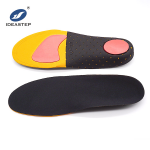
Custom foot molds translate defined foot geometry into physical models or production tooling for orthotic manufacturing. They provide a controlled reference for developing specific arch profiles, heel contours and forefoot structures. For orthotic laboratories, footwear manufacturers and private-label suppliers, mold accuracy directly affects product dimensions, tooling performance and production consistency.
Developing a custom mold requires more than reproducing a foot shape. Manufacturers must establish dimensional specifications, evaluate tooling materials, prepare production data and verify the mold under actual processing conditions. These requirements become particularly important when a project involves multiple sizes, customized structures or repeat production.
This article examines the technical and manufacturing considerations involved in custom foot mold development, from initial specifications to tooling validation and production control.

1. Define the Application and Function of the Mold
The intended application determines the mold’s construction, material and required precision. In orthotic manufacturing, custom foot molds generally serve several functions:
- Model development: Provide a physical reference for creating orthotic shapes and structural contours.
- Prototype verification: Support dimensional and structural evaluation before production tooling is finalized.
- Material forming: Serve as tooling for shaping selected materials into specified profiles.
- Custom production: Accommodate project-specific geometries, sizes and structural configurations.
- Repeat manufacturing: Maintain an approved dimensional reference across subsequent production batches.
These applications have different tooling requirements. A prototype model may only need to demonstrate the intended geometry, whereas production tooling must withstand repeated processing and maintain dimensional stability.
Manufacturers should establish the mold’s function before selecting its construction method. This decision also determines the required material properties, inspection criteria and tooling specifications.
2. Convert Orthotic Design Requirements into Technical Specifications
Custom mold development begins with measurable design information. Descriptions such as “high arch” or “deep heel” provide a general direction but cannot replace defined dimensions and reference points.
Dimensional Specifications
Technical specifications should identify the critical dimensions of the mold, including:
- Overall length and width
- Heel width and depth
- Arch height and position
- Forefoot width and contour
- Structural height and thickness
- Required dimensional tolerances
All measurements should follow consistent reference points and units. For multi-size projects, each size requires defined dimensions or an approved size-grading system.
Structural Geometry
Dimensional specifications define the mold’s size, while structural geometry determines its shape. Key features may include arch transitions, heel contours, forefoot profiles, posting angles and other product-specific details.
Technical drawings, 3D models and approved physical samples provide the basis for these requirements. Manufacturers should distinguish between reference samples and confirmed production specifications to avoid carrying unapproved dimensions into tooling.
Compatibility with the Finished Product
Mold geometry must correspond to the intended orthotic construction. Full-length and 3/4-length designs, for example, have different dimensional requirements. Shoe last geometry and available internal volume may also affect heel width, forefoot clearance and overall product thickness.
Reviewing these factors during the design stage helps prevent tooling discrepancies and unnecessary revisions later in development.
3. Prepare and Manage Digital Mold Data
Digital design data provides a consistent reference for mold development, machining and subsequent revisions. Its accuracy depends on both the original geometry and the way the files are prepared for manufacturing.
3D Model Preparation
A production-ready 3D model should contain complete geometry at the correct scale. Before processing, the design team should verify:
- Model orientation and coordinate references
- Overall dimensions and surface continuity
- Arch and heel geometry
- Left and right model identification
- File integrity and compatibility with production software
Incomplete surfaces, incorrect scaling and inconsistent reference points can affect machining accuracy or create errors during model conversion. These issues should be resolved before the file enters production.
File Version Control
Custom projects frequently involve design adjustments. Without clear version control, outdated files may be used for machining or tooling modifications.
Each model should have a unique identification number and revision record. Changes to dimensions, contours or tooling specifications should be documented and approved before production files are updated.
CAD and CNC Data Preparation
After design approval, the model is prepared for the selected manufacturing equipment. CNC machining requires appropriate tool paths, machining allowances and fixture arrangements. 3D printing requires compatible file formats and suitable build parameters.
Design review should therefore cover both geometric accuracy and manufacturing feasibility.
4. Select Tooling Construction for the Intended Production Process
Tooling construction should reflect the expected workload and processing conditions. A mold designed for prototype evaluation may not provide the durability or dimensional stability required for repeated production.
| Tooling Factor | Technical Consideration | Production Relevance |
|---|---|---|
| Tooling material | Rigidity, heat resistance and process compatibility | Affects durability and dimensional stability |
| Tool structure | Forming surfaces, support features and geometry | Determines compatibility with the intended process |
| Surface finish | Surface condition and finishing requirements | Influences component appearance and material release |
| Tool dimensions | Working dimensions and tolerances | Supports consistent product geometry |
| Positioning system | Fixture arrangement and alignment references | Reduces setup variation between production runs |
Prototype Tooling
Prototype tooling supports early-stage design verification. It allows manufacturers to assess mold geometry, material compatibility and process feasibility before finalizing production tooling.
For projects involving frequent design revisions, prototype testing can also identify structural issues before additional tooling investment.
Production Tooling
Production tooling requires defined specifications for material performance, working dimensions, expected usage and maintenance. Its construction must match the temperature, pressure and other conditions of the intended forming process.
Tooling selection should be based on the actual production requirements rather than appearance alone.
5. Validate Mold Accuracy Before Production
Completing a digital model or machining a physical tool does not confirm that the mold is ready for production. Validation must compare the finished tooling and its output against the approved technical specifications.
Dimensional and Geometric Inspection
Inspect critical measurements and surface contours against the approved drawing or digital model. The arch, heel and forefoot sections require particular attention because deviations in these areas can change the finished component geometry.
Material and Process Compatibility
When the mold is used for forming operations, its performance should be evaluated under the specified processing conditions. Temperature exposure, forming pressure, material behavior and release characteristics can all affect the result.
Finished Component Inspection
Components produced from the mold should be checked for dimensional accuracy, surface defects, shape retention and overall conformity to the approved design. For multi-component orthotic products, assembly fit and component positioning should also be verified.
Revision and Approval
Any deviation from the approved specifications should be recorded and reviewed. Manufacturers can then revise the digital model or tooling and produce another sample for evaluation.
The final mold and sample specifications should receive approval before mass production begins.
6. Maintain Tooling Accuracy During Repeat Production
After approval, tooling management becomes part of routine production control. Manufacturers need to preserve the original design reference, monitor mold condition and maintain consistent operating procedures.
Key controls include:
- Design documentation: Retain approved drawings, digital models and revision histories.
- Tool identification: Assign unique IDs and link each mold to its product model and size.
- Dimensional inspection: Monitor critical measurements at defined production stages.
- Tool condition monitoring: Check working surfaces for wear, damage and deformation.
- Process records: Document relevant operating parameters and approved production conditions.
- Change control: Review and authorize tooling modifications before implementation.
These measures are particularly relevant to manufacturers handling multiple sizes, customized product configurations and recurring wholesale orders. Consistent tooling records also make it easier to investigate dimensional deviations between batches.
7. Common Challenges in Custom Foot Mold Manufacturing
Most tooling problems can be traced to incomplete technical information, inconsistent design data or insufficient process verification.
| Common Issue | Possible Cause | Recommended Control |
|---|---|---|
| Incorrect mold dimensions | Unclear measurements or inconsistent reference points | Use approved drawings with defined units and measurement locations |
| Left-right model discrepancies | Incorrect file identification or duplicated geometry | Maintain separate model references and inspect both sides |
| Mold and component mismatch | Insufficient consideration of material behavior or forming conditions | Validate tooling with the intended material and process |
| Variation between production batches | Tool wear, uncontrolled revisions or setup differences | Maintain tooling records and scheduled dimensional inspections |
| Repeated prototype revisions | Incomplete specifications or unclear approval criteria | Confirm technical requirements before prototype production |
Identifying these issues during development helps reduce tooling adjustments, production interruptions and avoidable material waste.

8. Custom Foot Molds for OEM and ODM Manufacturing
OEM and ODM orthotic projects often involve different product structures, size ranges and customer specifications. Custom foot molds may be required to develop a new product, modify an existing design or establish a stable tooling reference for ongoing production.
To support technical evaluation, B2B buyers should provide:
- Product application and intended construction
- Technical drawings, 3D files or physical reference samples
- Required sizes and dimensional specifications
- Critical structural features and tolerances
- Estimated production quantity and repeat-order requirements
- Preferred tooling material or manufacturing method, where applicable
These details allow the manufacturing team to assess tooling feasibility, identify missing information and determine an appropriate development process.
Ideastep supports B2B custom orthotic insole development and manufacturing. Our team can review technical drawings, reference samples and product specifications to discuss suitable production arrangements. OEM and ODM cooperation can also include material selection, structural customization and private-label requirements.
Discuss Your Custom Foot Mold Project
Precision in custom foot mold manufacturing depends on accurate design data, suitable tooling construction and verification under actual production conditions. Clear specifications and controlled revisions help maintain dimensional consistency and reduce problems during repeat manufacturing.
For orthotic laboratories, wholesalers and footwear manufacturers developing customized products, early coordination between design and production teams provides a stronger foundation for reliable manufacturing.
Contact Ideastep to discuss your technical drawings, tooling requirements and custom orthotic manufacturing plans.
Browse Related Products: https://www.aideastep.com/product/ideastep-customized-eva-foot-mold-box-for-custom-insoles/.