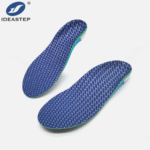
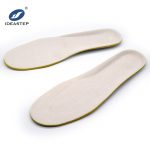
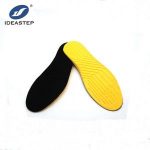
Orthotic insoles often combine several materials to achieve the required support, cushioning, flexibility, and durability. Common choices include EVA, PU, PORON, TPU, polypropylene (PP), and various textile materials. However, selecting suitable materials is only part of the process. Their compatibility, processing requirements, thickness, and bonding performance also affect the final product.
For insole manufacturers, a reliable supply of orthotic materials is essential for maintaining consistent production quality. In addition, having access to different material types and supply formats makes it easier to develop products for different applications and production requirements.
1. Key Materials Used in Orthotic Insole Manufacturing
Different materials serve different purposes in orthotic insole construction. Therefore, manufacturers should understand their properties before selecting materials for a particular design.
EVA Foam
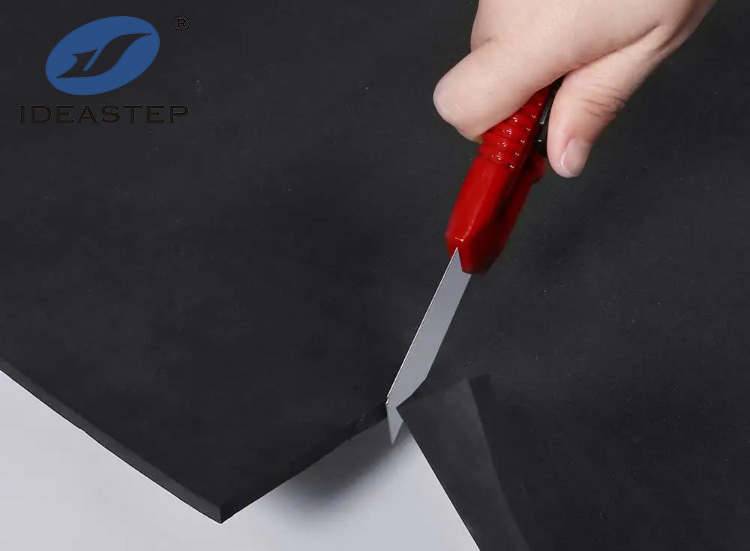
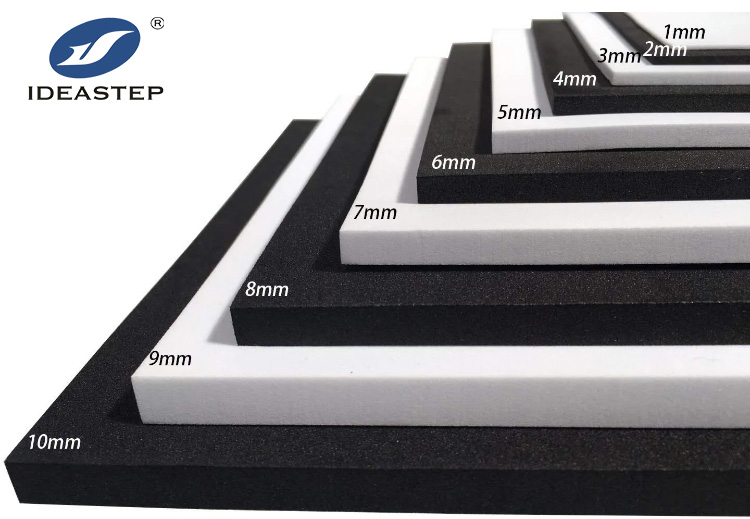
EVA foam is widely used in orthotic insoles because of its lightweight structure, cushioning properties, and processing flexibility. It is available in different densities, hardness levels, and thicknesses, making it suitable for a range of insole constructions.
Depending on the product requirements, manufacturers can use EVA as a base layer, cushioning layer, or structural component. It is also suitable for cutting, CNC milling, and molding processes.
PU and PORON
PU foam provides cushioning and flexibility, while PORON is commonly selected for its shock absorption and compression recovery properties. Both materials are used in insole constructions where localized cushioning and pressure distribution are important design considerations.
Compared with standard foam materials, these options can provide different levels of softness and resilience. As a result, they are often combined with EVA or other structural materials to create multi-layer insoles.
TPU and Polypropylene (PP)
TPU is valued for its flexibility, elasticity, and abrasion resistance. In orthotic insole manufacturing, it can be used in support components, reinforcement structures, and other functional parts.
Polypropylene (PP), on the other hand, is commonly used for semi-rigid or rigid support shells. Its forming characteristics make it suitable for thermoformed orthotic components. The choice between TPU and PP depends on the required stiffness, geometry, and manufacturing process.
Top Cover Materials
Textile materials, microfiber, mesh, and other fabric options are commonly used as insole top covers. Besides influencing the surface feel, these materials can affect moisture management, wear resistance, and the overall appearance of the finished product.
For this reason, manufacturers should evaluate top cover materials together with the foam and structural layers rather than treating them as separate purchasing items.
2. Common Material Combinations for Orthotic Insoles
Many orthotic insole designs use more than one material. Combining different layers allows manufacturers to balance cushioning, support, flexibility, and surface properties within a single product.
| Material Combination | Typical Application or Function |
|---|---|
| EVA + Fabric | Lightweight base construction with a textile top cover |
| EVA + PU | Combines structural cushioning with additional softness |
| EVA + TPU | Adds flexible reinforcement or support components |
| EVA + PP + Fabric | Combines a semi-rigid support shell with cushioning and a finished surface |
| PU + PORON + Fabric | Provides layered cushioning with a textile top cover |
| Carbon Fiber + EVA | Combines a lightweight composite support component with foam cushioning |
The most suitable combination depends on the intended insole structure and performance requirements. For example, a design requiring firmer arch support may use a PP or composite component, while additional EVA or PU layers can provide cushioning.
However, material combinations should not be selected based on function alone. Processing compatibility and bonding performance must also be considered before production begins.
3. Material Compatibility and Layer Construction
Using several materials in one insole requires careful consideration of how each layer interacts with the others. Even when individual materials meet their specifications, an unsuitable combination may cause problems during manufacturing or use.
Several factors deserve attention:
- Hardness and flexibility: Adjacent layers should provide the intended balance between support and cushioning without creating unwanted deformation.
- Thickness and dimensions: Consistent thickness helps maintain the designed profile and reduces variation between finished products.
- Bonding compatibility: Different foam, plastic, and textile materials may require specific adhesives or surface preparation methods.
- Processing requirements: Cutting, molding, thermoforming, and lamination processes must match the characteristics of the selected materials.
- Edge finishing: Layer thickness and material structure can influence trimming, bonding, and the appearance of the finished edges.
In practice, manufacturers should test the complete material combination rather than evaluating each layer independently. This approach helps identify bonding or processing issues before moving to bulk production.
4. Material Supply Formats
Orthotic materials are available in several formats to support different manufacturing processes. Choosing the right format can improve material utilization and production efficiency.
| Material Type | Common Supply Format | Typical Use |
|---|---|---|
| EVA Foam | Sheets and blocks | Cutting, CNC milling, molding, and cushioning layers |
| PU Foam | Sheets and other processed forms | Cushioning layers and localized support |
| PORON | Sheets and rolls | Shock-absorbing and cushioning components |
| TPU | Sheets and components | Flexible support and reinforcement parts |
| PP | Sheets | Thermoformed support shells and structural components |
| Fabric | Rolls | Top covers and laminated surface layers |
For example, sheets and blocks are useful for manufacturers using cutting or CNC milling processes. Meanwhile, roll materials can be more convenient for continuous cutting and lamination operations.
Ultimately, the supply format should match the factory’s equipment, production volume, and material utilization requirements.
5. Specifications to Confirm Before Purchasing
Before placing a bulk order, buyers should confirm the technical specifications of each material. Clear requirements help reduce inconsistencies between samples and production batches.
Important specifications include:
- Density and hardness: These properties influence cushioning, stiffness, and material behavior during processing.
- Thickness and tolerance: Consistent dimensions are important for accurate layer construction and finished product profiles.
- Compression properties: Compression recovery and compression set help indicate how foam materials respond to repeated loading.
- Dimensional consistency: Stable material dimensions support repeatable cutting, molding, and assembly.
- Surface condition: Buyers should check for visible defects, contamination, or uneven surfaces.
- Color and appearance: Consistent color and surface quality are particularly important for products with defined appearance requirements.
- Technical documentation: Material specifications and relevant test reports help manufacturers evaluate suitability and maintain purchasing records.
In addition, samples should be checked using the intended production process whenever possible. This provides a more practical assessment than relying on specification sheets alone.
6. Managing Material Supply for Bulk Production
Material purchasing becomes more complex when several components are required for the same insole model. Therefore, manufacturers need a consistent approach to sourcing, inspection, and inventory management.
First, establish standard specifications for each material used in production. This makes it easier to compare suppliers and maintain consistent product requirements.
Next, control material substitutions carefully. Although an alternative material may have similar specifications, differences in density, hardness, thickness, or bonding behavior can affect the finished construction.
At the same time, coordinate material delivery schedules with production plans. Delays in one component can interrupt the assembly of an entire insole model, especially when several layers need to be processed together.
Finally, maintain records of material batches and incoming inspections. These records help manufacturers trace potential quality issues and manage repeat orders more effectively.
7. Choosing an Orthotic Material Supplier
A suitable supplier should provide more than a selection of materials. Consistent specifications, dependable supply, and clear technical communication are equally important for long-term cooperation.
When evaluating an orthotic material supplier, buyers should consider the following:
- Material range: Access to EVA, PU, PORON, TPU, PP, and textile materials can simplify sourcing for different insole constructions.
- Specification options: Different densities, hardness levels, thicknesses, and formats help manufacturers match materials to product requirements.
- Supply consistency: Stable material quality is important for repeat orders and large-volume production.
- Technical support: Clear product information and sample availability help buyers assess materials before purchasing.
- Wholesale capacity: The supplier should be able to support the required order quantities and production schedules.
- Communication and documentation: Accurate specifications and timely responses make purchasing and quality management more efficient.
Before confirming a long-term order, buyers should evaluate samples and verify that the supplied materials meet their production requirements. This step helps establish a more reliable basis for ongoing cooperation.
Conclusion
Orthotic material sourcing involves more than choosing individual foam or plastic materials. Manufacturers also need to consider material combinations, layer compatibility, processing requirements, and supply consistency.
With a suitable range of materials and clearly defined specifications, insole manufacturers can manage product development and bulk production more effectively.
Ideastep supplies orthotic insole materials, including EVA, PU, and other material options for different insole constructions. Contact our team to discuss your material requirements, wholesale orders, or OEM/ODM projects. Free samples are available upon request.
Related product links: https://www.aideastep.com/eva/.