Dual density EVA trap blocks are used in orthotic and footwear component manufacturing where different foam characteristics are required within one material structure. By combining high-density and low-density EVA, manufacturers can work with two material layers in a single block during CNC milling and component fabrication.
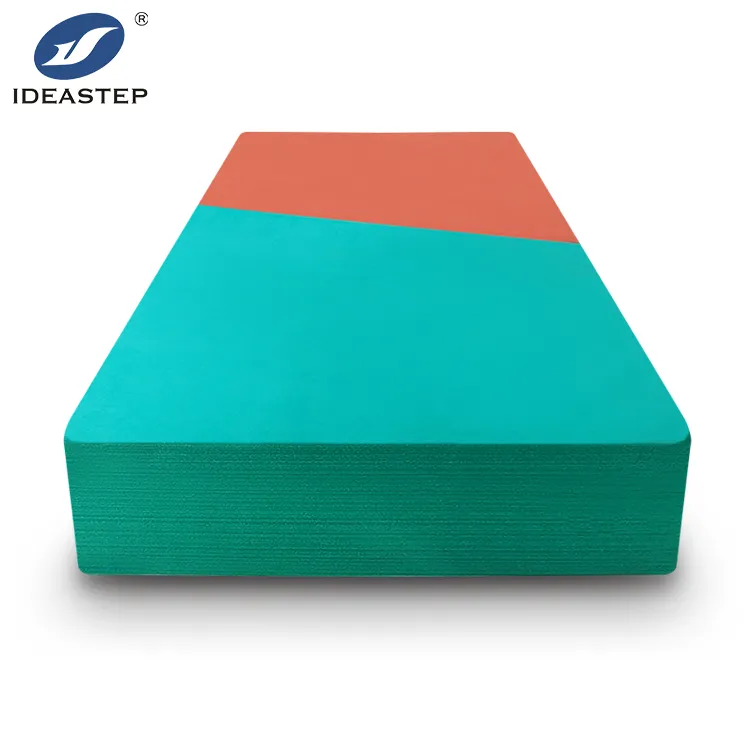
IDEASTEP Custom Dual Density EVA Trap Blocks feature a red high-density EVA layer and a green low-density EVA layer, bonded through a special glue lamination process. With customizable hardness and material configurations, they are developed for orthotic laboratories, CNC milling facilities, and footwear component manufacturers.
This article covers the block construction, lamination process, CNC milling applications, and key considerations for wholesale buyers sourcing dual density EVA materials.
Understanding Dual Density EVA Trap Blocks
Unlike single-density EVA blocks, dual density EVA trap blocks combine two foam layers with different material properties. This construction allows manufacturers to incorporate different levels of firmness and cushioning within one laminated block.
High-Density and Low-Density EVA Layers
The IDEASTEP dual density EVA block consists of two distinct layers:
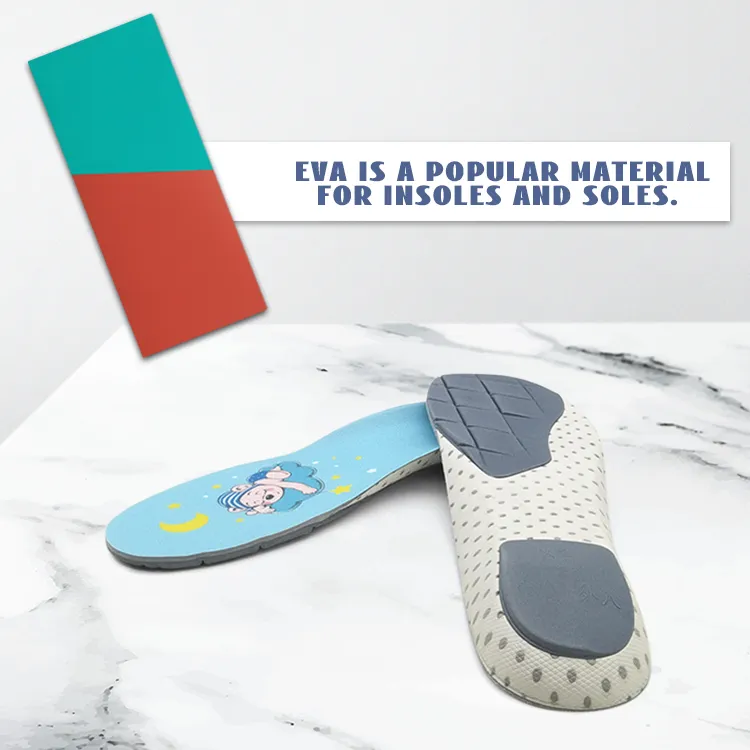
- Red EVA: High-density foam with a firmer material structure.
- Green EVA: Low-density foam with a softer material structure.
Combining these layers provides manufacturers with more flexibility when developing components that require different material characteristics. Hardness can also be customized according to application and production requirements.
The contrasting red and green colors make the two layers easy to identify during material handling and processing.
Benefits of Dual Density Construction
Orthotic components often require different levels of firmness across specific areas. A dual density structure brings two EVA material characteristics together in one block, providing an alternative to processing separate foam materials individually.
For CNC milling facilities and orthotic laboratories, this laminated construction can be evaluated for customized components with different material requirements.
Laminated Construction and Bonding Process
Bonding quality is an important consideration in dual density EVA block manufacturing. The two layers need to remain integrated during material handling, cutting, and subsequent CNC machining.
Special Glue Lamination
IDEASTEP uses a special glue lamination process to bond the red high-density EVA and green low-density EVA layers into one integrated block.
This construction provides a combined material base for CNC milling and component fabrication. Buyers should evaluate the bonding quality through sample inspection and machining trials before confirming bulk orders.
Layer Integration for CNC Processing
The laminated structure allows manufacturers to machine components incorporating both EVA layers according to the required design. This is relevant to production processes where different material characteristics are needed within one component.
Machining results depend on block specifications, CNC parameters, and component geometry. Buyers should test samples using their actual equipment and production methods to confirm compatibility.
Custom Hardness and EVA Material Specifications
Material requirements vary across orthotic laboratories, footwear manufacturers, and CNC processing facilities. Hardness, block dimensions, and layer configuration should therefore be confirmed before production.
Customizable Hardness
IDEASTEP offers customizable hardness to accommodate different project requirements. Buyers can discuss the desired material characteristics of each layer based on component design and machining needs.
Providing clear hardness specifications during the inquiry stage helps establish suitable material configurations before production.
Block Dimensions and Material Configuration
Block dimensions affect material handling, machine compatibility, and production planning. Buyers should confirm the required length, width, and height according to their CNC equipment and component designs.
Layer thickness and material configuration can also be discussed during customization, subject to manufacturing feasibility.
CNC Milling Applications of Dual Density EVA Blocks
Dual density EVA blocks are suitable for evaluation in manufacturing processes that involve cutting, shaping, and milling foam materials into customized components.
CNC-Milled Orthotic Insoles
Orthotic laboratories use CNC milling to produce customized insole components from foam materials. Dual density EVA blocks provide an option for designs that incorporate different material characteristics within one component.
The red and green laminated layers form a combined material structure that can be machined according to the required insole design.
Orthotic and Prosthetic Components
Selected orthotic and prosthetic fabrication projects require materials with different firmness characteristics. Dual density EVA blocks can be evaluated for components where a laminated foam structure meets the technical and fabrication requirements.
Material suitability should be confirmed according to the specific component design and processing method.
Specialized Footwear Components
Footwear component manufacturers may also consider laminated EVA materials for specialized foam components. The combination of two EVA layers provides another material option for designs requiring different characteristics within one structure.
What Buyers Should Consider When Sourcing EVA Trap Blocks
When sourcing EVA trap blocks, manufacturers and distributors should review more than product appearance. Material specifications, bonding quality, machining compatibility, and bulk supply arrangements all matter when evaluating a supplier.
Material Hardness and Density
Confirm the hardness and density requirements of each EVA layer separately. Since the two layers have different material characteristics, their specifications should be clearly defined before production.
For customized orders, buyers should provide the intended application and relevant material parameters to help determine the appropriate configuration.
Lamination Quality
The bond between the two EVA layers is important during subsequent processing. Buyers should inspect the laminated structure and evaluate whether the layers remain properly integrated during their machining procedures.
Sample testing is recommended before proceeding with larger orders.
Block Dimensions and CNC Compatibility
Confirm block dimensions and machining requirements with the supplier. Material size should match the available CNC equipment and production workflow.
Buyers should also consider the orientation of the laminated layers during milling to ensure the material configuration matches the intended component design.
MOQ and Bulk Supply
Before placing an order, clarify the minimum order quantity, measurement unit, block specifications, production lead time, and shipping arrangements.
The current MOQ for IDEASTEP Custom Dual Density EVA Trap Blocks is listed as 3 cubic, with the exact measurement unit to be confirmed. Buyers should verify this detail with the sales team before ordering.
IDEASTEP Dual Density EVA Trap Blocks Wholesale Supply
IDEASTEP supplies EVA foam materials and orthotic insole components to professional manufacturers, CNC milling facilities, orthotic laboratories, and wholesale distributors.
Model 1# Custom Dual Density EVA Trap Blocks feature a red high-density EVA layer and a green low-density EVA layer, joined through a special glue lamination process. Customizable hardness and material configurations support different component and manufacturing requirements.
Product Specifications
| Item | Specification |
|---|---|
| Brand | IDEASTEP |
| Product Name | Custom Dual Density EVA Trap Blocks |
| Model Number | 1# |
| Material | EVA Foam |
| Structure | Dual Density Laminated Construction |
| Layer Colors | Red and Green |
| Hardness | Customizable |
| Bonding Method | Special Glue Lamination |
| Processing | CNC Milling |
| MOQ | 3 Cubic (Unit to Be Confirmed) |
| Applications | Orthotic Components, Insoles, Footwear Materials |
| Place of Origin | China |
| Port | Xiamen |
For OEM and wholesale projects, buyers can discuss hardness requirements, block dimensions, layer configurations, and order quantities with the IDEASTEP team.
Contact IDEASTEP to request product specifications, discuss customized EVA materials, or inquire about bulk supply.
Product links: https://www.aideastep.com/product/ideastep-custom-dual-density-eva-trap-blocks-with-red-and-green-layers/.