Custom molded foot inserts depend on precise mold geometry to achieve the required shape, support profile and dimensional consistency. From arch contour and heel cup depth to material thickness and edge transitions, every design feature influences the finished structure.
For orthotic manufacturers and footwear brands, mold development is an important part of product engineering. It requires coordination between foot-shape data, material properties, forming methods and footwear specifications.
1. The Role of Mold Design in Custom Foot Inserts
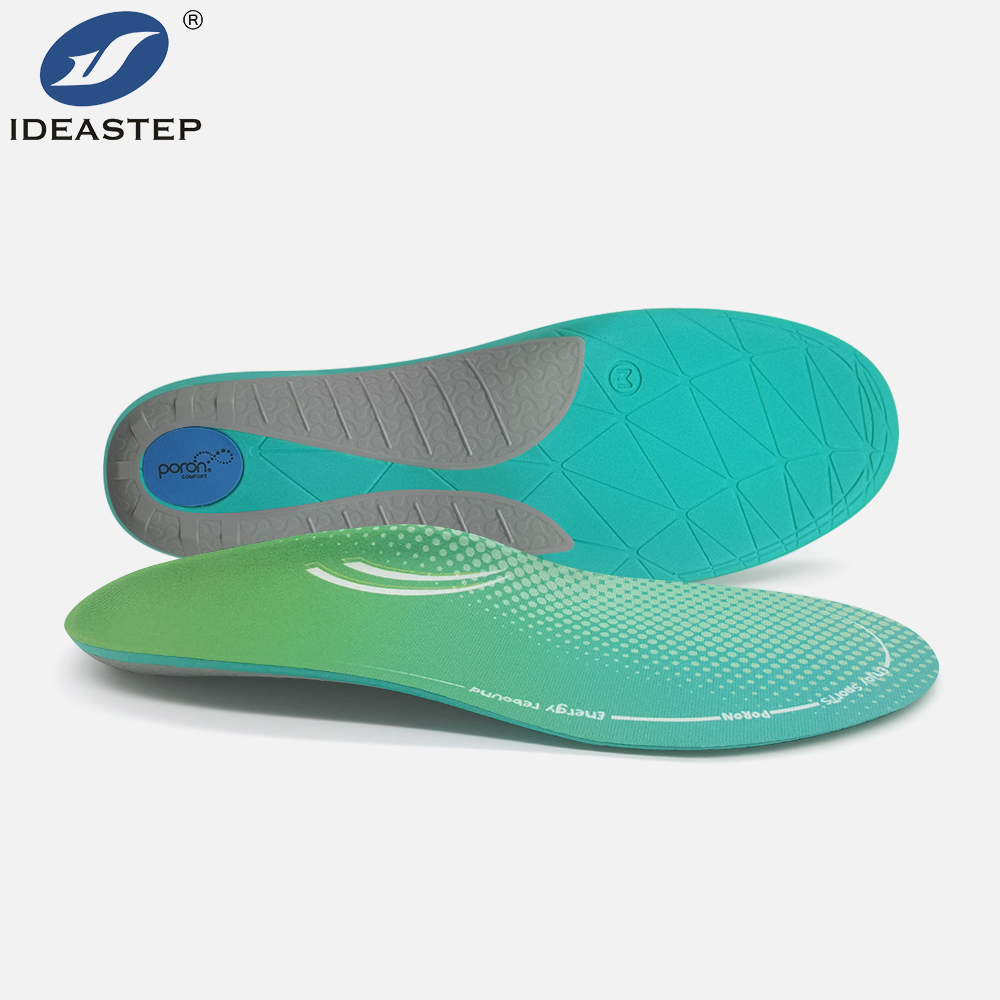
The mold defines the three-dimensional profile of a custom molded insert. Its geometry controls several key structural features:
- Arch contour: Defines arch height, length and support profile.
- Heel cup: Determines rearfoot depth, width and sidewall shape.
- Forefoot profile: Controls front-section thickness and curvature.
- Edge transitions: Connect different structural zones and define the finished outline.
- Overall dimensions: Affect material distribution and footwear compatibility.
These features must work together to achieve the intended structure. For example, changes in arch height or heel cup depth may require adjustments to the surrounding geometry. Therefore, mold design should consider the entire insert rather than treating each support area separately.
2. Converting Foot Data into Mold Geometry
Mold development starts with reference data that defines the required foot shape and product structure. The quality of this data directly affects the accuracy of the digital model.
Foot Shape Measurement
Depending on the project, manufacturers may use plaster casts, foam impressions or 3D foot scans. Each method provides a different reference for mold development.
Physical impressions capture foot contours under specific positioning conditions. In comparison, 3D scanning provides digital surface data that can be used directly in CAD modeling. The appropriate method depends on the required accuracy, product design and manufacturing process.
3D Modeling and Design Parameters
After collecting the reference data, the design team converts it into a digital model. Key parameters typically include:
- Arch height and curvature
- Heel cup depth and width
- Forefoot shape and thickness
- Medial and lateral support profiles
- Edge thickness and overall dimensions
These parameters must reflect the intended product construction. For instance, a semi-rigid orthotic insert requires a different structural profile from a soft foam-molded insert.
Design Validation
Before mold production, the CAD model should undergo dimensional and structural checks. This step helps identify unsuitable forming depths, abrupt transitions and potential conflicts between material layers.
Once the digital design is approved, prototype samples can be produced to verify the actual profile. Any necessary adjustments should be completed before moving to mass production.
3. Mold Features That Shape Fit and Support
The geometry of each section influences the finished insert in a different way. However, the relationship between these sections is equally important.
Arch Height and Contour
Arch geometry determines the height, length and curvature of the support area. These parameters should match the product’s design requirements and work with the selected shell material.
In addition, the transition between the arch and surrounding areas needs careful attention. Abrupt changes in contour or thickness can affect the finished profile and complicate material forming. For this reason, arch geometry should be evaluated together with shell stiffness and overall construction.
Heel Cup Depth and Width
The heel cup is defined by its depth, width and sidewall angle. Together, these dimensions determine the shape of the rearfoot section and its containment structure.
A deeper cup creates higher rearfoot sidewalls, while a wider profile changes the available heel seating area. Meanwhile, the transition between the heel seat and arch section should remain consistent with the overall mold design.
Forefoot Shape and Thickness
Forefoot geometry must account for insert thickness, cushioning requirements and available footwear space. These factors are particularly important when developing low-profile insoles.
For sports and work footwear, manufacturers often need to balance structural support with limited internal volume. Therefore, material thickness and forefoot curvature should be considered during the initial design stage rather than adjusted after forming.
Edge Profile and Surface Transitions
Edge geometry affects trimming, assembly and the final dimensions of the insert. Consistent thickness helps maintain the intended product profile, while smooth transitions reduce unnecessary variations between structural zones.
As a result, edge design should be included in the original CAD model instead of being treated as a secondary finishing detail.
4. Material Selection and Mold Compatibility
Material properties directly influence mold design and forming conditions. Density, hardness, flexibility and thermal response all need to be considered before finalizing the mold. The following materials are commonly used in custom molded foot inserts, either individually or in combination.
EVA Foam
With its low weight and adjustable density and hardness, EVA is widely used in molded insole construction. Depending on the required structure, it can serve as a cushioning layer or a formed component.
The selected hardness and thickness should match the mold profile and intended application. During production, forming conditions also need to remain consistent to minimize dimensional variation.
Polyurethane (PU) Foam
For applications requiring cushioning and resilience, PU foam is a common material choice. Its density and formulation influence compression behavior, recovery and the overall feel of the finished construction.
Unlike rigid support materials, PU foam needs to be evaluated according to its compression and expansion characteristics. Consequently, mold dimensions and processing parameters should account for material behavior during production.
Thermoplastic Materials
When a defined support structure is required, manufacturers often use thermoplastic materials such as polypropylene (PP) and thermoplastic polyurethane (TPU).
Both materials can be formed into support shells, but their stiffness, flexibility and forming requirements differ. PP is commonly selected for relatively rigid structural components, while TPU offers different flexibility options depending on its formulation and thickness.
For this reason, material selection should be completed before the final mold specifications and thermoforming parameters are confirmed.
Multi-Layer Construction
Rather than relying on a single material, many custom molded foot inserts use a combination of components to achieve the required structure.
A typical construction may include:
- Top cover: Provides the surface layer and moisture management.
- EVA or PU foam: Adds cushioning and helps control overall thickness.
- PP or TPU shell: Provides the defined support structure.
- Additional cushioning elements: Used in selected areas according to product specifications.
Each layer affects the final dimensions of the assembled insert. Therefore, mold development must account for material thickness, bonding allowances and component alignment. Otherwise, the finished profile may differ from the approved design.
5. Mold Manufacturing and Forming Processes
Once the digital design and material specifications are confirmed, the next stage is mold production and component forming. The selected process depends on the material, mold structure and production requirements.
CNC Mold Manufacturing
CNC machining converts CAD designs into physical molds with controlled dimensions and surface contours. This process supports the production of complex shapes and provides a consistent reference for subsequent forming operations.
Before machining, the design should be reviewed for forming depth, edge geometry, material compatibility and production feasibility. In this way, potential design problems can be addressed before tooling begins.
Thermoforming
Thermoforming is commonly used to produce thermoplastic support shells. The material is heated, shaped over a mold and then cooled to retain the required profile.
Consistent heating, forming pressure and cooling conditions are essential. Otherwise, process variations may cause deformation, uneven thickness or dimensional differences between batches.
Foam Molding
EVA and PU components are manufactured through different molding processes, depending on their formulations and product construction.
The mold and process parameters must account for material expansion, compression and dimensional changes during production. Therefore, material trials are useful when establishing suitable processing conditions for a new design.
Trimming and Layer Assembly
After forming, components are trimmed to the specified outline and assembled into the finished insert.
At this stage, trimming accuracy, component alignment and bonding conditions directly affect product dimensions and assembly quality. Consistent inspection also helps identify defects before final packaging.

6. Quality Control and Dimensional Consistency
Accurate tooling is only one part of production control. Manufacturers also need clear inspection standards throughout forming and assembly.
Key quality checks include:
- Dimensions: Verify length, width, thickness and critical structural measurements.
- Molded profile: Check arch contour, heel cup depth and overall shape against the approved design.
- Material properties: Inspect hardness, density and thickness according to specifications.
- Forming quality: Identify surface defects, wrinkles, cracks and deformation.
- Bonding: Check adhesion between layers and component alignment.
- Batch consistency: Compare production samples with approved references and product specifications.
For OEM and wholesale production, approved samples and documented specifications provide a reliable reference for repeat orders. In addition, regular inspection helps identify process variations before they affect larger production batches.
7. Mold Design for Different Footwear Applications
Mold specifications vary according to product construction and footwear requirements. As a result, the intended application should be defined before the mold is finalized.
| Application | Main Design Considerations |
|---|---|
| Medical and orthotic products | Arch contour, heel cup geometry and shell rigidity |
| Sports footwear | Lightweight construction, cushioning distribution and profile thickness |
| Work and safety footwear | Durability, material thickness and internal shoe space |
| Casual footwear | Overall profile, flexibility and layer construction |
| Private-label projects | Custom specifications, size range and production consistency |
These differences influence both mold geometry and material selection. Therefore, early coordination between product designers and manufacturing teams can reduce unnecessary revisions.
8. Key Considerations When Sourcing Custom Molded Foot Inserts
For orthotic brands, distributors and footwear manufacturers, supplier evaluation should cover mold development as well as production capabilities.
Important points include:
- Mold development based on 3D files, physical samples or foot-shape references
- Adjustable arch profiles, heel cup dimensions and shell stiffness
- Available EVA, PU, PP and TPU material options
- Prototype sampling and mold revision capabilities
- Tooling costs, ownership and modification arrangements
- Production capacity, MOQ and lead time
- Documented inspection standards for repeat orders
In addition, tooling arrangements should be clarified before development begins. This includes mold ownership, revision costs and the handling of design changes. Clear specifications at this stage help reduce development delays and improve production efficiency.
9. Custom Molded Foot Inserts for OEM and Wholesale Production
Custom molded foot inserts require coordinated development of mold geometry, material structure and forming processes. Accurate specifications and controlled manufacturing are essential for maintaining consistent quality across production batches.
Ideastep supports custom insole development and bulk manufacturing for orthotic brands, footwear manufacturers and distributors. Projects can be developed around specific arch profiles, heel cup structures, material combinations and footwear applications.
For new product development or OEM projects, share your drawings, samples or technical specifications with our team. We can discuss mold design, material selection and sample development. Free samples are available for qualified project evaluation.
Related Reading: Carbon Fiber Foot Insoles Core Performance Factors For Wholesale Buyers.