How Cooling Conductive Fabric Tops Create New Product Opportunities for OEM Insole Builders
Standard insole fabrics mostly handle basic moisture wicking. They cannot manage static dissipation or steady thermal regulation, which limits your product lineup for industrial, ESD and performance footwear buyers. Cooling conductive fabric insoles merge heat dispersion, sweat transfer and controlled static discharge within one integrated top layer. This simple fabric upgrade lets you expand your catalog without overhauling your existing cutting, milling or 3D printing production lines.
For OEM insole manufacturers, this material opens access to high-margin niche orders. Safety footwear brands, electronics assembly facilities, outdoor workwear suppliers and smart footwear developers all seek this type of insole. Many of these buyers struggle to find reliable suppliers that balance cooling comfort and consistent conductive performance across large production runs.
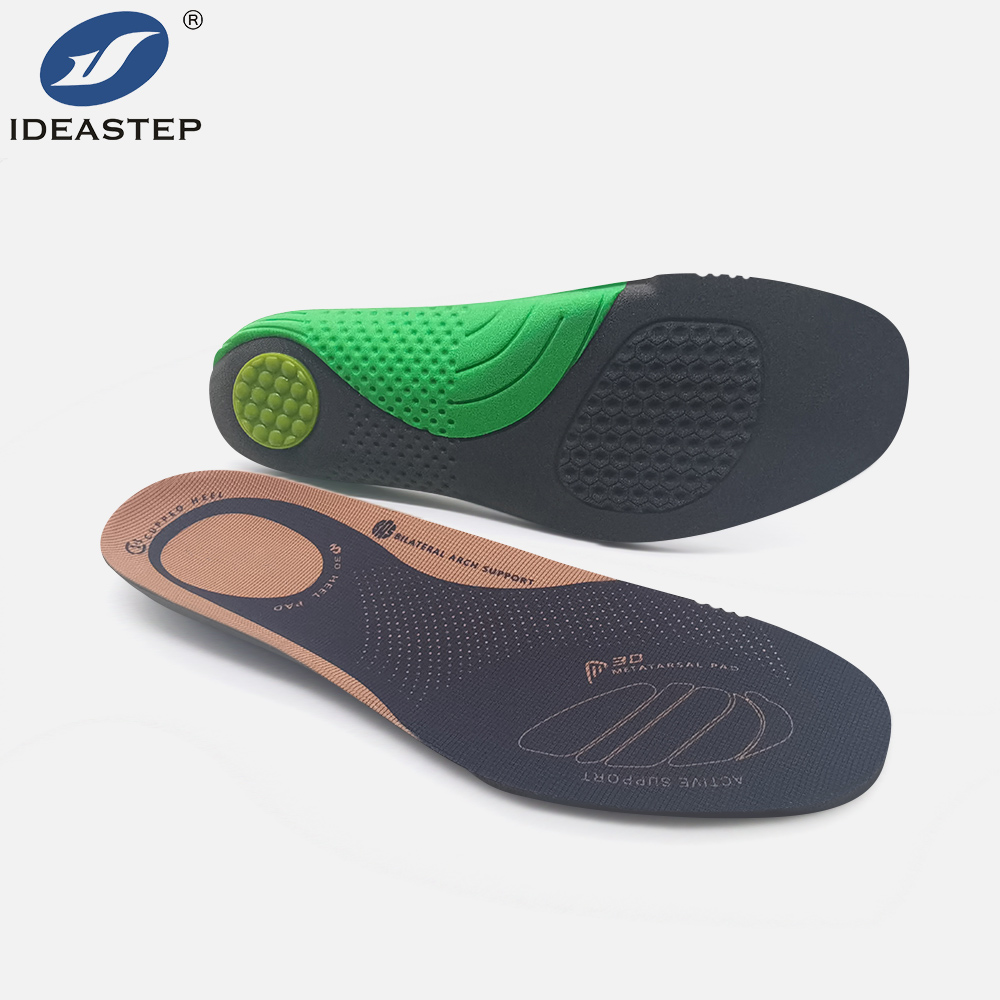
Key Functional Traits That Shape OEM Specifications
Not all conductive fabrics perform the same. Many low-cost options lose conductivity after repeated washing, or trap heat instead of releasing it. Our cooling conductive fabric holds three critical attributes suited for volume OEM production:
- Embedded conductive fiber structure that disperses static steadily, unlike thin surface coatings that wear away quickly
- Open weave construction that pulls heat and sweat away from the foot surface and speeds evaporation
- Smooth, low-friction surface resistant to pilling, compatible with orthotic, cushion or flat base substrates
These characteristics make the fabric suitable for static-sensitive work zones and hot, high-sweat environments alike. You can specify the same fabric across comfort insoles, orthotic footbeds and custom molded pairs, so your sales team can quote consistent specs across different customer lines.
Commercial Benefits for OEM Insole Makers
Footwear brands and medical distributors increasingly request multi-functional insole materials, yet most OEM factories only stock standard mesh, PU or vinyl top sheets. Adding cooling conductive fabric insoles gives you a clear competitive edge when bidding new projects.
- Keep your existing substrate workflow: pair this fabric with EVA, PORON, carbon composite or 3D printed bases
- Customise fabric colour, thickness, antimicrobial treatment and logo marking within a single batch
- Access ESD and safety footwear test reports ready for your customers’ certification files
- Flexible order volumes, from small sample validation batches to full container production runs
We supply complete material documentation and third-party test data. Your team can forward these records directly to brand clients, safety auditors and compliance teams without extra lab work.
Modular Build Options for Different OEM Customer Groups
You can configure cooling conductive fabric insoles to match what your buyers sell. Our modular stacking setup removes the need for separate tooling for every variant:
- ESD safety insoles: conductive fabric + conductive foam base for electronics, cleanroom and manufacturing footwear
- Industrial work cooling insoles: conductive fabric + shock-absorbing PU for long-shift standing staff
- Outdoor and performance insoles: conductive fabric + lightweight EVA for hiking, tactical and summer sports lines
- Custom orthotic insoles: conductive fabric top over rigid or semi-rigid shells for clinics and podiatry brands
The fabric bonds cleanly with common adhesives and cuts smoothly on standard die-cut or CNC milling gear. It preserves cooling and conductive performance after repeated washing — a key benchmark your customers will verify during product testing.
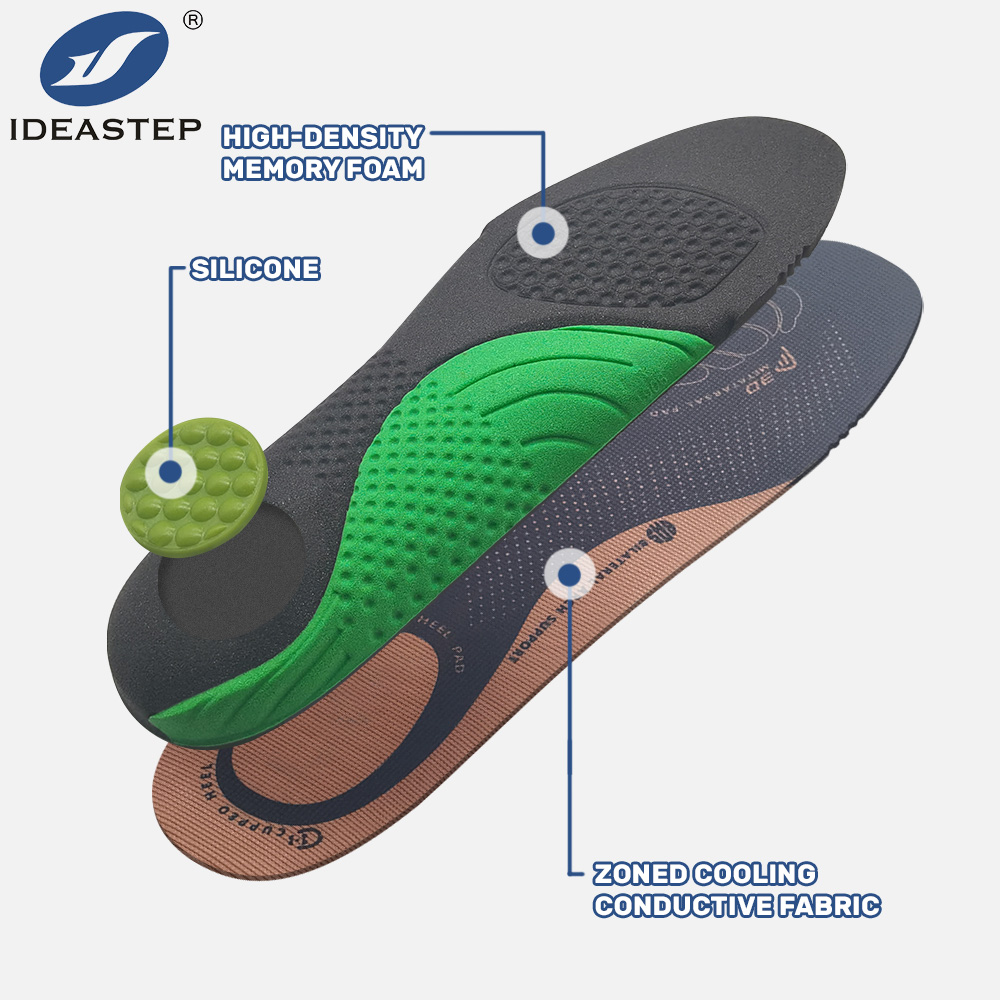
OEM Sample and Production Workflow
We start with fabric swatches and pre-production samples matched to your chosen base substrate. You test the fabric for bonding, durability, conductivity and heat release before locking final specs. Once you approve samples, we ship fabric rolls or pre-cut top layers to your facility, or complete full insole fabrication under your private label.
We maintain stable fabric resistance and thermal performance across batches. Consistency is vital for OEM customers selling certified safety footwear, where fluctuating conductivity can trigger audit failures and delay product launches. Every shipment includes batch test records for traceability.
Target Buyer Segments for This Functional Insole Line
Many OEM insole manufacturers focus heavily on sports or casual comfort lines. Cooling conductive fabric insoles unlock new buyer categories: safety footwear brands, ESD shoe suppliers, industrial workwear distributors, smart footwear developers and orthotic brands serving factory workers. Most of these buyers place repeat bulk orders and stick with suppliers that deliver reliable functional materials.
You can bundle this offering alongside other top-sheet materials, orthotic substrates and custom printing services to build larger, higher-value OEM packages.
Kick Off Your OEM Sourcing of Cooling Conductive Fabric Insoles
Whether you plan to add a new functional material to your insole catalog or fulfil large branded orders for safety and performance footwear, cooling conductive fabric insoles help you stand out from competitors limited to basic material ranges. Reach out to discuss fabric specs, sample development, compliance documentation and lead times aligned with your OEM production timeline.
Frequently Asked Questions
Will the fabric lose conductive properties after washing?
This fabric uses fiber blending instead of surface coating, so it maintains stable conductivity through many wash cycles. We share wash test reports for your customer records.
Can I use this fabric with my existing orthotic and cushion base materials?
Yes. It bonds well with EVA, PORON, thermoplastic and carbon composite substrates and fits your current cutting and milling workflow.
What certifications are available for ESD safety footwear projects?
We provide ESD performance test documentation, plus standard CE and ISO material records for industrial and medical footwear programmes.
What customisation choices apply for OEM orders?
You select fabric thickness, colour, antimicrobial finish, custom printing and batch size. We adapt to your private label packaging and marking requirements.
Related Articles: Cooling Fabric Insoles: Breathable Materials and Moisture Management in Insole Design.