Heat-molded orthotics allow manufacturers to develop insoles with defined support profiles and specific structural requirements. Through controlled heating and forming, thermoplastic components take the shape of a mold and retain their profile after cooling. This process supports the production of custom arch contours, heel cups and semi-rigid support shells.
For orthotic laboratories, footwear brands and OEM suppliers, material selection and process control determine the quality of the finished product. Material thickness, hardness, heating temperature and forming pressure all affect shape retention and dimensional consistency.
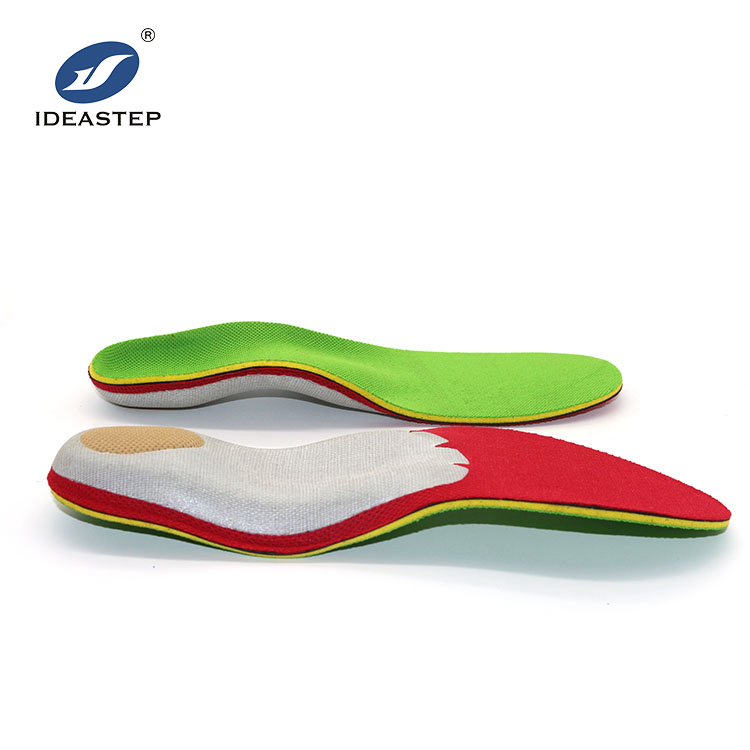
1. Heat-Molded Orthotics in Insole Manufacturing
Heat-molded orthotics use heat-responsive materials to create a specified insole shape. Manufacturers heat the selected component, form it over a mold or foot model, and allow it to cool before trimming and assembly.
The process supports several product structures, including:
- Custom arch contours
- Defined heel cup profiles
- Semi-rigid support shells
- Multi-layer insole constructions
- Application-specific support zones
Unlike conventional foam cutting, thermoforming allows selected structural components to take on a three-dimensional shape during production. Material properties and forming conditions therefore require careful control.
2. Materials Used in Heat-Molded Orthotics
Each material responds differently to heat and forming pressure. Manufacturers should evaluate flexibility, stiffness, shape retention and bonding compatibility when selecting materials for a specific insole structure.
EVA Foam
EVA foam is widely used in insole manufacturing because its density and hardness can be adjusted for different cushioning and support requirements. Softer grades suit cushioning layers, while firmer formulations can provide more structural support.
For heat-molded applications, manufacturers should assess forming behavior, compression characteristics and shape retention. EVA can serve as a primary insole layer or combine with a thermoplastic shell in multi-layer constructions.
Polyethylene Materials
Polyethylene (PE) materials offer different density and flexibility options. Selected grades can be heat-formed into lightweight support components.
Their suitability depends on forming behavior, stiffness and dimensional stability after cooling. Manufacturers should also check compatibility with foam layers and top covers during assembly.
Polypropylene Sheets
Polypropylene (PP) is commonly used for semi-rigid and rigid orthotic shells. It can retain a defined profile after thermoforming and provides a stable structure for arch and heel cup designs.
Sheet thickness affects shell stiffness and flexibility. However, mold geometry and forming conditions also influence the finished structure, so manufacturers should validate these factors during sample development.
Thermoplastic Polyurethane
Thermoplastic polyurethane (TPU) offers a balance of flexibility and resilience. Its properties vary by formulation and thickness, making it suitable for designs that require controlled flexibility rather than a fully rigid shell.
Before production, manufacturers should confirm its forming temperature, elasticity and compatibility with other insole components.
Top Cover and Cushioning Materials
Common top cover options include mesh, polyester fabric and microfiber. These materials contribute to the insole’s surface properties and appearance.
For cushioning, manufacturers often combine molded shells with EVA or PU foam. Material compatibility, adhesive performance and resistance to processing temperatures should be checked before finalizing the construction.
3. Key Design Considerations
The final shape of a heat-molded orthotic depends on shell geometry, material thickness and the arrangement of structural and cushioning layers.
Arch Profile
Arch height, length and curvature should follow the product drawing or approved sample. Different profiles require corresponding mold geometries and material properties.
Manufacturers should verify the contour through sample forming, as changes in mold dimensions or material thickness can alter the finished profile.
Heel Cup Geometry
Heel cup depth, width and sidewall angle determine the rearfoot structure. These dimensions should match the intended product design and remain consistent after forming and trimming.
Materials with limited flexibility may require closer control when forming deeper heel cups or more pronounced sidewalls.
Shell Thickness and Flexibility
Shell thickness affects stiffness, forming behavior and finished weight. The required specification depends on the intended support structure and footwear application.
Rather than relying on sheet specifications alone, manufacturers should test the material in the actual mold. This helps determine whether adjustments to thickness, material grade or geometry are necessary.
Cushioning and Layer Construction
A typical heat-molded insole may combine:
- Fabric top cover
- EVA or PU cushioning layer
- Heat-molded PP, TPU or PE support shell
- Optional bottom layer for cushioning or surface protection
Layer thickness and bonding allowances affect the overall profile. Manufacturers should check the completed construction to ensure consistent dimensions and compatibility with the target footwear.
4. Heat-Molding Process for Custom Insoles
A controlled production process helps maintain the required shape and reduce material defects. Processing parameters vary by material and equipment, but the main stages remain similar.
Step 1: Design and Mold Preparation
The manufacturer uses a technical drawing, reference sample or foot-shape data to define the arch profile, heel cup dimensions, shell outline and thickness.
The mold should match the approved specifications. Consistent mold dimensions are particularly important for repeat orders and bulk production.
Step 2: Material Cutting
Operators cut the thermoplastic sheet or foam component to the required dimensions. Accurate cutting supports correct positioning during forming and reduces material waste.
The cutting layout should also include sufficient allowance for final trimming.
Step 3: Controlled Heating
The selected material enters a heating unit and reaches its specified forming temperature. Since processing ranges differ between materials, manufacturers should follow technical data and validate settings through production trials.
Uneven heating can lead to inconsistent forming, while excessive heat may damage the material. Temperature and heating time therefore need consistent monitoring.
Step 4: Forming and Cooling
Operators position the heated material over the mold and apply the required pressure. The component takes the mold’s shape as it cools.
Correct positioning and pressure help prevent wrinkles, uneven thickness and incomplete forming. The component should cool sufficiently before removal.
Step 5: Trimming and Assembly
After cooling, operators trim the formed component and inspect its profile. The shell can then be assembled with the specified foam layers and top cover.
The production team should check adhesive compatibility, layer alignment and finished thickness to maintain consistent product quality.
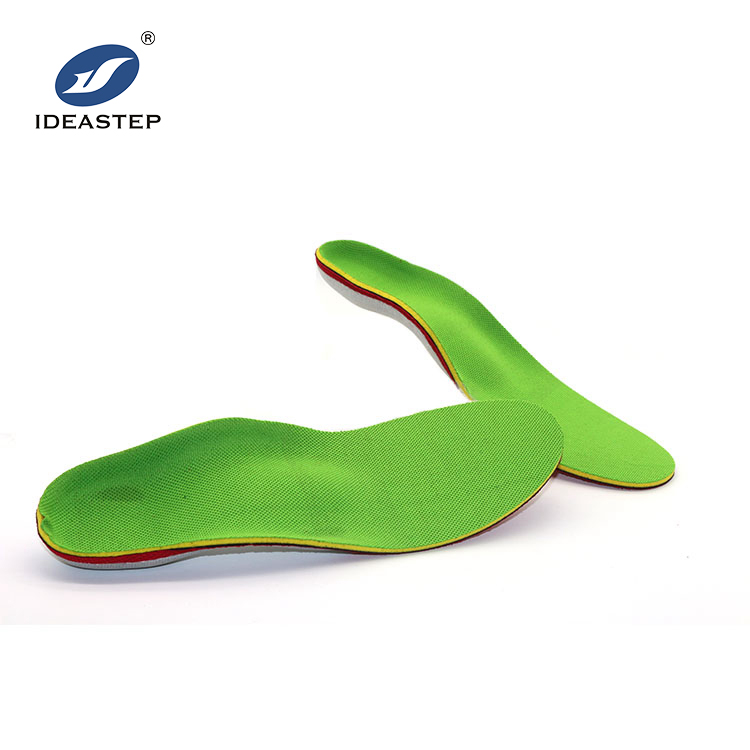
5. Applications of Heat-Molded Orthotics
Heat-molded structures support different insole product categories. Each application requires an appropriate combination of material properties and construction.
| Application | Typical Design Requirements |
|---|---|
| Custom orthotic insoles | Defined arch profiles and heel cup geometry |
| Medical orthotic products | Specified shell structure and material properties |
| Sports insoles | Balanced support, flexibility and cushioning |
| Work and safety footwear | Durable construction and controlled thickness |
| Private-label insoles | Repeatable dimensions and branding options |
| Semi-custom orthotics | Standardized base shapes with selected forming adjustments |
Manufacturers should confirm the target footwear category, size range and technical specifications before selecting materials and finalizing the mold design.
6. Quality Control in Heat-Molded Insole Production
Temperature, forming pressure and cooling conditions can all affect the finished shape. Quality control should cover incoming materials, process parameters and completed insoles.
Key inspection points include:
- Material specifications: Verify thickness, hardness, density and consistency against approved requirements.
- Heating conditions: Monitor temperature and heating time for each material.
- Forming quality: Inspect arch contours, heel cup dimensions and surface condition.
- Dimensional accuracy: Check length, width, shell outline and trimming dimensions.
- Bonding strength: Evaluate adhesion between the shell, cushioning layer and top cover.
- Batch consistency: Compare samples across production runs for dimensional and structural variation.
Manufacturers should document approved processing parameters for each product and material combination. These records help reproduce approved samples during bulk production.
7. OEM and Custom Manufacturing Requirements
Clear technical specifications help reduce sample revisions and improve production efficiency. For OEM and private-label projects, buyers should confirm the following details before development:
- Insole length, width and size range
- Arch height and heel cup dimensions
- Shell material, thickness and hardness
- Foam type, density and cushioning thickness
- Top cover material and color
- Intended footwear category
- Logo, packaging and labeling requirements
- Target order quantity and delivery schedule
An existing sample or technical drawing can help the manufacturer assess material compatibility, mold requirements and forming methods.
Sample approval should cover the finished shape, dimensions, flexibility and layer construction. Once the specifications are confirmed, the factory can establish production parameters for repeat orders.
8. Selecting a Heat-Molded Orthotics Manufacturer
A qualified manufacturing partner needs practical experience in material processing, mold development and insole assembly. Equipment alone does not ensure consistent output; production control and sample development capabilities are equally important.
B2B buyers should evaluate:
- Material range: Experience with EVA, PP, TPU, PE and cushioning materials.
- Mold development: Ability to produce molds with specified arch and heel cup geometry.
- Process control: Monitoring of heating, forming and cooling conditions.
- Sample development: Ability to work from technical drawings or reference products.
- Production capacity: Consistent dimensions and construction across bulk orders.
- OEM services: Support for size ranges, top covers, logos and packaging.
A manufacturer with both development and production capabilities can better manage the transition from sample approval to repeat orders.
9. Heat-Molded Orthotics Manufacturing with Ideastep
Ideastep supports B2B projects involving custom orthotic insoles and related materials. Product development can cover shell structure, material selection, cushioning layers and manufacturing requirements.
Buyers can provide technical drawings, reference samples or product specifications for an initial review of material options and mold requirements. This helps establish a clear direction for sample development and production planning.
Contact Ideastep to discuss custom heat-molded orthotics, OEM requirements and sample development.