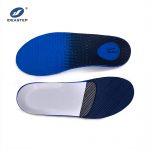
Foot scanners are an important part of digital orthotic manufacturing. They capture foot geometry and convert it into digital data for custom insole design, orthotic modeling and product development. For orthotic clinics, laboratories and manufacturers, the right scanner should provide reliable data, compatible software and an efficient workflow.
For wholesale buyers and distributors, equipment specifications are only part of the purchasing decision. Bulk supply capacity, software compatibility, technical support and delivery arrangements also matter when selecting a long-term supplier.
1. Foot Scanners in Orthotic Manufacturing
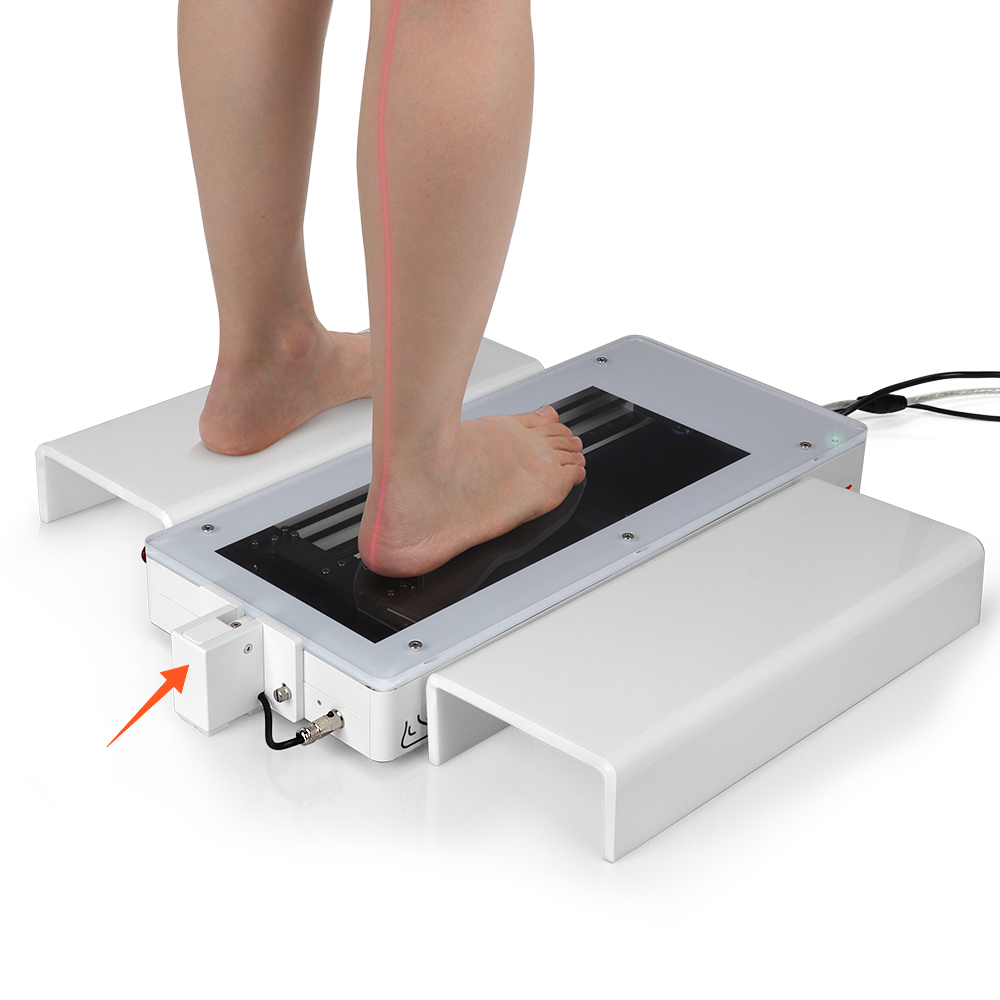
A foot scanner captures the surface geometry of the foot and generates a digital model for further analysis and design. Orthotic professionals and manufacturers use this data to develop custom insole structures and digital production files.
In orthotic manufacturing, scanning data can support:
- Foot shape measurement and digital documentation
- Arch contour and heel profile analysis
- 3D model development
- Custom orthotic insole design
- CAD-based product development
- Digital model storage and revision
Unlike manual impression methods, digital scanning creates reusable files that can be transferred to compatible design and manufacturing systems. However, scanning data still requires professional interpretation and appropriate design specifications before production.
2. Types of Foot Scanners for Orthotic Applications
Different scanning technologies serve different purposes. Buyers should select equipment according to the required data, scanning method and production workflow.
3D Foot Scanners
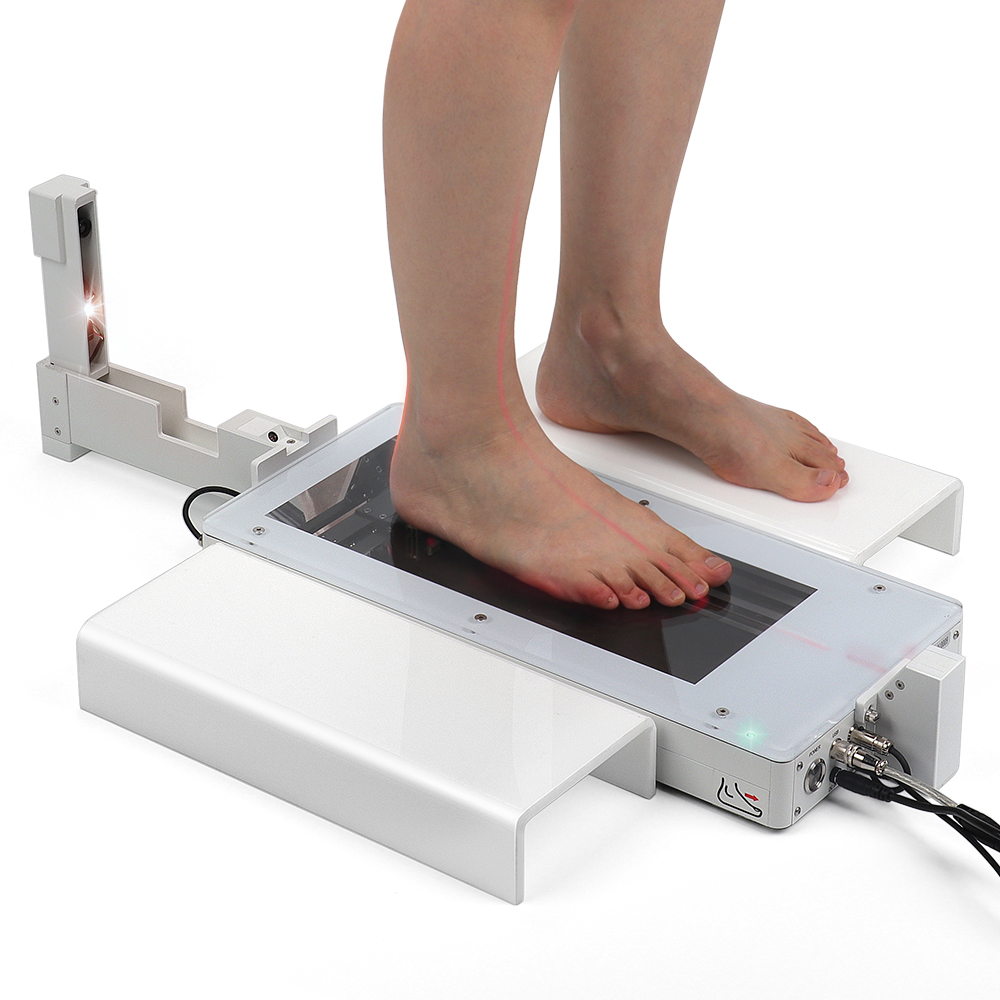
3D foot scanners capture the surface geometry of the foot and generate three-dimensional digital models. Depending on the system, they may use structured light, laser scanning or other optical technologies.
These systems support digital foot modeling and custom orthotic development. Manufacturers can import compatible files into CAD software to design insole contours and support structures.
Key specifications include scanning resolution, capture time, measurement range, repeatability and supported file formats.
Plantar Foot Scanners
Plantar scanners focus on the underside of the foot. Depending on the equipment, they may capture plantar contours, contact areas or pressure distribution.
These systems can provide useful data for orthotic assessment and product design. Buyers should distinguish between surface-shape scanning and plantar pressure measurement, as the two technologies provide different information.
Weight-Bearing and Non-Weight-Bearing Scanners
Weight-bearing scanners capture foot geometry under standing load, while non-weight-bearing systems record the foot without the same loading condition. Some systems support both scanning methods.
The choice depends on the intended orthotic application and data requirements. Clinics and manufacturers should confirm the available scanning positions before purchasing.
3. Key Specifications When Buying a Foot Scanner
Technical specifications determine whether a scanner can integrate into an existing orthotic workflow. B2B buyers should evaluate the following factors before placing an order.
Scanning Accuracy and Repeatability
Accuracy and repeatability affect the reliability of digital models. Inconsistent scanning data can lead to variations in CAD design, shell geometry and finished product dimensions.
Buyers should request technical documentation and sample scan files to evaluate actual performance.
Scanning Speed and Measurement Range
Scanning speed affects processing efficiency in clinics and production facilities. The measurement range should also cover the required foot sizes and scanning positions.
For suppliers serving multiple markets, equipment with an appropriate measurement range can support a wider range of product development requirements.
Data Output and File Compatibility
Digital files must work with the buyer’s existing design and manufacturing software. Common formats may include STL, OBJ and other supported 3D file types.
Before purchasing, confirm:
- Available export formats
- Compatibility with orthotic CAD software
- Data resolution and mesh quality
- External file editing capabilities
- Software licensing and export restrictions
File compatibility is particularly important for manufacturers using CNC milling or 3D printing.
4. Foot Scanning in the Digital Orthotic Workflow
A scanner is one part of a complete digital manufacturing process. Its value depends on how effectively the captured data moves into design and production.
Step 1: Foot Data Acquisition
The operator selects the required scanning position and captures the foot surface. Consistent positioning helps reduce differences between scans.
Step 2: Digital Model Processing
The software generates a 3D model from the captured data. The design team checks for missing areas, surface noise and irregularities before using the file for further development.
Step 3: CAD Design
Designers import the digital model into compatible CAD software and develop the required insole structure. Key parameters include arch contours, heel cup geometry, thickness and support features.
Step 4: Manufacturing
After design approval, digital files can support different production methods, including:
- CNC milling of EVA and other foam materials
- 3D printing of orthotic components
- Thermoforming of PP or TPU support shells
- Mold development for repeat production
Step 5: Sample Inspection
The finished sample is checked against the approved design and technical specifications. Any necessary adjustments can then be made to the digital model before bulk production.
5. Foot Scanner Requirements for Different B2B Buyers
Different business types have different equipment requirements. Defining the main application helps buyers select a suitable configuration.
| Buyer Type | Main Requirements |
|---|---|
| Orthotic clinics | Efficient scanning, clear digital models and practical software |
| Orthotic laboratories | Detailed foot data, CAD compatibility and repeatable measurements |
| Insole manufacturers | Digital file integration and production workflow compatibility |
| Footwear manufacturers | Foot shape data and product design integration |
| Distributors and wholesalers | Stable supply, bulk pricing and technical support |
| OEM equipment buyers | Configurable specifications and branding options |
Before purchasing, buyers should confirm the intended application, expected scanning volume and required software functions.
6. Bulk Purchasing Considerations for Foot Scanners
Bulk procurement requires evaluation of product configuration, supplier capacity and after-sales support.
Product Specifications and Configuration
Confirm the scanner model, scanning technology, measurement range, software version and included accessories. For repeat orders, maintaining a consistent configuration also simplifies inventory management.
Sample Testing and Technical Evaluation
For larger orders, buyers should request a product demonstration or evaluation unit when available. Testing helps verify scanning performance, software operation and compatibility with existing equipment.
Bulk Pricing and MOQ
Request quotations based on the required quantity and equipment configuration. The quotation should clearly identify unit prices, MOQ, accessories, software costs and additional service charges.
Lead Time and Supply Capacity
Confirm sample availability, bulk production lead time and shipping arrangements before placing an order. Suppliers should also clarify their capacity for repeat orders and replacement parts.
Warranty and Technical Support
Check warranty coverage, software updates, troubleshooting services, spare parts availability and technical training options. Reliable support is particularly important for distributors serving multiple clinics and laboratories.
7. Software Integration and Data Management
Software compatibility affects the entire digital orthotic workflow, from scanning to final production. Buyers should confirm whether the system supports:
- Common 3D file export formats
- Integration with orthotic CAD software
- Digital model editing and measurement
- Data storage and case management
- Software updates and licensing support
Manufacturers should also establish a suitable system for organizing and protecting digital files, especially when managing large volumes of scanning data.
8. How to Choose a Wholesale Foot Scanner Supplier
A reliable supplier should provide clear product specifications, stable supply and practical technical support.
B2B buyers should evaluate:
- Product range: Available scanner types and configurations.
- Technical documentation: Detailed specifications, user manuals and software information.
- Bulk supply capacity: Ability to meet order quantities and delivery schedules.
- Sample evaluation: Demonstrations or testing options where available.
- After-sales service: Warranty, technical assistance and spare parts.
- OEM options: Branding, packaging and configuration services where offered.
Compare suppliers based on verified specifications and service capabilities rather than price alone. Clear agreements on equipment configuration, software functions and support responsibilities help reduce procurement risks.
9. Wholesale Foot Scanner Supply for Orthotic Businesses
For orthotic clinics, laboratories and manufacturers, a foot scanner provides digital data for custom insole design and product development. The right equipment should match the required scanning method, data output, software environment and production workflow.
When planning bulk procurement, buyers should define the required functions, target quantity and technical specifications before requesting quotations. This makes supplier evaluation and equipment selection more efficient.
If you are sourcing foot scanners for orthotic clinics, laboratories or manufacturing projects, please contact us to discuss your requirements, bulk purchasing plans and product specifications. We will be glad to help you review the available options.
Related Articles: https://www.aideastep.com/how-accurate-are-foot-scanners-uncovering-the-science-behind-the-technology/.