As orthotic clinics and manufacturers adopt digital workflows, foot scanners have become an important part of equipment procurement. Clinics use them to capture foot data for assessment and documentation, while manufacturers rely on compatible digital files for product design and development.
For wholesale buyers, choosing a supplier involves more than comparing scanner prices. Equipment configuration, software compatibility, bulk order capacity and after-sales support all affect the long-term value of a purchase.
This guide outlines the main considerations for clinics, orthotic manufacturers and distributors sourcing foot scanners in bulk.
1. Who Needs Wholesale Orthotic Foot Scanners?
Different businesses have different equipment requirements. Understanding the intended application helps buyers select a suitable configuration.
Orthotic Clinics
Clinics need scanners that fit their assessment procedures and daily workload. Ease of operation, efficient data capture and straightforward file management are important considerations.
For businesses with multiple locations, consistent equipment configurations can also simplify staff training and maintenance.
Orthotic Laboratories and Manufacturers
Laboratories and manufacturers need scanning systems that work with their existing design software. File compatibility and repeatable data capture are particularly important when processing projects from multiple clinics.
The ability to transfer scanning data into CAD systems can also support product modeling and manufacturing preparation.
Distributors and Equipment Wholesalers
Distributors need competitive pricing, clear product documentation and dependable supply arrangements. Warranty terms, packaging, technical support and replacement parts also influence their ability to serve local customers.
2. Key Specifications to Confirm Before Ordering
A clear equipment specification helps buyers compare suppliers and avoid configuration differences between orders.
Before purchasing, check the following:
- Scanning technology: Capture method and supported applications.
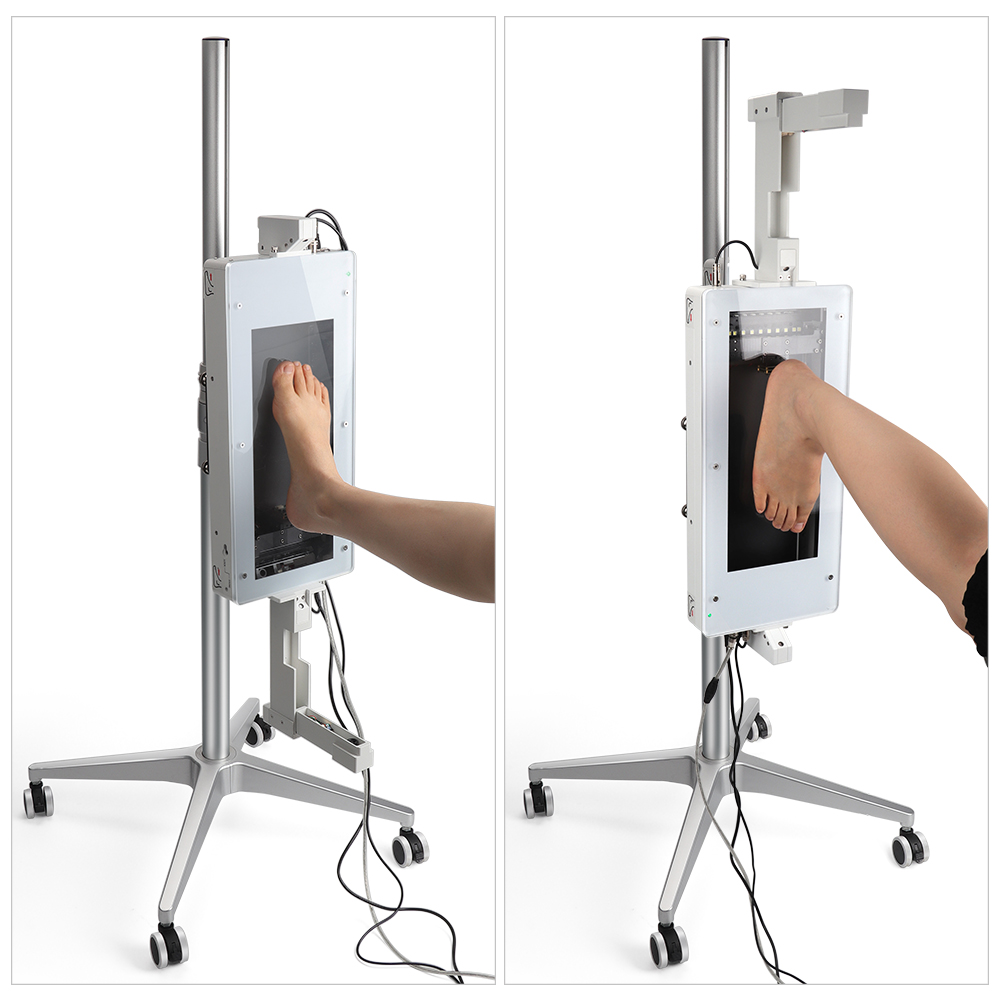
- Measurement range: Supported foot sizes and scanning positions.
- Data output: Available export formats, such as STL or OBJ where supported.
- Software: Included functions, license terms and update arrangements.
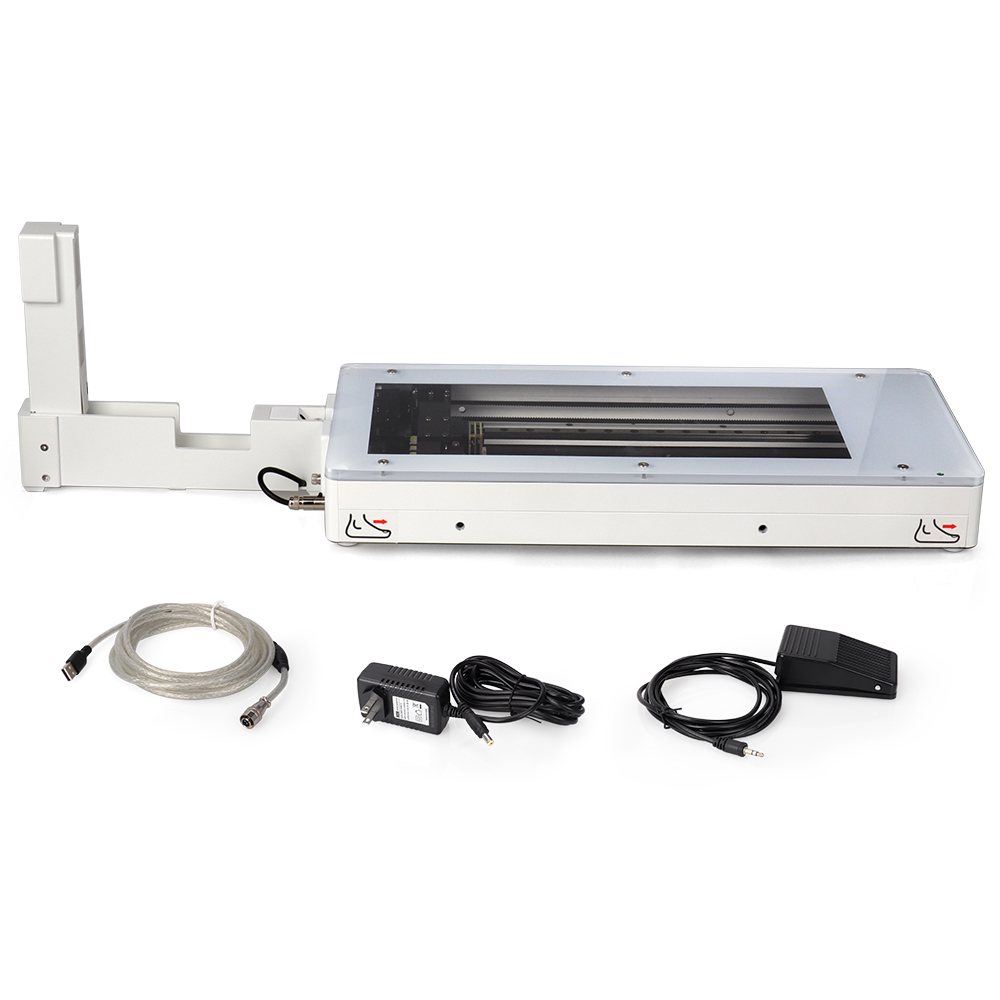
- Accessories: Calibration tools, cables and other supplied components.
- System requirements: Computer specifications and operating environment.
For bulk orders, confirm that every unit has the same approved configuration. This makes installation, training and future replacement easier to manage.
3. Software Compatibility and Data Integration
Software compatibility is an important part of scanner selection. A device may capture foot data successfully, but limited export options or incompatible software can disrupt the buyer’s existing workflow.
Manufacturers and laboratories should confirm:
- Supported operating systems and computer requirements
- Compatibility with third-party orthotic CAD software
- Available 3D file formats and export functions
- Software licensing and activation conditions
- Data storage and backup options
- Technical support and update policies
Before placing a large order, request a demonstration or sample scan files. This allows the technical team to check file quality and compatibility with existing design systems.
4. Bulk Purchasing and Commercial Terms
Wholesale procurement requires clear agreements on pricing, configuration and delivery.
MOQ and Volume Pricing
Request quotations for different order quantities. The supplier should identify unit prices, minimum order quantities, software charges and optional accessories separately.
Sample Evaluation
Where available, test a sample unit before confirming a larger order. Check basic operation, scanning results, software functions and file export.
Lead Time and Shipping
Confirm product availability, estimated production time and shipping arrangements. Distributors should also consider delivery schedules when planning inventory and customer orders.
Warranty and Technical Support
Review warranty coverage, repair procedures, replacement parts and remote technical assistance. For international orders, clarify how the supplier handles support in the destination market.
5. Quality Control for Wholesale Supply
A proper inspection process should verify both equipment operation and order consistency.
Key checks include:
- Appearance: Inspect the scanner housing, connections, accessories and packaging.
- Functionality: Confirm startup and normal operation.
- Scanning performance: Review test scans for missing data or obvious capture problems.
- Software: Check installation, activation and basic export functions.
- Configuration: Match the supplied model and accessories against the purchase order.
- Shipment: Verify quantities, labels and protective packaging.
For repeat orders, retain approved specifications and inspection records as references. This helps buyers identify differences between shipments and maintain consistent equipment standards.
6. Planning Inventory and Repeat Orders
Distributors and multi-location clinics should consider future equipment requirements when placing their first order.
Keep records of model numbers, software versions, accessories and warranty periods. In addition, discuss replacement parts and product availability with the supplier before expanding the installed equipment base.
Consistent configurations and clear supply arrangements make repeat procurement easier to manage.
7. How to Choose an Orthotic Foot Scanner Supplier
Price matters, but it should not be the only selection criterion. Buyers should evaluate the supplier’s ability to provide suitable equipment and support throughout the purchasing process.
Consider these factors:
- Product range: Available models and configuration options.
- Technical documentation: Specifications, manuals and software instructions.
- Supply capacity: Ability to fulfill bulk and repeat orders.
- Sample testing: Demonstration or evaluation options.
- After-sales service: Warranty, troubleshooting and replacement procedures.
- Commercial terms: Transparent MOQ, payment, packaging and shipping conditions.
For international buyers, clear communication and defined support responsibilities are also important.
8. What to Include in a Wholesale Inquiry
Providing detailed purchasing information helps suppliers prepare more accurate quotations.
A wholesale inquiry should include:
- Required scanner model or intended application
- Estimated order quantity
- Software and file format requirements
- Destination country
- Branding and packaging requirements
- Expected delivery schedule
- Warranty and technical support expectations
If you have not selected a specific model, describe your intended workflow and equipment requirements. The supplier can then review the information and discuss suitable options.
9. Wholesale Orthotic Foot Scanners for B2B Buyers
Sourcing orthotic foot scanners in bulk requires attention to equipment specifications, software compatibility, order consistency and after-sales support. These factors are particularly important for distributors, laboratories and clinics managing multiple devices.
A clear purchasing specification helps buyers compare suppliers, control procurement costs and plan future orders.
If you are sourcing orthotic foot scanners for clinics, laboratories or distribution projects, please contact us to discuss your required configuration, order quantity and purchasing specifications. We welcome inquiries from wholesale buyers and business partners.
Related Post: How Accurate Are Foot Scanners? Uncovering the Science Behind the Technology.