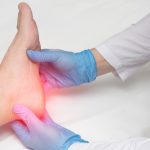
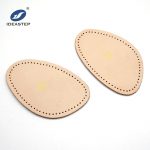
Custom orthotics for diabetes require careful control over material selection, insole geometry and manufacturing quality. For orthotic manufacturers and medical product suppliers, developing these products involves balancing cushioning, structural support, surface properties and dimensional consistency.
A well-designed insole may combine several materials to achieve specific performance requirements. However, the right construction depends on the product specification, intended application and relevant professional requirements.
This article focuses on the materials, design features and production processes involved in manufacturing custom orthotics for diabetes, with particular attention to OEM and wholesale projects.
1. Key Design Considerations for Diabetic Orthotics
Diabetic orthotic insoles often use multi-layer structures to combine cushioning with controlled support. Manufacturers need to consider several factors during product development:
- Pressure distribution: Material density, thickness and structural geometry influence how loads are distributed across the insole.
- Cushioning performance: Foam selection should account for compression response and recovery under repeated loading.
- Surface properties: Top cover materials should provide a smooth, consistent contact surface.
- Fit and geometry: Arch profiles, heel contours and forefoot thickness must match the approved design.
- Durability: Materials and bonding methods should maintain their intended properties throughout the product’s service life.
These requirements should be translated into measurable product specifications before sample development begins. Manufacturers should also avoid making clinical performance claims without appropriate testing and supporting evidence.
2. Materials for Custom Orthotics for Diabetes
Material combinations have a direct effect on cushioning, flexibility, thickness and durability. Selecting materials by function allows manufacturers to develop different constructions for specific product requirements.
EVA Foam
EVA is widely used in orthotic insole manufacturing because it is lightweight, easy to process and available in different densities and hardness levels.
Softer EVA grades can provide cushioning, while firmer grades are suitable for base layers and structural components. Manufacturers can also adjust thickness and material combinations to achieve the required balance between flexibility and support.
PU Foam and Memory Foam
PU foam offers flexible cushioning options for multi-layer insole construction. Its density and formulation determine how it responds to compression and repeated use.
Memory foam may be used in designs that require a conforming cushioning layer. For production projects, buyers should review compression recovery, thickness stability and bonding compatibility before approving the material.
PORON and Localized Cushioning Materials
PORON and similar cushioning materials can be incorporated into selected areas, such as the heel or forefoot, according to the product design.
Material thickness and placement need to work with the overall insole profile. Manufacturers should evaluate the complete assembly rather than assess cushioning materials in isolation.
Top Cover Fabrics
Top cover materials influence surface feel, wear resistance and the overall finish of the product. Common options include textile fabrics, microfiber and other suitable materials.
For diabetic orthotic applications, manufacturers should pay attention to surface smoothness, seam placement, edge finishing and compatibility with the underlying foam layers.
3. Structural Design and Material Layering
Material selection alone does not determine product performance. Layer arrangement, thickness distribution and component geometry also influence the final construction.
Multi-Layer Insole Construction
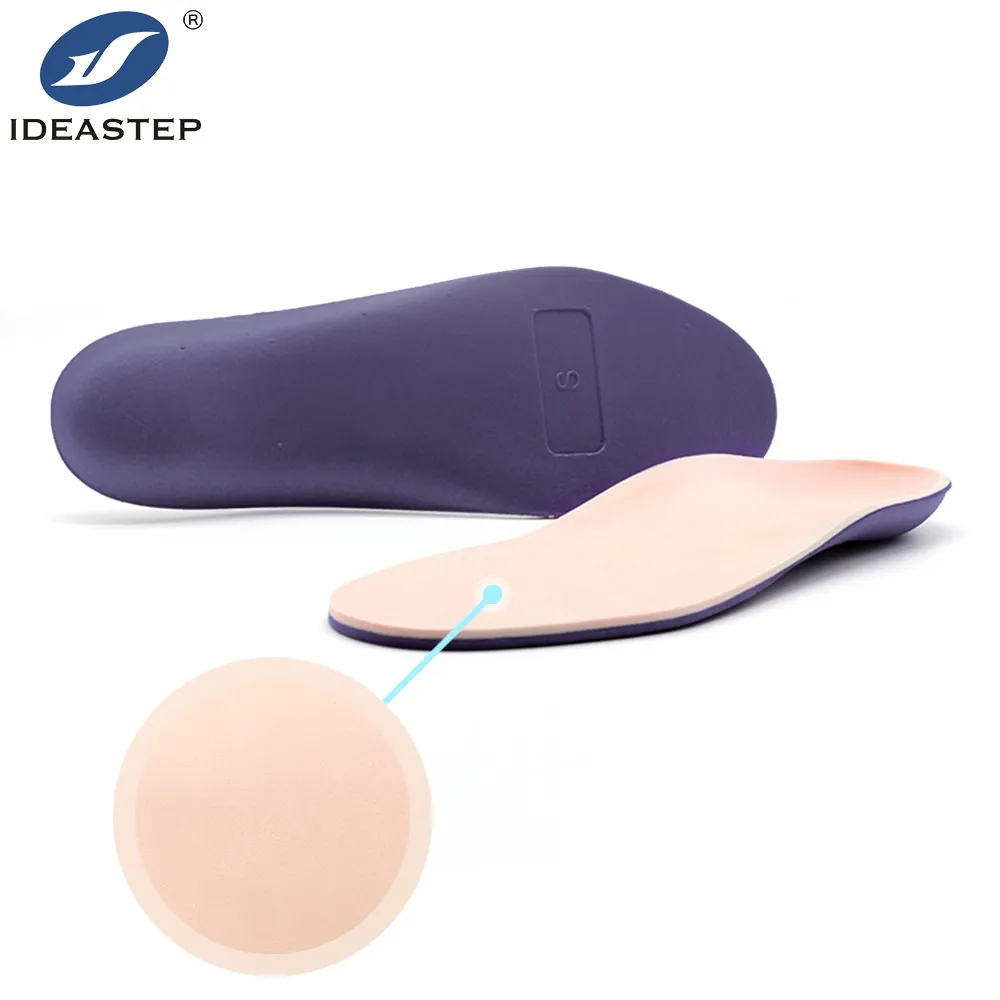
A typical diabetic orthotic insole may include:
- Top cover: A textile or microfiber surface selected for its physical properties and durability.
- Cushioning layer: EVA, PU or another foam material selected according to the required compression characteristics.
- Support layer: A firmer foam or thermoplastic component that controls the overall structure.
- Localized cushioning zones: Additional components incorporated where the design requires specific thickness or cushioning characteristics.
Not every product requires all four layers. Manufacturers should select the construction based on technical drawings, material specifications and sample evaluation.
Heel and Forefoot Geometry
Heel and forefoot sections may require different thicknesses and material properties. A localized cushioning component can be incorporated into either area, depending on the design requirements.
Manufacturers should also consider the transition between different materials and thicknesses. Poorly controlled transitions can affect the finished profile and create inconsistencies between production batches.
Arch Profile and Contour Design
Arch height, curvature and heel cup geometry influence the overall shape of an orthotic insole. These features should follow the approved design rather than rely on a standard profile for every product.
Digital foot data, CAD modeling and sample evaluation can help manufacturers refine these dimensions before mass production.
4. Manufacturing Processes for Custom Diabetic Orthotics
Production methods depend on the selected materials, product structure and order volume. Several processes are commonly used in specialized orthotic insole manufacturing.
CAD Design and CNC Milling
CAD modeling allows manufacturers to develop insole geometry and define key dimensions before production. When digital foot data is available, it can support the development of product contours and customized profiles.
CNC milling is suitable for machining foam blocks and producing defined shapes. It also helps maintain dimensional consistency when manufacturers use approved digital files and controlled machining parameters.
Thermoforming
Thermoforming is used to shape suitable thermoplastic materials into support components or structural shells.
Heating temperature, forming time and pressure must match the material specifications. Manufacturers should validate process settings and inspect formed components before using them in finished insoles.
Compression Molding
Compression molding can produce shaped foam components with repeatable dimensions. Mold design, material loading and processing conditions all affect the finished structure.
For bulk production, manufacturers should maintain consistent mold settings and material specifications across batches.
Cutting, Bonding and Assembly
After forming and molding, manufacturers cut the materials to size and assemble the different layers.
Key production controls include adhesive compatibility, bonding strength, layer alignment, edge finishing and overall thickness. These checks help reduce defects in finished products.
5. Quality Control in Diabetic Orthotic Insole Manufacturing
Quality control should cover incoming materials, production processes and finished products. For custom orthotics for diabetes, consistency between approved samples and bulk orders is particularly important.
Manufacturers should establish inspection criteria for:
- Material hardness and density: Verify incoming materials against approved specifications.
- Thickness and dimensions: Measure key areas, including the heel, arch and forefoot.
- Compression performance: Evaluate cushioning response and recovery where relevant.
- Bonding strength: Check adhesion between foam, support components and top covers.
- Surface finish: Inspect for wrinkles, rough edges, exposed adhesive and other defects.
- Batch consistency: Compare production samples with approved reference products.
Manufacturers should also review the regulatory and quality requirements of each target market. Any medical or clinical claims must be supported by appropriate evidence and comply with applicable regulations.

6. OEM and Private-Label Manufacturing
OEM and private-label projects allow brands, distributors and medical product suppliers to develop diabetic orthotic insoles according to their own specifications.
Manufacturing requirements may include:
- EVA, PU, PORON and thermoplastic material combinations
- Customized thickness, density and hardness
- Arch profiles and heel cup dimensions
- Heel and forefoot cushioning configurations
- Top cover materials, colors and surface finishes
- Size ranges, logos and retail or bulk packaging
Before mass production, buyers should approve the sample, technical drawings, material specifications and quality inspection criteria. These documents provide a consistent reference for future orders and product revisions.
7. Selecting a Diabetic Orthotic Insole Manufacturer
A capable manufacturing partner needs experience in material processing, multi-layer construction and dimensional quality control.
When evaluating suppliers, B2B buyers should review:
- Experience with specialized orthotic insole production
- Available EVA, PU, PORON and thermoplastic materials
- CAD design, CNC machining and molding capabilities
- Sample development and technical communication
- Production capacity and batch inspection procedures
- OEM packaging and export experience
Buyers should also request material samples and review finished product examples before confirming a bulk order. Clear technical specifications help both parties reduce development errors and production differences.
8. Developing Custom Orthotics for Diabetes
Successful product development depends on coordinating material selection, structural design and manufacturing controls. Each component should meet the approved specification, and the complete insole should undergo evaluation before bulk production.
For orthotic manufacturers, distributors and private-label brands, a defined development process helps maintain product consistency and supports repeat orders.
Ideastep works with B2B customers on custom orthotic insole development, material selection and OEM manufacturing. Contact us to discuss your product specifications, sample requirements and wholesale production needs.
Related product links: https://www.aideastep.com/product/wholesale-cushioned-arch-support-diabetic-foot-care-comfortable-medical-diabetic-insole/.