Developing orthotic insoles for bunion-related applications requires careful control of material properties, forefoot geometry and overall insole thickness. For orthotic manufacturers and medical product suppliers, the main challenge is to combine cushioning and structural support without adding unnecessary bulk around the forefoot.
A bunion, commonly associated with hallux valgus, involves changes in the alignment of the big toe and first metatarsal. Orthotic insoles do not correct the underlying bone alignment, but their construction can influence plantar contact, cushioning and load distribution.
For manufacturers, product development should focus on the relationship between material selection, insole geometry and the dimensions of the target footwear.
1. Key Design Requirements for Bunion Orthotic Insoles
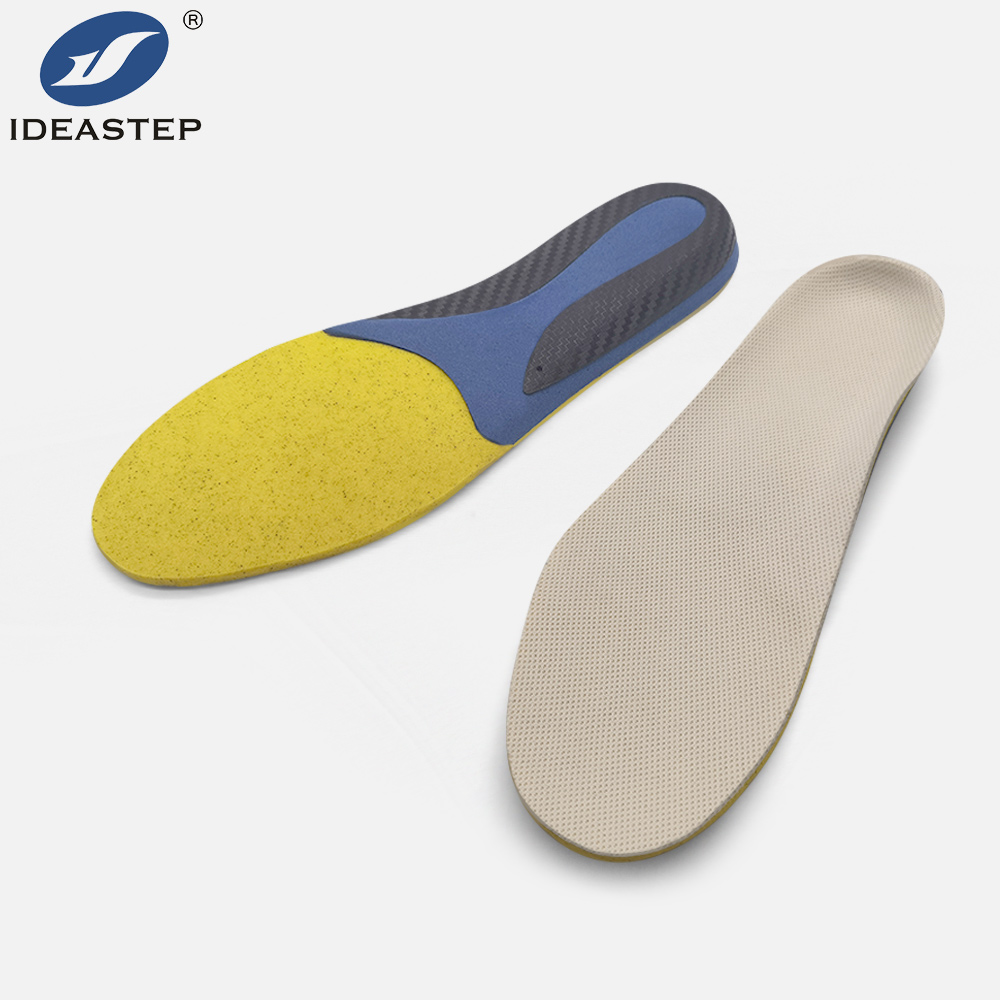
Bunion orthotic insoles require particular attention to forefoot construction. Material thickness, cushioning placement and support geometry must work together within the available shoe space.
The main design considerations include:
- Forefoot accommodation: Avoid unnecessary material buildup around the first metatarsal head and big toe area.
- Cushioning: Select materials with suitable compression characteristics for the intended contact areas.
- Arch support: Match the support profile to the approved foot geometry and product specifications.
- Surface properties: Use top cover materials with suitable smoothness, wear resistance and bonding characteristics.
- Shoe compatibility: Control overall thickness and dimensions to maintain the required internal footwear space.
These requirements should be established during product development and translated into measurable specifications for sample approval and mass production.
2. Material Selection for Bunion Orthotic Insoles
Material selection determines the cushioning, flexibility, support and durability of the finished product. Manufacturers can combine different materials to meet specific structural requirements.
EVA Foam
EVA is widely used in orthotic insole manufacturing because it is lightweight, easy to process and available in different densities and hardness levels.
Softer grades can serve as cushioning layers, while firmer grades provide a more stable base. Manufacturers can adjust thickness and density to achieve the required balance between flexibility and support.
PU Foam
PU foam offers different cushioning characteristics depending on its formulation and density. It can be used as a full-length layer or incorporated into selected areas of the insole.
For bunion-related designs, compression recovery and thickness stability deserve particular attention, especially when cushioning components sit beneath the forefoot.
PORON and Localized Cushioning Materials
PORON and similar materials can be incorporated into the metatarsal or forefoot region when additional cushioning is required by the design.
Placement and thickness need careful control. An oversized or incorrectly positioned insert may create unwanted pressure or increase the overall insole profile.
Top Cover Materials
Common options include microfiber, mesh fabric and other suitable textiles. Selection should account for:
- Surface smoothness and abrasion resistance
- Moisture management properties
- Compatibility with underlying foam layers
- Bonding strength and edge finishing
- Applicable cleaning and maintenance requirements
The finished surface should remain even, without wrinkles, exposed adhesive or rough transitions.
TPU and Thermoplastic Support Components
TPU and other thermoplastic materials can provide additional structural support. Their hardness, thickness and geometry should match the intended insole construction.
In bunion orthotic designs, support components should not occupy unnecessary forefoot space. Their position and edge transitions require particular attention during sample development.
3. Fit and Forefoot Geometry
Forefoot geometry is a defining factor in bunion orthotic insole development. Even when the material combination is appropriate, an unsuitable profile or excessive thickness can compromise the finished product’s compatibility with footwear.
First Metatarsal and Big Toe Area
The insole profile should account for the position of the first metatarsal head and the space available around the big toe. Manufacturers should avoid unnecessary material buildup in these areas.
Technical drawings and footwear last dimensions can help establish the required forefoot profile. Sample evaluation should confirm that the finished insole does not interfere with the intended shoe construction.
Metatarsal Support Position
Some designs incorporate a metatarsal pad or support feature to influence forefoot load distribution.
Its position, height and shape must follow the approved design. Incorrect placement can create additional pressure, so manufacturers should verify the geometry through sample testing and professional assessment.
Arch Profile and Heel Cup
Arch height, curvature and heel cup dimensions determine important aspects of the insole’s overall geometry.
Manufacturers should control these dimensions alongside forefoot thickness to ensure that the support structure remains consistent with the approved design.
Overall Thickness and Shoe Compatibility
The complete insole assembly must fit within the target footwear. Top covers, cushioning layers and support components all contribute to finished thickness.
Manufacturers should therefore evaluate the assembled product in the intended shoe models rather than rely on flat insole measurements alone.
4. Manufacturing Processes and Design Control
Production methods depend on material selection, structural complexity and order volume. The main processes include digital design, material forming and layer assembly.
CAD Design and CNC Milling
CAD modeling defines arch contours, heel cup dimensions, forefoot thickness and localized cushioning zones.
Digital foot data and technical drawings can support the development process. CNC milling then produces foam components according to approved design files, helping maintain dimensional consistency.
Thermoforming
Thermoforming is suitable for shaping compatible thermoplastic support components. Heating temperature, forming time and cooling conditions must match the selected material.
Manufacturers should validate these parameters before mass production to maintain consistent component geometry.
Compression Molding
Compression molding produces shaped foam components with controlled dimensions. Mold design, material loading and processing conditions directly affect the finished product.
For bulk production, approved mold specifications and stable processing parameters help reduce differences between batches.
Cutting, Bonding and Assembly
After molding or forming, manufacturers cut the materials and assemble the insole layers.
Important controls include adhesive compatibility, bonding strength, component positioning, overall thickness and edge finishing. These checks are particularly important around the forefoot, where unnecessary bulk can affect footwear compatibility.
5. Quality Control for Bunion Orthotic Insoles
Quality control should cover incoming materials, production dimensions and finished product consistency.
Key inspection criteria include:
- Material hardness and density: Verify incoming materials against approved specifications.
- Thickness and geometry: Measure the forefoot, arch and heel areas.
- Cushioning performance: Evaluate compression response and recovery where required.
- Component positioning: Confirm that metatarsal pads and support elements match the approved design.
- Bonding strength: Check adhesion between foam layers and structural components.
- Surface finish: Inspect for wrinkles, rough edges and exposed adhesive.
- Batch consistency: Compare finished products with approved samples and technical drawings.
For products marketed as clinical grade, manufacturers should also verify applicable regulatory requirements and maintain supporting test documentation. The term itself does not establish clinical validation or regulatory approval.

6. OEM and Private-Label Manufacturing
OEM and private-label production allows orthotic brands, medical distributors and footwear companies to develop bunion orthotic insoles around their own specifications.
Typical development requirements include:
- EVA, PU, PORON and TPU material combinations
- Foam density, hardness and thickness
- Forefoot cushioning and metatarsal support configurations
- Arch profiles and heel cup dimensions
- Top cover materials and surface finishes
- Product sizes, logo application and packaging
Before mass production, buyers should approve technical drawings, material specifications, samples and inspection criteria. These records provide a reference for production consistency and future repeat orders.
7. Selecting a Bunion Orthotic Insole Manufacturer
Supplier evaluation should focus on material expertise, design capabilities and production consistency.
B2B buyers should review:
- Experience with specialized orthotic insole manufacturing
- Availability of EVA, PU, PORON and thermoplastic materials
- CAD design, CNC machining and molding capabilities
- Sample development and design modification processes
- Material inspection and finished-product quality control
- OEM packaging and bulk production capacity
Sample evaluation is particularly important for bunion-related designs because small changes in forefoot thickness, cushioning placement or component geometry can affect the final construction.
8. Developing Custom Bunion Orthotic Insoles
Successful product development depends on coordinating material properties, forefoot geometry and manufacturing controls. Each component should match the approved specification, while the complete assembly must meet the dimensional requirements of the target footwear.
For orthotic manufacturers, medical distributors and private-label brands, clear technical drawings and sample approval provide a practical basis for consistent bulk production.
Ideastep supports B2B customers with custom orthotic insole development, material selection and OEM manufacturing. Contact us to discuss your design specifications, sample requirements and wholesale production needs.
Recommended Reading: Custom Orthotics for Bunions: Design Features, Materials and Manufacturing.