
Carbon fiber composites are used in orthotic manufacturing where controlled stiffness, structural strength, and low weight are important. However, material performance depends on more than the fiber itself. Fabric type, fiber orientation, resin system, laminate thickness, and manufacturing conditions all affect the final product.
For orthotic manufacturers and wholesale buyers, these factors influence product consistency, production cost, and long-term supply reliability. Understanding the material and manufacturing process helps businesses evaluate suppliers and develop products suited to specific technical requirements.

1. Why Carbon Fiber Is Used in Orthotic Manufacturing
Carbon fiber combines high stiffness with relatively low weight. When integrated into a polymer matrix, it forms a composite structure that can be engineered to provide different levels of support and flexibility.
In orthotic production, carbon fiber composites may be used in:
- Custom orthotic shells and support components
- Functional foot orthoses
- Carbon fiber plates and reinforcement structures
- Ankle-foot orthoses (AFOs)
- Specialized components requiring controlled bending stiffness
The main advantage is design flexibility. Manufacturers can adjust fiber orientation, layer count, and laminate thickness to achieve specific mechanical properties.
Carbon fiber is not automatically suitable for every orthotic product. Its performance must be evaluated against the intended design, loading conditions, manufacturing process, and cost requirements.
2. Understanding Carbon Fiber Materials
Material selection starts with the reinforcement fabric and resin system. Both influence the mechanical properties and processing requirements of the finished component.
Carbon Fiber Fabrics
Common reinforcement formats include:
- Unidirectional carbon fiber: Fibers run primarily in one direction, providing high stiffness along the fiber axis. It is suitable for designs requiring directional reinforcement.
- Plain weave carbon fiber: Fibers cross in a regular pattern, offering stable handling and balanced reinforcement in two directions.
- Twill weave carbon fiber: Its diagonal pattern provides good drapability and a distinctive surface appearance, making it useful for shaped components.
The choice depends on the required stiffness, mold geometry, surface finish, and production method.
Resin Systems
The resin matrix binds the fibers together and transfers loads between them. Common options include:
- Epoxy resin: Widely used in structural composites because of its bonding properties and mechanical performance.
- Other thermoset resins: Selected according to curing conditions, cost, and required performance.
- Thermoplastic matrices: Offer different processing and forming characteristics, including the possibility of reheating and reshaping in suitable systems.
Resin selection should consider curing temperature, processing time, bonding performance, and compatibility with the intended production process.
3. Key Factors in Carbon Fiber Material Selection
Selecting carbon fiber materials requires matching the composite structure to the product design rather than choosing fabric based on appearance alone.
Stiffness and Flexibility
The required stiffness depends on the component’s function and geometry. A rigid support component may require a different laminate structure from a flexible reinforcement plate.
Manufacturers should evaluate the complete composite structure, including fiber direction, resin content, layer count, and thickness.
Fiber Orientation
Carbon fiber composites are anisotropic, meaning their mechanical properties vary with fiber direction.
For example, fibers aligned along the main load direction provide different reinforcement from fibers placed at an angle. Incorrect orientation can lead to inconsistent stiffness or premature failure.
A defined layup specification is therefore important for repeatable production.
Thickness and Weight
Laminate thickness affects stiffness, weight, fit within the product structure, and material consumption.
Adding more layers may increase stiffness, but it can also raise production costs and affect forming requirements. The final specification should be validated through prototype testing.
Surface Finish and Fabric Structure
Fabric weave influences appearance, handling, and forming behavior. For products with visible carbon fiber surfaces, consistency in weave alignment and finish may also be part of the quality specification.
4. Carbon Fiber Orthotics Manufacturing Process
Carbon fiber components require controlled processing. Small differences in material placement, resin distribution, or curing conditions can affect the finished laminate.
1. Design and Mold Preparation
Production begins with the component design and mold preparation. CAD data, measurements, or approved samples can be used to define the shape and dimensions.
The mold must provide the required geometry and surface finish. Its condition also affects product repeatability.
2. Fabric Cutting
Carbon fiber fabrics or prepregs are cut according to the approved patterns.
Cutting accuracy is important because the size and orientation of each layer affect the final laminate structure. Material nesting should also be considered to reduce waste during bulk production.
3. Layering and Lamination
Cut fabric layers are placed into the mold according to the specified layup sequence.
Fiber orientation, layer count, overlap, and local reinforcement must remain consistent. These parameters directly influence the component’s mechanical response.
Depending on the material system, manufacturers may use prepreg layup or wet layup methods.
4. Vacuum Bagging and Curing
Vacuum bagging helps consolidate the laminate and remove trapped air during processing.
For thermoset systems, curing follows the resin supplier’s specified temperature, pressure, and time requirements. Process parameters should be documented and maintained across production batches.
5. Trimming and Finishing
After curing, the component is removed from the mold and trimmed to its final dimensions.
Edge finishing, drilling, surface treatment, and assembly may follow, depending on the product design.
Carbon fiber cutting and grinding can release fine dust. Appropriate dust extraction and personal protective equipment are necessary during these operations.
5. Quality Control in Carbon Fiber Orthotic Production
Quality control should cover both incoming materials and finished components. A consistent inspection process helps reduce variation between production batches.
Key inspection points include:
- Incoming material inspection: Verify fabric type, resin system, material specifications, and batch information.
- Dimensional inspection: Check thickness, shape, edge quality, and critical dimensions against approved drawings.
- Surface inspection: Identify wrinkles, cracks, delamination, visible voids, and resin-rich areas.
- Mechanical testing: Conduct flexural stiffness, load-deflection, fatigue, or other relevant tests according to product requirements.
Testing methods and acceptance limits should be established before mass production. For repeat orders, inspection records and material traceability help maintain consistency.
6. Challenges in Bulk Carbon Fiber Production
Scaling carbon fiber orthotics from samples to mass production requires control over several variables.
Material Waste and Cost
Carbon fiber fabrics and prepregs can represent a significant portion of total production cost. Cutting patterns, material utilization, and scrap management affect the final unit price.
Batch Consistency
Changes in fabric orientation, resin content, curing conditions, or laminate thickness may cause performance differences. Standardized work instructions and documented process parameters help control these variations.
Production Capacity and Lead Time
Mold preparation, layup, curing, trimming, and finishing all affect production schedules. Suppliers should confirm their capacity, equipment availability, and lead times before accepting large-volume orders.
Cost Control
The lowest material price does not always result in the lowest production cost. Buyers should consider material utilization, processing efficiency, defect rates, tooling requirements, and inspection costs when comparing suppliers.
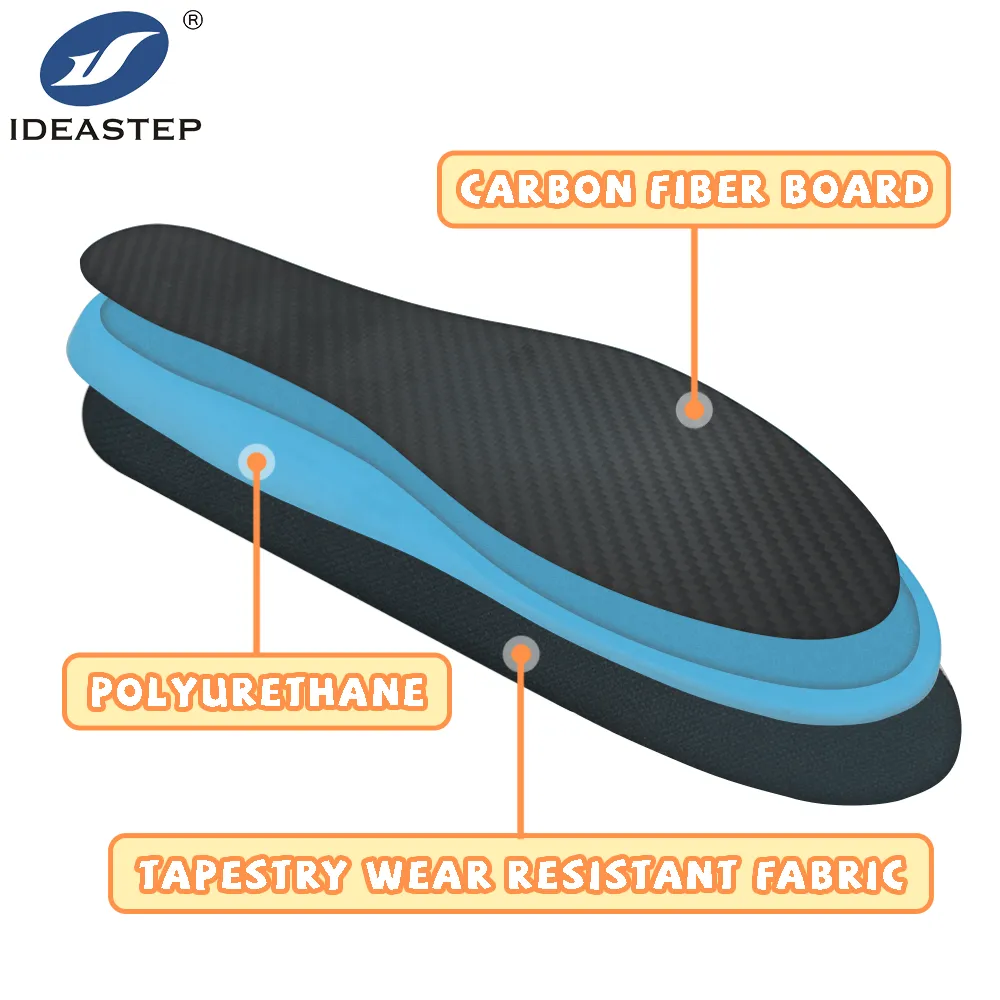
7. Carbon Fiber vs. Conventional Thermoplastic Materials
Carbon fiber composites and thermoplastics serve different manufacturing needs. The choice depends on product design, performance targets, production volume, and processing requirements.
| Comparison | Carbon Fiber Composite | Conventional Thermoplastic |
|---|---|---|
| Structure | Fiber reinforcement with resin matrix | Polymer-based material |
| Stiffness | Can be engineered through fiber orientation and layup | Depends on polymer type and thickness |
| Weight | Often offers a favorable stiffness-to-weight ratio | Varies by material and design |
| Processing | Lamination and curing for many thermoset systems | Heating and forming |
| Re-forming | Thermoset composites generally cannot be reshaped by reheating | Many thermoplastics can be reheated and reshaped |
| Production considerations | Requires controlled layup and curing | Requires controlled heating and forming |
Neither material is universally better. The appropriate option depends on the technical specification and manufacturing requirements of each orthotic product.
8. What Wholesale Buyers Should Confirm Before Bulk Orders
Before placing a production order, wholesale buyers and orthotic manufacturers should confirm the following details with their suppliers:
- Carbon fiber fabric type and material grade
- Resin system and curing requirements
- Layer count, fiber orientation, and target thickness
- Product dimensions and dimensional tolerances
- Approved samples and testing criteria
- MOQ, production lead time, and monthly capacity
- Packaging, labeling, and batch traceability
- Tooling costs and repeat-order arrangements
A clear technical specification reduces misunderstandings during sampling and mass production. Buyers should also confirm whether the supplier can maintain the same material and process standards across repeat orders.
9. OEM and Private Label Manufacturing
OEM and private label projects may involve custom dimensions, laminate structures, surface finishes, branding, and packaging.
For successful cooperation, both parties should agree on technical drawings, approved samples, inspection standards, and production tolerances before mass production begins.
A supplier’s ability to manage material sourcing, process documentation, quality inspection, and repeat orders is particularly important for long-term B2B cooperation.
Conclusion
Carbon fiber orthotics manufacturing requires careful control of material selection, fiber orientation, laminate design, and curing conditions. These factors determine the structural performance and consistency of the finished component.
For wholesale buyers and orthotic manufacturers, supplier evaluation should go beyond material pricing. Technical capability, sample validation, quality control, production capacity, and repeat-order consistency all contribute to a reliable supply chain.
Recommended Reading:
Custom Carbon Fiber Orthotics: Lightweight Support, Rigidity and Design Options
Flexible Carbon Fiber Insoles for Sports Footwear: Structure, Fit and Performance

