
Instant custom orthotics combine standardized product structures with selected customization options. Depending on the design, manufacturers can use heat-moldable shells, adjustable support components, pre-engineered structures, or digital manufacturing to develop orthotic products with shorter production and fitting workflows.
For orthotic brands, the main challenge is balancing material performance, product adaptability, manufacturing efficiency, and cost. Consistent material specifications and controlled production processes are essential when scaling these products for wholesale and OEM supply.
This article covers the materials, structural design, manufacturing methods, and quality requirements involved in developing instant custom orthotics.
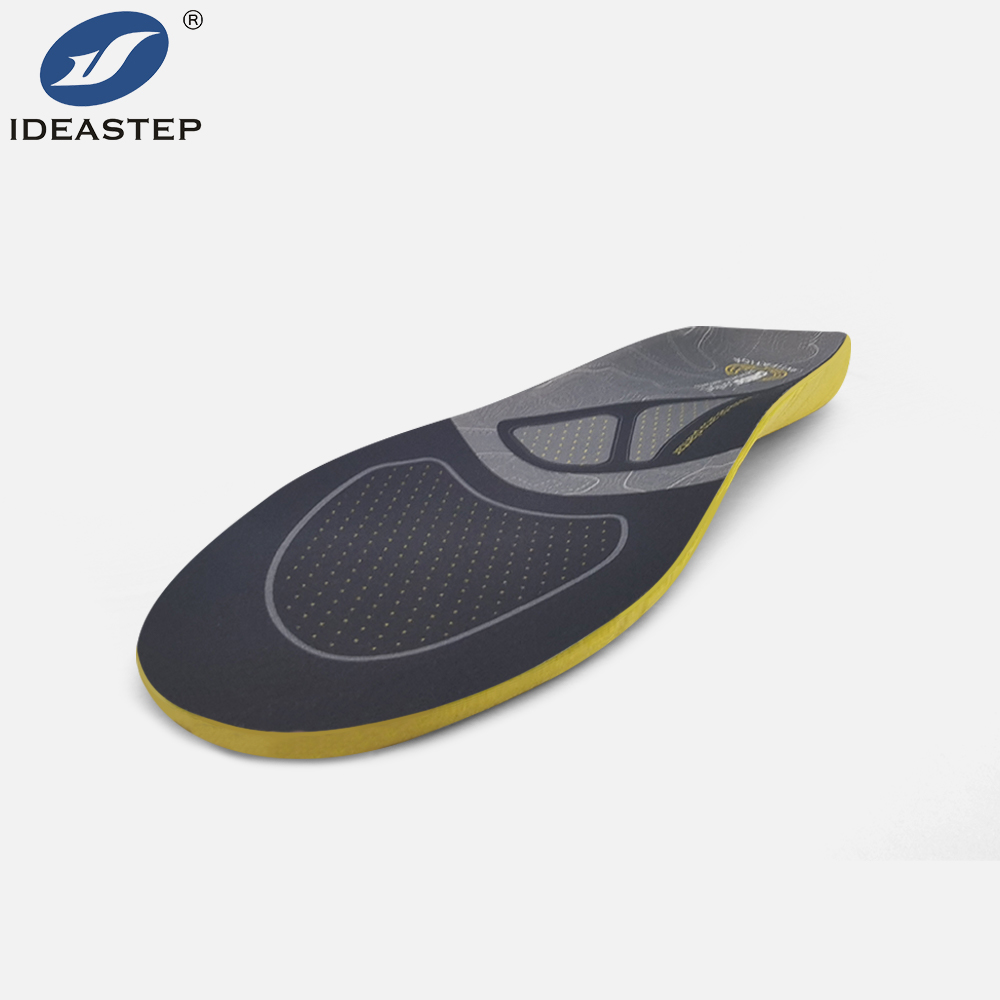
1. Understanding Instant Custom Orthotics
Instant custom orthotics are designed to provide a degree of product adjustment through standardized or semi-custom manufacturing systems.
Depending on the construction, customization may involve:
- Heat molding selected thermoplastic components
- Offering different arch profiles or support configurations
- Adjusting heel and forefoot cushioning
- Trimming products to specified footwear dimensions
- Combining standardized shells with different cushioning materials
These methods allow manufacturers to develop multiple product configurations without producing every unit from an individual foot scan or cast.
Three production approaches should be distinguished:
- Heat-moldable orthotics: Use selected materials that can be reshaped within specified heating and forming conditions.
- Semi-custom orthotics: Combine standardized components with predefined adjustment options.
- Fully custom orthotics: Use individual foot measurements, scans, or casts to develop product-specific geometry.
The actual customization level should be clearly defined in product specifications and marketing materials.
2. Key Materials Used in Instant Custom Orthotics
Material selection affects cushioning, support, formability, and production requirements. Each material should be evaluated according to its function within the complete product structure.
EVA Foam
EVA (ethylene-vinyl acetate) is widely used in orthotic insoles because of its low weight, flexibility, and adjustable foam properties.
Different grades offer varying levels of hardness, density, and resilience. Common applications include:
- Cushioning layers
- Semi-rigid orthotic bases
- Arch support structures
- Heel and forefoot cushioning zones
EVA can be combined with thermoplastic components to balance cushioning and support. Its suitability for heat forming depends on the specific formulation and processing conditions.
Heat-Moldable Thermoplastics
Thermoplastic materials are used in orthotic designs that require controlled shape adjustment.
Polypropylene (PP) is commonly used for semi-rigid and rigid orthotic shells. Its stiffness and formability make it suitable for structural support components.
Thermoplastic polyurethane (TPU) is available in different formulations, with a range of flexibility and elastic recovery characteristics. It can be used in flexible support structures and selected functional components.
Material grade, sheet thickness, forming temperature, and cooling conditions must be specified for each product. Repeated heating should only be permitted when supported by material testing and the manufacturer’s processing guidelines.
PU Foam
Polyurethane (PU) foam is used in cushioning layers where resilience and compression performance are important.
Depending on its formulation, PU can be incorporated into full-length cushioning layers or localized heel and forefoot sections. Manufacturers should evaluate density, hardness, compression set, recovery, and bonding compatibility.
Microcellular Urethane
Microcellular urethane materials, including PORON® products, are used for localized cushioning in heel pads, forefoot zones, and multi-layer constructions.
Material grade and thickness should match the intended loading conditions and product design.
Top Cover Materials
The top cover affects surface durability, moisture management, and bonding performance.
Common options include mesh, microfiber, polyester textiles, leather, and synthetic leather. Antibacterial-treated fabrics may also be specified where the material supplier provides supporting performance information.
Manufacturers should check fabric durability and compatibility with the underlying foam and adhesive system.
3. Structural Design Features
The final performance of instant custom orthotics depends on how cushioning materials, support components, and shell geometry work together.
Heat-Moldable Support Shell
A heat-moldable shell allows selected areas of an orthotic to be adjusted during the forming process.
Its material, thickness, and geometry determine how it responds to heating and pressure. Manufacturers should validate:
- Forming temperature and heating time
- Shell thickness and geometry
- Heating uniformity
- Mold compatibility
- Cooling conditions and shape retention
The shell must provide sufficient formability without losing the structural properties required by the product design.
Arch Support Configuration
Arch geometry is a key design parameter. Manufacturers can develop different support profiles through shell design, molded foam, or combinations of supporting components.
For standardized product lines, predefined arch configurations can simplify tooling, inventory, and repeat production. Each configuration should be checked against its approved design specifications.
Heel Cup and Rearfoot Structure
Heel cup depth, width, and stiffness affect the geometry and stability of the rearfoot section.
A semi-rigid heel shell can be combined with EVA or PU cushioning to achieve the required balance between support and impact absorption.
Multi-Layer Construction
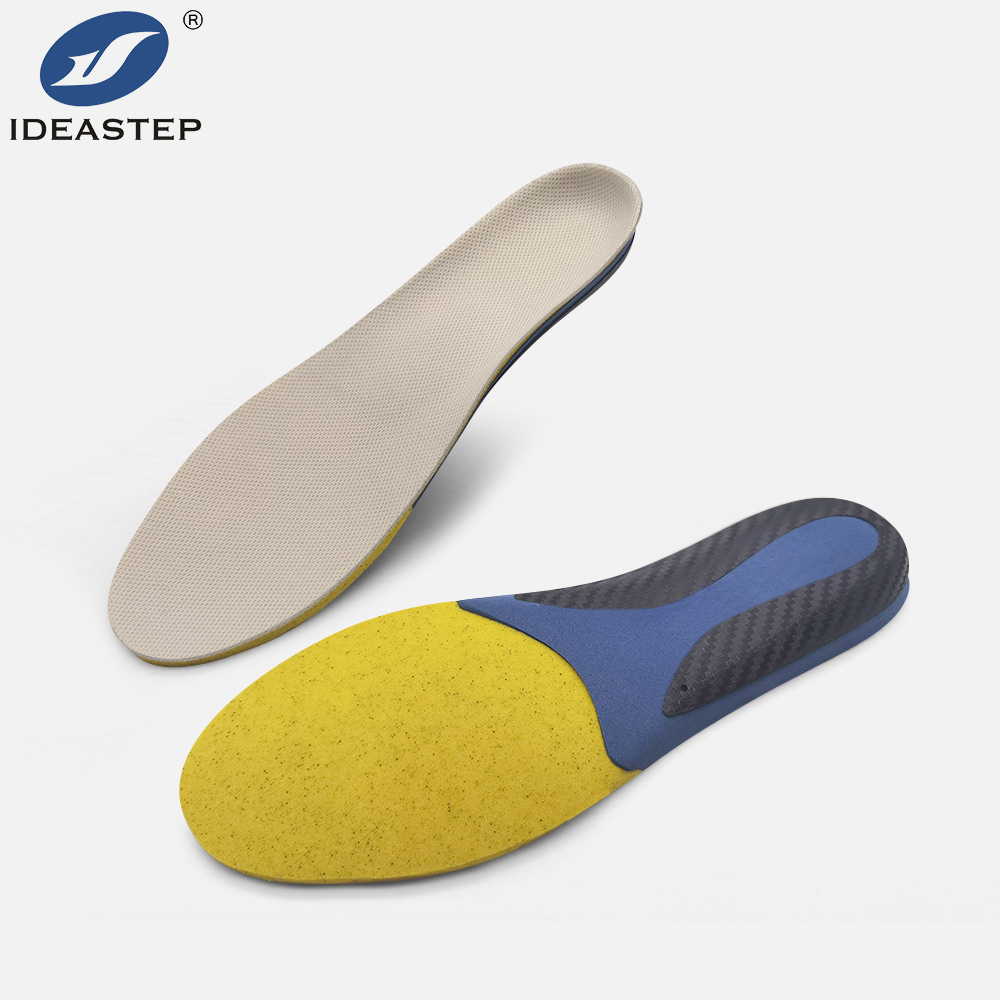
A typical instant custom orthotic may include several functional layers:
| Layer | Material Options | Main Function |
|---|---|---|
| Top cover | Mesh, microfiber, textile | Surface durability and moisture management |
| Cushioning layer | EVA, PU, microcellular urethane | Cushioning and impact absorption |
| Support layer | PP, TPU, semi-rigid EVA | Structural support and shape retention |
| Bottom layer | EVA, foam, fabric | Base structure and bonding compatibility |
Not every product requires all four layers. The construction should reflect the intended application, thickness requirements, and production cost.
4. Manufacturing Methods
The manufacturing method determines how product adjustment is achieved and how efficiently production can be scaled.
Heat-Molding Process
Heat molding is used when selected thermoplastic components need to be shaped after heating.
A controlled production process generally includes:
- Material preparation: Verify the material grade, thickness, and batch information.
- Heating: Apply the validated temperature and heating time for the selected material.
- Forming: Shape the softened component using the specified mold or forming equipment.
- Cooling: Allow the component to cool under controlled conditions.
- Finishing: Trim edges and complete assembly.
- Inspection: Check dimensions, surface condition, and shape retention.
Heating conditions must follow the material supplier’s specifications. Excessive or uneven heating can affect material properties and dimensional accuracy.
Semi-Custom Manufacturing
Semi-custom production uses standardized components with predefined adjustment options.
For example, a product range may offer different arch profiles, shell stiffness levels, or cushioning configurations. This allows brands to expand their product range while maintaining standardized tooling and manufacturing procedures.
Digital Design and Manufacturing
Digital workflows support product development through foot scanning, CAD modeling, CNC machining, and 3D printing.
A typical process includes:
- Foot geometry acquisition
- Digital model preparation
- CAD design and adjustment
- Prototype production
- Design evaluation and revision
- Final manufacturing
Digital files can improve design repeatability and simplify revisions. However, digital production is only fully individualized when the product geometry is developed from individual foot data rather than selected from standardized models.
5. Material Selection for Different Product Lines
Different orthotic categories require different material combinations and structural specifications.
| Product Category | Possible Material Combination | Main Design Considerations |
|---|---|---|
| General orthotic insoles | EVA, PU, semi-rigid shell | Cushioning, support, dimensional consistency |
| Heat-moldable orthotics | Thermoplastic shell, EVA, fabric | Formability, heating control, shape retention |
| Sports orthotics | EVA, TPU, PU | Flexibility, resilience, repeated loading |
| Work footwear orthotics | EVA, PU, reinforced support layer | Compression resistance and durability |
| Medical and specialized orthotics | EVA, PU, PP, specialized cushioning materials | Defined specifications and product validation |
These are general material combinations rather than fixed formulas. Final specifications should be established through prototype development and testing.
6. Quality Control in Manufacturing
Quality control must cover incoming materials, forming conditions, assembly, and finished-product inspection.
Incoming Material Inspection
Check materials against approved specifications, including:
- Material grade and batch information
- Density and hardness
- Thickness and dimensional tolerance
- Surface condition
- Compression and forming characteristics
Heat-Molding Validation
For heat-moldable products, validate heating uniformity, forming accuracy, cooling conditions, and shape retention.
If repeated molding is part of the product specification, the permitted number of cycles and corresponding performance criteria should be established through testing.
Bonding and Assembly
Multi-layer constructions require reliable bonding between the top cover, cushioning foam, and support shell.
Inspection should identify peeling, bubbles, uneven adhesive distribution, and edge separation. Adhesive compatibility should be confirmed before mass production.
Finished Product Testing
Depending on the product requirements, inspection may include:
- Overall length, width, and thickness
- Arch profile and heel cup dimensions
- Material hardness and density
- Compression set and recovery
- Flexibility and fatigue performance
- Bonding strength
- Heat-molding and shape-retention performance
Test methods and acceptance limits should be defined before production. Approved samples and inspection records provide a reference for repeat orders.
7. Challenges in Bulk Production
Scaling instant custom orthotics requires consistent control over materials, forming conditions, and product configurations.
Material consistency: Variations in foam density, thermoplastic thickness, and material formulation can affect finished-product performance. Approved specifications and batch records help control variation.
Molding repeatability: Differences in heating time, temperature, mold condition, and cooling can cause dimensional or structural variation. Standardized operating procedures are essential.
Layer bonding: Different materials may require specific surface preparation and adhesive systems. Bonding trials should be completed before mass production.
Inventory management: Multiple sizes, arch profiles, and material combinations can increase stock complexity. Standardized components and defined product configurations help simplify inventory planning.
Production cost: Material utilization, tooling, labor, processing time, and inspection requirements all affect unit cost. Product design should consider manufacturing efficiency alongside performance.
8. Technical Specifications for Wholesale Orders
Clear specifications help manufacturers and buyers align expectations before sampling and bulk production.
Key details include:
- Product type and intended application
- Customization method: heat-moldable, semi-custom, or digital
- Material grades and thicknesses
- Arch profile and heel cup design
- Layer construction and bonding requirements
- Heating and molding instructions, where applicable
- Product dimensions and size range
- Approved samples and inspection criteria
- MOQ, sample lead time, and bulk production lead time
- Packaging, labeling, and private label requirements
For custom development projects, technical drawings, reference samples, and material specifications should be reviewed together. This provides a clear basis for mass production and repeat orders.
9. OEM and ODM Manufacturing Solutions
OEM and ODM projects allow orthotic brands to develop products around specific market and manufacturing requirements.
Depending on production capabilities, customization may include:
- Material grades and layer combinations
- Arch profiles and shell configurations
- Product thickness and size ranges
- Top cover materials and surface finishes
- Logo printing and packaging
- Product-specific heating and molding instructions
A structured development process should include specification review, sample production, performance evaluation, and approval before mass production.
For new projects, buyers can provide the intended application, preferred materials, customization method, size range, and estimated order quantity for technical evaluation and quotation.
Conclusion
Instant custom orthotics combine standardized manufacturing with selected customization features. Product performance depends on material properties, shell geometry, cushioning structure, and controlled processing conditions.
For orthotic brands and manufacturers, consistent material specifications, validated molding procedures, and reliable quality inspection are essential for scalable production. A clearly defined product structure and approved sample provide the foundation for OEM development and long-term wholesale supply.
Related Reading: Custom Orthotics vs Standard Insoles: Which Is Better for Brands?.


