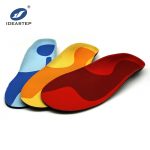
Semi-custom orthotic insoles provide brands and distributors with more product flexibility than standard stock insoles without the development complexity of fully individualized orthotics. Using standardized base structures with selected design and material options, manufacturers can create product ranges for different footwear categories and market requirements.
For orthotic brands, wholesalers, and footwear manufacturers, the main considerations are material selection, structural specifications, production consistency, and the level of customization available.
1. What Are Semi-Custom Orthotic Insoles?
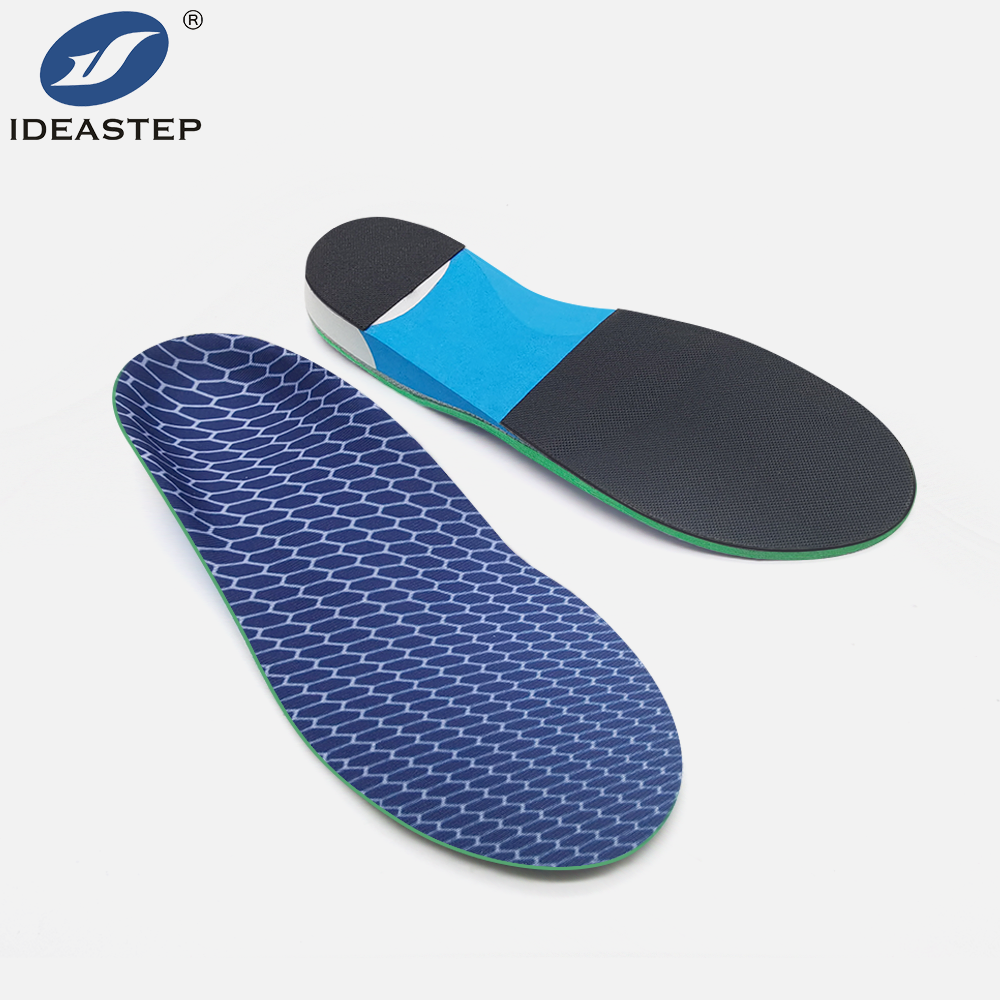
Semi-custom orthotic insoles are developed from standardized designs with selected features adjusted to meet different product requirements. Customization may include arch profiles, heel cup shapes, cushioning layers, top covers, thickness, and material hardness.
Unlike fully custom orthotics, which are developed around individual foot measurements or prescriptions, semi-custom products generally use predefined sizes and structural options.
This model offers several advantages for commercial production:
- More design options than standard stock insoles
- Lower development complexity than fully custom products
- Standardized sizes for wholesale distribution
- Flexible material and structural combinations
- More predictable sampling and production planning
For brands and distributors, semi-custom designs make it possible to develop differentiated product ranges without creating an entirely new structure for every model.
2. Materials Used in Semi-Custom Orthotic Insoles
Material selection affects cushioning, support, flexibility, durability, weight, and production cost. A semi-custom insole typically combines materials with different functions.
EVA Foam
EVA is widely used in orthotic insoles because it is lightweight, easy to process, and available in different densities and hardness levels. It can serve as a full-length base, cushioning layer, or shaped support component.
Different EVA grades allow manufacturers to adjust firmness and flexibility across product ranges. Key specifications include density, hardness, compression set, resilience, and dimensional stability.
PU Foam
PU foam is commonly used for cushioning layers and top-cover backing. Its formulations offer different levels of softness, resilience, and compression performance.
It can be combined with EVA or thermoplastic components to create multilayer constructions. Material selection should account for thickness, recovery, and the intended footwear application.
TPU and Thermoplastic Support Materials
TPU and other thermoplastic materials provide structural support in selected areas, particularly around the heel and arch.
Their hardness, thickness, and shape influence overall insole stiffness. Combining these materials with softer foam layers allows manufacturers to balance support and cushioning.
Top-Cover Materials
The top cover affects surface durability, moisture behavior, appearance, and product positioning. Common options include:
- Mesh and technical fabrics
- Microfiber
- PU leather
- Genuine leather
- Moisture-management textiles
The selection should match the target footwear category, expected wear conditions, and product cost requirements.
3. Key Product Specifications
Clear specifications help reduce sample revisions and maintain consistency during bulk production.
Arch Profile
Arch height and shape are key design variables in semi-custom orthotics. Product ranges may include several predefined profiles to suit different support requirements.
The arch structure should be developed together with the heel cup, base material, and overall thickness, as these elements jointly affect fit and stiffness.
Heel Cup Design
Heel cup depth, width, and shape influence rearfoot positioning and compatibility with footwear.
A deeper heel cup requires sufficient internal shoe volume, while a lower-profile design may be more suitable for footwear with limited space. Dimensions should be checked against the target shoe construction.
Material Hardness and Density
Hardness and density are separate specifications. Hardness measures resistance to indentation, while density refers to mass per unit volume.
Neither value alone determines finished insole performance. Compression set, resilience, tear strength, and material thickness should also be considered during material selection.
Thickness and Flexibility
Overall thickness affects cushioning, support, and shoe compatibility. Adding foam or support components may improve structural performance but can reduce available internal volume.
Flexibility should match the intended footwear application. Sports, work, and dress footwear may require different combinations of stiffness and cushioning.
Size Range and Trimming
Semi-custom insoles generally use predefined size ranges. Some designs also include trimming guidelines or cut-to-fit outlines.
For wholesale projects, size grading, dimensional tolerances, and packaging specifications should be confirmed before production.
4. Semi-Custom vs. Fully Custom Orthotic Insoles
These product types serve different development and distribution requirements.
| Comparison | Semi-Custom Orthotic Insoles | Fully Custom Orthotic Insoles |
|---|---|---|
| Design basis | Standardized platform with selected adjustments | Individual measurements or prescriptions |
| Size structure | Predefined size range | Individualized dimensions |
| Material options | Selected combinations | Project-specific combinations |
| Development | More standardized | More individualized |
| Production planning | Suited to repeatable batch production | Depends on individual requirements |
| Typical buyers | Brands, distributors, wholesalers | Orthotic labs and clinical providers |
Semi-custom products suit brands seeking differentiated options within a standardized production system. Fully custom designs are more appropriate when individual foot geometry or specific prescription requirements determine the structure.
5. Applications Across Footwear Categories
Different footwear categories require different combinations of thickness, support, flexibility, and material durability.
Sports footwear: Lightweight EVA, responsive cushioning materials, and selected support components can be used in running and training insole designs.
Work and safety footwear: Durable top covers, stable base structures, and suitable cushioning materials are important. Finished insoles must be checked for compatibility with the footwear’s original safety requirements.
Casual and everyday footwear: Moderate thickness, flexible construction, and versatile top-cover options support a broad range of shoe designs.
Medical and orthotic product ranges: Defined arch profiles, structured heel cups, and controlled material specifications may be required. Product claims should reflect the actual design and applicable regulatory requirements.

6. OEM and ODM Options
OEM and ODM arrangements allow brands and distributors to develop products around their specifications and market requirements.
Common customization options include:
- Material combinations: EVA, PU, TPU, mesh, microfiber, and leather.
- Arch and heel structures: Different predefined profiles and support configurations.
- Hardness and thickness: Material specifications adjusted for the intended application.
- Top-cover design: Fabric type, color, texture, and surface branding.
- Size ranges: Product dimensions and grading for target markets.
- Packaging: Private-label packaging, product labels, and bulk packaging.
OEM projects generally follow the buyer’s existing design or specifications. ODM projects involve more development input from the manufacturer.
The customization scope should be confirmed before sampling so that material sourcing, tooling requirements, development time, and production costs can be assessed accurately.
7. Sampling and Bulk Production
A defined development process helps ensure that approved samples can be reproduced consistently.
Specification confirmation: Establish the target footwear category, product structure, material requirements, size range, and order quantity.
Material selection: Confirm foam grades, support components, top covers, thickness, and hardness.
Sample development: Produce samples for dimensional checks, material evaluation, and footwear compatibility testing.
Quality inspection: Check material specifications, thickness, hardness, bonding strength, dimensions, and surface quality.
Bulk production: Follow approved specifications and inspection procedures to maintain consistency across production batches.
For repeat orders, retaining approved material references and product specifications helps minimize variation between batches.
Semi-Custom Orthotic Insole OEM and Wholesale Solutions
Ideastep, part of Xiamen KON Technology Co., Ltd., develops custom and semi-custom insole solutions using EVA, PU, TPU, mesh, and other cover materials.
We work with orthotic brands, footwear manufacturers, distributors, and wholesale buyers on material selection, product specifications, sample development, and bulk production.
Contact Ideastep to discuss your semi-custom orthotic insole project, request a quotation, or inquire about OEM/ODM options and free samples.
Related insoles selling links: https://www.aideastep.com/product/neutral-arch-support-orthotic-insoles/.