Natural Material Tradeoffs for B2B Orthotic Sourcing
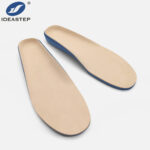
Podiatry clinics, footwear brands and wholesale distributors often weigh cork and leather orthotic insoles when building out their product catalogues. Both are premium natural materials, yet they serve different clinical needs, production workflows and price tiers. Material choice directly impacts patient fit, long-term support characteristics, unit pricing and customisation scope, making this comparison valuable for product planning.
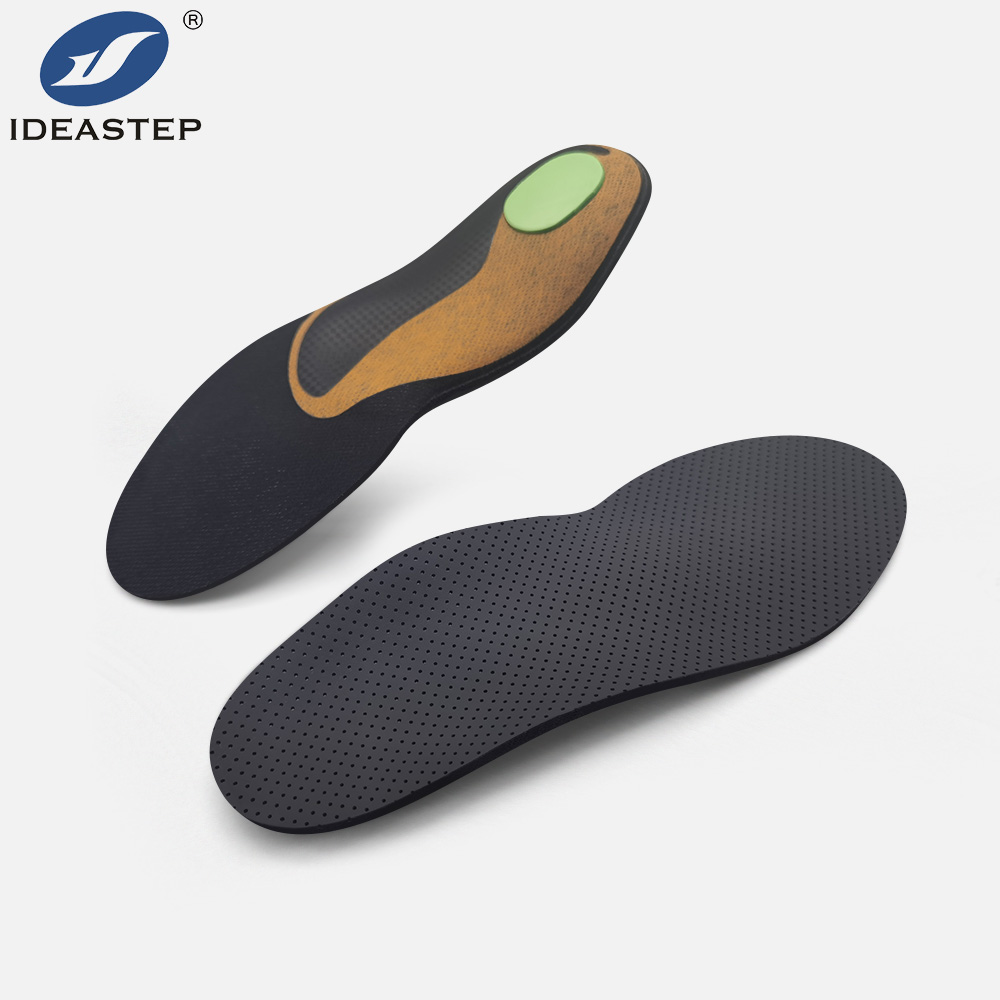
Core Functional Properties
- Cork insoles: Thermoformable with inherent resilience. Body heat and patient load gradually shape cork to the foot’s unique contour while maintaining stable arch geometry. Its closed-cell structure redistributes pressure evenly and resists odour and bacterial buildup. It delivers firm support paired with mild shock absorption, without turning overly soft after regular use.
- Leather insoles: Most often vegetable-tanned cowhide or lambskin, leather stands out for moisture wicking. It has a smooth, pliable surface that works well for formal footwear and patients sensitive to rigid textures. On its own, leather provides minimal corrective support. It performs best as a top cover laminated over EVA, polypropylene or cork bases for comfort and a refined finish.
Durability and Wear Lifespan
- Cork: More resistant to compression creep than most foam substrates. Heavy daily use over 6–12 months softens contact zones, but the core arch structure stays intact. Clinicians can grind and adjust cork on-site for minor fit tweaks.
- Leather: Shows surface wear faster under repeated friction. Thin leather tops scuff and stretch over time, especially with heavy perspiration. It retains its premium feel only when backed by a stable structural layer; unsupported leather flattens quickly and cannot hold corrective shape.
Manufacturing and OEM Customisation
Cork orthotic production
- Agglomerated cork sheets are cut into blank shapes
- Heat formed over positive foot molds to lock arch and heel contours
- CNC grinding, edge bevelling and surface finishing
- Lamination of top covers, PORON or foam cushion layers
Cork works for both prefabricated ranges and prescription custom orthotics. Sampling is straightforward, and the raw material aligns well with sustainability brand messaging. Hardness grades can be adjusted to suit slim dress shoes or high-support clinical lines.
Leather orthotic production
- Leather is graded and cut to match the base shell outline
- Surface preparation for secure adhesive bonding
- Hot lamination onto preformed orthotic substrates
- Trimming, edge sealing and inspection to prevent delamination
Leather is usually specified as a facing layer rather than a standalone orthotic base. OEM buyers can select leather thickness, tanning method and surface texture to differentiate their product offering. Lead times shift based on leather grade and traceability requirements.
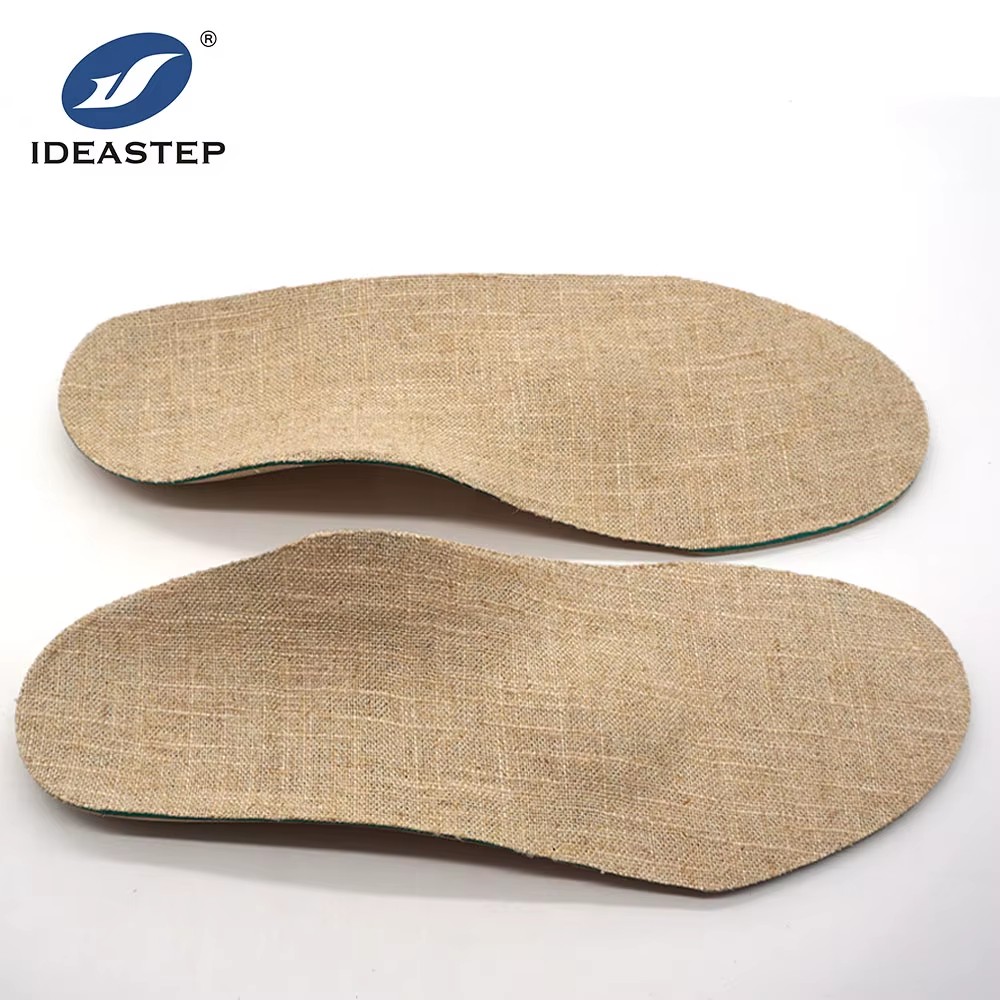
Footwear Compatibility and Clinical Fit
- Cork: Suitable for casual shoes, work boots and orthopaedic footwear. Standard cork blanks have moderate thickness; thinner composite cork variants fit low-volume lasts. It is widely specified for flatfoot management, mild plantar fasciitis and roles requiring prolonged standing.
- Leather: A strong fit for slim formal shoes and clients prioritising a smooth, low-profile feel. It adds little bulk when used as a top cover. It is frequently selected for diabetic orthotics where skin irritation risk must be kept low.
Compliance and Sourcing Considerations
Both materials can meet ISO 13485 and MDR medical documentation requirements, though testing priorities differ.
- Cork: Requires biocompatibility checks and compression cycle validation. It fits brands building natural, eco-focused orthotic lines for podiatry clinics.
- Leather: Needs supply traceability, tanning chemical screening and wear testing. Buyers should verify treatment standards to reduce irritation risk for sensitive skin groups.
Recommended Use Cases
- Choose cork insoles when: You need mouldable arch support, consistent pressure redistribution, sustainable selling points, and a substrate that allows in-clinic modification. Great for prefab orthotic lines and prescription footbeds.
- Choose leather insoles when: You want a breathable, premium top finish for formal footwear, or a skin-friendly smooth surface laminated over a rigid support base. Leather is rarely used as the only structural layer.
Many orthotic lines combine both materials: a cork base delivers reliable biomechanical support, topped with leather to boost comfort and market appeal.
Conclusion
Cork provides functional, mouldable structural support, while leather brings premium surface comfort and moisture management. They are rarely direct replacements in clinical workflows, but complementary materials that expand product tiering. B2B buyers can build stronger catalogues by matching each material to the right clinical indication, footwear type and price segment.
Share your target clinical applications, footwear last specs and order volume. We can advise on cork hardness grades, leather selections and hybrid laminate designs for your OEM orthotic programme.
FAQ: Cork vs Leather Orthotic Insoles
Q1: Can leather alone provide arch correction?
Pure leather insoles deliver almost no structural correction. Leather works best as a top cover bonded to cork, EVA or rigid shell substrates.
Q2: Are cork insoles suitable for diabetic orthotics?
Yes, when properly graded and paired with soft top layers. Cork distributes pressure evenly, though surfaces must be smooth to avoid skin trauma.
Q3: Which material is easier for in-clinic modification?
Cork can be heated, ground and posted easily. Leather cannot be reshaped; only trimming is possible after lamination.
Q4: What is the hybrid cork-leather orthotic design?
It uses a molded cork base for support, finished with vegetable-tanned leather. This hybrid balances biomechanical performance and premium hand feel, popular for high-margin clinic and retail lines.
Q5: Do both materials meet EU medical market requirements?
Yes. With complete biocompatibility records, batch traceability and technical files, cork and leather orthotics satisfy ISO 13485 and MDR requirements.
Q6: Which option carries lower MOQ for OEM orders?
Leather top cover runs are flexible for small batches. Custom molded cork orthotics often require slightly higher minimums due to mold setup.
Related Orthotic Insoles: https://www.aideastep.com/product/metatarsal-insole-eva-cork-deodorization-and-hygroscopic-ideastep-k011018/.