Why Metatarsal Arch Support Matters for Clinical and Wholesale Foot Care Lines
Most orthotic resources centre on the medial longitudinal arch. Even so, the transverse metatarsal arch across the forefoot is equally critical to normal gait. When this arch weakens, weight loads directly onto the metatarsal heads. This concentrated pressure causes metatarsalgia, burning under the ball of the foot and persistent forefoot discomfort.
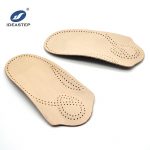
Metatarsal arch support insoles are built to restore transverse arch structure. Unlike basic cushion inserts, they redistribute load rather than simply mask pain. For podiatry clinics, physical therapy providers and foot care distributors, this biomechanical focus creates a reliable high-value product category. It addresses patient cases that standard arch-only orthotics fail to resolve.
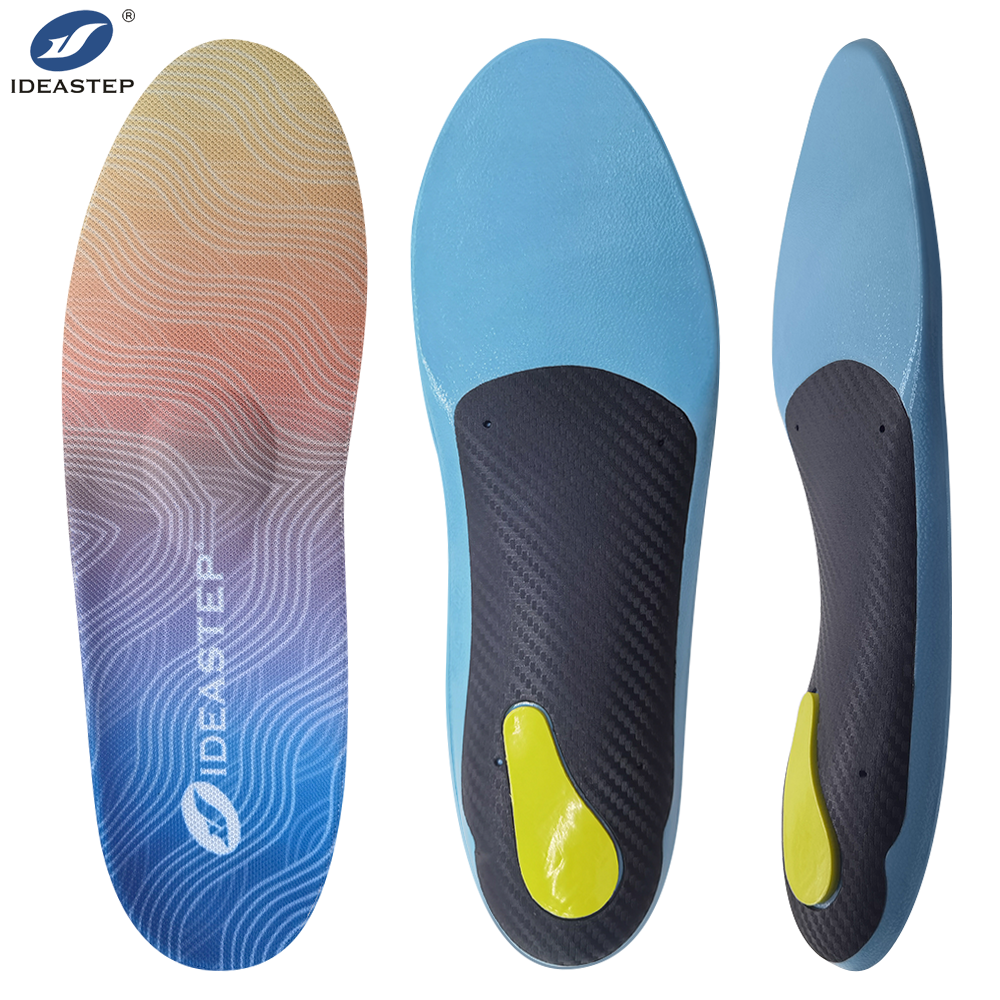
Biomechanics of the Metatarsal Arch and Forefoot Load Transfer
The metatarsal arch runs horizontally across the five metatarsal bones. Its natural shape spreads weight evenly during stance and toe-off. Once the structure loses tension, the forefoot flattens, creating sharp pressure spikes under the second, third and fourth metatarsal heads.
Properly engineered metatarsal support sits behind these heads, not directly underneath. This placement lifts the transverse arch gently and disperses load across a wider forefoot surface. Consequently, peak pressure reduces at painful hotspots while preserving natural foot flexion. This distinction separates clinical metatarsal orthotics from simple disposable forefoot pads.
Key Design Variables That Shape Pressure Distribution Outcomes
Minor design adjustments directly change how an insole redirects forefoot pressure. First, pad positioning is non-negotiable. A dome placed too far forward pinches metatarsal heads and worsens irritation. By contrast, support set too far back cannot engage the transverse arch effectively.
Support height and firmness also modify pressure maps. Firmer profiles deliver consistent offloading for chronic metatarsalgia. Softer, cushion-focused builds suit mild fatigue and prolonged standing. Additionally, midfoot and heel geometry work in tandem. Stable rearfoot support limits overpronation, a common driver of transverse arch collapse over time.
Material Stack Selection for Predictable Forefoot Performance
Material selection dictates pressure behaviour and service life. For clinic-grade stock, graded EVA forms a stable, lightweight base compatible with most footwear.
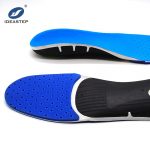
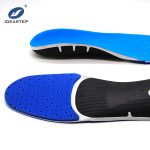
PORON and closed-cell foam are preferred for the metatarsal support zone. They resist compression fatigue through repeated gait cycles, maintaining consistent pressure relief over months of wear. TPU reinforcement adds torsion control for higher-demand users. Breathable top liners minimise moisture buildup, a practical consideration for clinic inventory and retail SKUs.
Cork blends are available for partners seeking heat-mouldable natural alternatives. All material stacks are documented for batch consistency to meet ISO 13485 and MDR requirements for medical device classification.
Prefabricated vs Custom Metatarsal Arch Orthotics for Your Portfolio
Prefabricated metatarsal arch support insoles serve as effective first-line clinical interventions. They work well for mild to moderate transverse arch collapse, metatarsalgia and mild Morton’s neuroma. These pre-built SKUs also carry lower MOQs and faster lead times for wholesale orders.
Custom orthotics are reserved for complex presentations. These include asymmetric forefoot deformity, fixed claw toe deformity or severe gait imbalance. For this reason, most B2B foot care operators stock both options. This model lets clinicians triage patients efficiently and capture margins across entry and advanced care tiers.
Validation Methods: How Manufacturers Test Forefoot Pressure Distribution
Trusted orthotic manufacturers validate designs with plantar pressure mapping. This testing captures dynamic pressure hotspots across the forefoot during standing and walking. Engineers refine pad geometry until peak load shifts away from sensitive metatarsal heads.
Lab evaluation also covers compression fatigue, shear resistance and edge comfort. A biomechanically sound profile will underperform clinically if edges rub or support collapses quickly. Prior to mass production, sample batches go to clinical partners for real-world feedback, lowering return rates once the product enters your supply chain.
Private Label and Wholesale Customisation for Metatarsal Arch Insole Lines
We offer flexible branding and packaging for clinics and distributors. Custom options include laser marking, printed size labels and multilingual instruction inserts. Packaging ranges from bulk polybags for clinic stock to retail blister packs for footwear brand collaborations.
Partners may select existing validated profiles or request custom pad heights and widths. Tooling terms, sampling fees and revision rules are shared upfront. This transparency eliminates unplanned costs while expanding your private label orthotic range.
What B2B Buyers Should Prioritise When Sourcing Metatarsal Arch Insoles
Clinics and medical distributors prioritise repeatable pressure relief over low unit cost. Uniform pad placement across all sizes is critical. Even small inconsistencies between sizes create unreliable clinical outcomes for patients.
Buyers should also verify the supplier’s clinical technical support and compliance documentation. Flexible trial volumes benefit clinic groups testing new SKUs before full stock commitments. Ultimately, reliable lead times and audit-ready compliance records distinguish specialised orthotic manufacturers from generic foam suppliers.
Conclusion
Metatarsal arch support insoles address an often overlooked component of foot biomechanics. Their core function is controlled forefoot load redistribution, not just cushioning. Correctly designed variants reduce metatarsal overload and give clinicians a dependable non-invasive treatment option.
For wholesale and private label partners, this product line creates clear differentiation. It complements medial arch orthotics and high-arch insoles within your catalogue. Reach out with your product brief, and we can review profile options, material stacks and custom packaging for your clinic or brand.
FAQ: Metatarsal Arch Support Insoles and Forefoot Pressure Distribution
Q1: What conditions respond best to metatarsal arch support insoles?
These orthotics are indicated for metatarsalgia, transverse arch collapse and ball-of-foot pain. They also support mild Morton’s neuroma and forefoot fatigue from prolonged standing. They are a practical first-line solution for podiatry and physical therapy teams.
Q2: Why is pad placement so important for proper pressure distribution?
The metatarsal support must sit just proximal to the metatarsal heads. Placement directly under the heads creates new pressure points. Correct positioning lifts the transverse arch and spreads load evenly across the forefoot.
Q3: Can these insoles be trimmed to fit different shoe styles?
Most prefabricated models are trim-to-fit. Clinicians can adjust length and width for athletic, casual and dress shoes. Clear trim guides are printed on each insole for fast, accurate modification.
Q4: Are metatarsal arch insoles available for private label wholesale orders?
Yes, these profiles support private label customisation. We offer logo marking, custom packaging and localised inserts. Trial batches are available before full production. Flexible MOQ options suit clinic groups and regional distributors.
Q5: What documentation is supplied for medical market sales?
We provide technical files, risk assessment records and batch traceability logs. Products meet ISO 13485 standards and satisfy MDR requirements for European markets. These documents support audits and medical device marketing.
Q6: When should clinicians recommend custom orthotics instead of prefabricated metatarsal arch insoles?
Prefabricated inserts work for mild to moderate transverse arch collapse. Custom orthotics are better for asymmetric forefoot deformities or complex multi-plane gait issues. Most clinics stock both to cover the full spectrum of patient needs.
Related Post: Prefabricated Arch & Metatarsal Support Insoles for Wholesale & OEM Footwear Solutions.