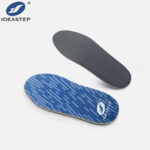
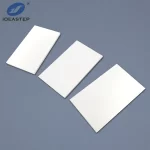
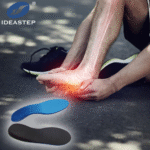
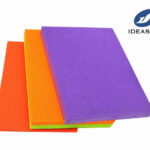
For footwear OEMs, wholesale distributors and clinical foot care providers, consistent material performance is what makes insoles and orthotics dependable. EVA, closed-cell ethylene vinyl acetate foam, remains one of the most trusted substrates for comfort inserts, athletic footbeds, duty boot insoles and medical orthoses. Brands choose it not only for its light weight and accessible cost. It delivers predictable mechanical performance, flexible processing options and customisable grades that scale seamlessly from small-batch clinic orthotics all the way to mass footwear production. This article explores how properly formulated EVA underpins stable product development, and what material checks B2B buyers should include in their specification process.
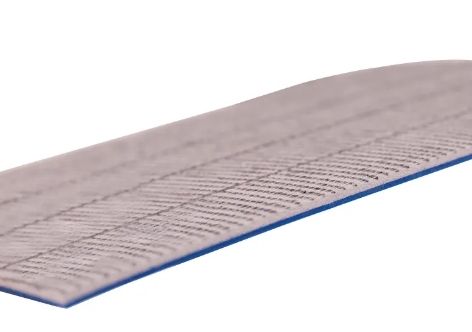
1. Tunable Hardness and Density for Targeted Foot Mechanics
The greatest strength of footwear-grade EVA lies in its customisable formulation. Manufacturers can adjust Shore hardness and density independently to match the end use of each insole. Low-density, soft EVA suits casual comfort inserts where gentle cushioning and slim profiles matter most. Medium grades strike a good balance of flex and support for athletic and lifestyle footwear, while higher-density, firmer EVA forms the structural core for work, tactical and orthotic products that need steady arch support.
This adaptability makes zoned, dual-density designs simple to execute. A firmer EVA section stabilises the heel and arch, while softer foam under the forefoot preserves natural flexion while walking, running or climbing. Unlike many alternative foams that only come in a narrow firmness range, EVA lets brands build tiered product lines with clear performance differences without switching to an entirely different base material.
2. Controlled Compression Set for Long-Term Shape Retention
Cheap insoles often fail because the foam permanently flattens. After weeks of standing, marching or repeated impact, low-quality foam loses thickness and support. Premium footwear EVA is engineered for low compression set, so it bounces back to its original shape after bearing continuous load. This is critical for orthotic and premium footwear lines, since users rely on steady contouring and even pressure distribution over months of wear.
For B2B sourcing, compression set testing should be a core requirement. Insoles built for tactical, industrial or clinical use need stricter compression recovery than basic disposable comfort inserts. When the material holds its shape, the finished orthotic maintains its corrective alignment, cuts return rates and helps brands build trust with retailers and clinics.
3. Thermoformable and Machinable for Both Mass Runs and Custom Orthotics
EVA is a thermoplastic foam, opening two valuable production paths that many competing materials cannot handle equally well. It can be thermoformed over moulds for high-volume OEM insole orders, or milled from solid blocks on CNC machines to create patient-specific orthotics from foot scan data.
This dual processing capability works well for suppliers serving mixed customer groups. Footwear brands place bulk orders for die-cut or thermoformed insoles, while podiatry clinics and rehabilitation partners need scan-milled custom orthoses from the same EVA grade. One qualified EVA substrate supports both business streams, simplifying inventory management, material validation and quality control.
4. Closed-Cell Structure Resists Moisture and Contamination
Footwear-grade closed-cell EVA does not readily soak up water and sweat. This sets it apart from open-cell foams, which absorb moisture, grow heavy, develop odours and recover slowly once wet. For tactical, hiking, work and diabetic orthotic lines, moisture resistance directly improves hygiene and service life.
It also bonds easily with top covers. Suppliers can laminate antimicrobial, moisture-wicking or low-friction fabric skins onto the EVA base, pairing the stable foam core with surface properties built for hot, humid or high-sweat environments. The EVA substrate stays dimensionally stable even when the top layer goes through repeated cleaning.
5. Consistent Batch-to-Batch Quality for Reliable OEM Production
Scalable footwear and orthotic programmes live or die by repeatability. Virgin, formulated EVA sheets and blocks feature uniform cell structure, consistent colour and predictable physical performance across production batches. When sourced from a certified manufacturer, the same CAD contour will perform consistently whether the order is 2,000 pairs or 20,000 pairs.
By contrast, poorly blended or recycled EVA often has uneven hardness, inconsistent thickness and visual flaws. Variation between sheets means extra sampling, fit issues inside shoe lasts and headaches when fitting clinical orthotics. For B2B buyers, material certifications and batch test reports are not optional extras; they protect the integrity of your finished product range.
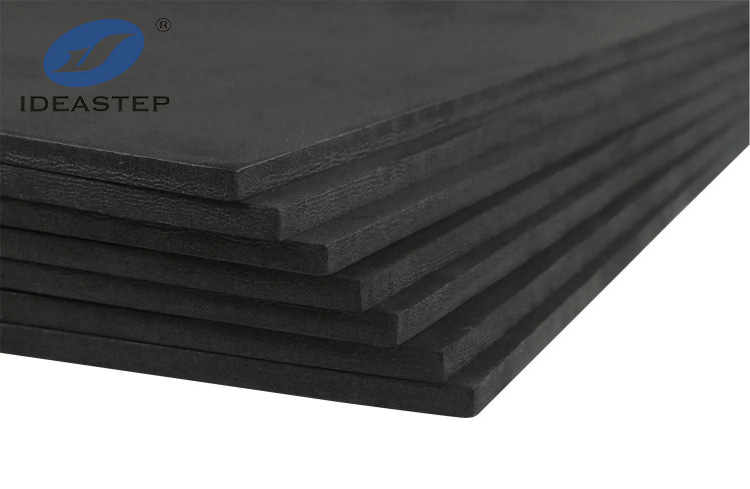
6. Compatible With Medical-Grade Orthotic Requirements
EVA is widely used in clinical orthotics, though it must be specified carefully for medical applications. Orthotic-grade EVA can pass biocompatibility testing, come with full traceability, and fit into CE and ISO-compliant workflows for diabetic insoles, high arch support, metatarsal pain relief and post-injury foot alignment.
Not every EVA sheet qualifies as medical grade. Buyers must separate general comfort EVA from orthotic-grade formulations in their specs. Medical variants require complete documentation, controlled additive mixes and formal traceability. When properly qualified, EVA becomes a practical clinical material that balances corrective function, patient comfort and production cost.
Key Material Specification Checklist for B2B Partners
- Hardness and density matched to your footwear category or clinical use case
- Compression set data validated for the expected load and usage cycle
- Processing compatibility: die cutting, thermoforming or CNC milling
- Moisture resistance suited to your target operating environment
- Certification level: general footwear grade or medical orthotic grade
- Colour, camouflage or surface finish options, including custom laminates
Many development delays happen when buyers pick generic EVA foam without defining these parameters. A foam that works fine for casual shoe insoles may break down quickly in a tactical boot orthotic, even if it looks identical at first glance.
Final Takeaway
EVA’s real value for insole and orthotic development comes from deliberate material engineering, not just lightweight cushioning. Tunable hardness, reliable compression recovery, flexible fabrication and stable closed-cell structure make it suitable for everything from retail comfort inserts to scan-based medical orthoses. By setting clear EVA specifications and working with suppliers that provide consistent test documentation, footwear OEMs and foot care distributors build more reliable product lines, reduce fit-related complaints and create room for differentiated premium offerings.
If you are developing insoles or orthotics and need EVA sheets with custom hardness, dual-density layering or medical-grade documentation, reach out to our team to walk through your material and sampling requirements.
Browse Related Products: https://www.aideastep.com/product/thin-eva-foam-sheets-for-shoe-midsole-manufacturing-with-adjustable-hardness/.