If you are planning to place EVA foam mats, pads, or protective sheets on vinyl plank flooring, you may wonder whether the foam will leave marks, cause discoloration, or affect the surface over time.
In most normal indoor applications, EVA foam is safe for vinyl plank flooring when the material is properly manufactured and used correctly. EVA foam is lightweight, flexible, and non-abrasive, making it a popular choice for protective layers, cushioning pads, and floor protection applications.
However, the interaction between any material and vinyl flooring depends on factors such as foam quality, additives, surface conditions, temperature, and how long the materials remain in contact.
This guide explains how EVA foam interacts with vinyl plank flooring, what potential concerns to consider, and how to use EVA foam safely.
What Is EVA Foam?
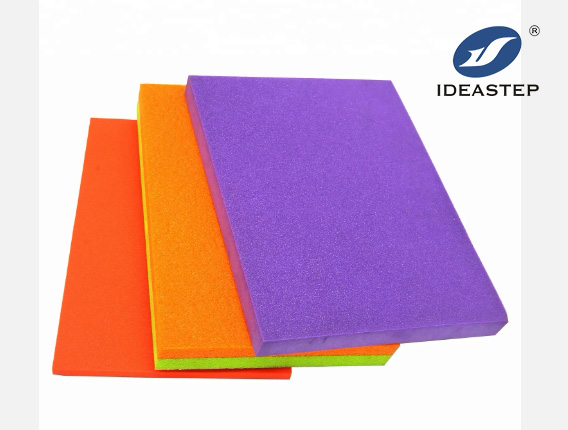
EVA stands for Ethylene Vinyl Acetate, a closed-cell foam material widely used in applications that require lightweight cushioning, flexibility, and impact protection.
The structure and performance of EVA foam can be adjusted by changing its formulation, density, and hardness. This allows EVA to be produced with different levels of softness, durability, and support.
Key characteristics of EVA foam include:
- Low water absorption: Closed-cell construction helps limit moisture absorption.
- Soft cushioning: Provides a comfortable and protective contact surface.
- Lightweight structure: Adds protection without creating excessive weight.
- Flexibility: Allows the foam to adapt to different surfaces and applications.
Because of these properties, EVA foam is commonly used for protective mats, cushioning layers, footwear components, and various household applications.
Why Is EVA Foam Generally Safe for Vinyl Plank Flooring?
EVA Foam Is Chemically Stable Under Normal Conditions
Well-formulated EVA foam is generally chemically stable and does not usually cause surface damage to vinyl flooring under normal indoor conditions.
Unlike some materials that may contain unstable pigments or additives, quality EVA foam is often selected for applications where a clean and non-marking contact surface is important.
However, the final performance depends on the foam formulation. Different manufacturers may use different additives, colors, and processing methods, so material quality still matters.
EVA Foam Provides a Soft Protective Barrier
One of the main reasons EVA foam is used on flooring surfaces is its cushioning ability.
When placed under furniture, equipment, or protective covers, EVA foam helps reduce direct pressure between hard objects and vinyl flooring. Its soft structure can help minimize scratches, impact marks, and surface abrasion during normal use.
EVA Foam Is Non-Abrasive
Vinyl plank flooring has a relatively durable surface, but rough or hard materials can still create scratches over time.
EVA foam has a smooth and flexible surface, making it less likely to damage vinyl flooring compared with abrasive materials.
Can EVA Foam Cause Discoloration on Vinyl Plank Flooring?
In most cases, properly manufactured EVA foam does not cause discoloration on vinyl plank flooring. However, marks or color changes can sometimes occur depending on the materials involved and the environment.
Potential causes may include:
- Color transfer: Low-quality pigments in colored foam may migrate to the flooring surface.
- Additive instability: Certain formulations may contain additives that are not suitable for long-term contact with some surfaces.
- Heat exposure: High temperatures can accelerate material changes over time.
- Trapped moisture: Long-term moisture between the foam and flooring may affect the surface condition.
In many cases, problems are not caused by EVA foam itself but by unstable additives, pigments, or unsuitable material formulations.
Does EVA Foam Trap Moisture Under Vinyl Flooring?
EVA foam has a closed-cell structure, which means it absorbs very little water compared with many open-cell foam materials.
This low moisture absorption makes EVA suitable for many protective applications. However, EVA foam is not designed to act as a waterproof barrier for permanently sealed areas.
If moisture becomes trapped between the foam and vinyl flooring for a long period, it may create an environment where flooring issues can develop.
For safer long-term use:
- Keep the flooring surface clean and dry before placing EVA foam.
- Avoid placing wet materials directly on EVA foam.
- Allow airflow when possible for permanent or semi-permanent applications.
- Inspect the contact area periodically.
Does EVA Foam Need a Protective Layer Between Vinyl Flooring?
For most temporary or everyday uses, EVA foam can usually be placed directly on vinyl plank flooring without an additional barrier.
However, for long-term applications, heavy equipment, or large areas covered for extended periods, testing a small section first is recommended.
A simple compatibility test can help confirm that the specific EVA foam and vinyl flooring combination performs well together.
Common Uses of EVA Foam on Vinyl Plank Flooring
Because EVA foam combines cushioning, flexibility, and surface protection, it is used in many situations where vinyl flooring needs additional protection.
Furniture Protection Pads
EVA foam pads placed under furniture legs can help distribute pressure and reduce the risk of scratches or dents on vinyl flooring.
Exercise and Standing Mats
EVA foam mats are commonly used in home gyms, workshops, and standing work areas because they provide cushioning and reduce impact on both users and flooring surfaces.
Temporary Floor Protection
During moving, renovation, or maintenance work, EVA foam sheets can provide a soft layer between equipment and vinyl plank flooring.
What Type of EVA Foam Is Best for Vinyl Flooring?
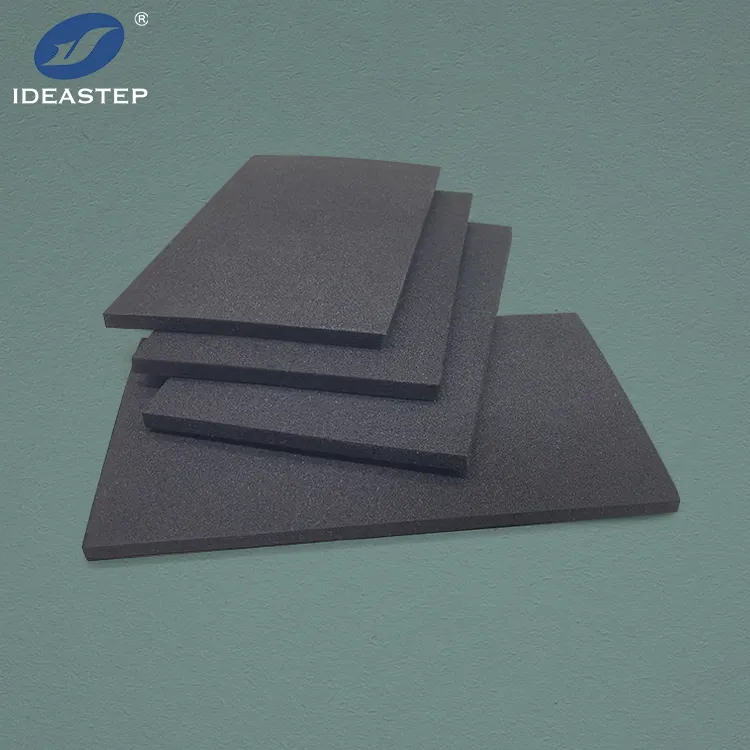
Not all EVA foam products have the same performance. When selecting EVA foam for use on vinyl plank flooring, consider the following factors:
- Material quality: Choose EVA foam with stable formulation and reliable processing.
- Density: The correct density provides suitable cushioning without excessive compression.
- Thickness: Thickness should match the intended application and pressure requirements.
- Surface finish: A clean, smooth surface helps reduce the risk of abrasion.
- Color stability: Stable pigments help prevent possible color transfer.
How to Test EVA Foam Before Long-Term Use
If you are unsure whether a specific EVA foam product is suitable for your vinyl flooring, a simple test can help reduce potential risks.
- Clean a small hidden area of the vinyl flooring.
- Place a small piece of EVA foam on the surface.
- Leave it in place for several days or longer.
- Remove the foam and check for discoloration, marks, or surface changes.
This method is especially useful when using colored foam, thick foam sheets, or materials intended for long-term contact.
Frequently Asked Questions
Will EVA foam scratch vinyl plank flooring?
No. EVA foam is soft and non-abrasive, so it is unlikely to scratch vinyl flooring during normal use.
Can EVA foam be placed directly on vinyl plank flooring?
Yes. In most cases, quality EVA foam can be placed directly on vinyl plank flooring. Keeping both surfaces clean and dry is recommended.
Does EVA foam contain chemicals that damage vinyl flooring?
Properly manufactured EVA foam is generally safe for common flooring applications. However, different formulations may contain different additives, so material quality is important.
How long can EVA foam stay on vinyl flooring?
The suitable contact time depends on the environment, foam quality, and flooring type. For long-term placement, periodic inspection is recommended to ensure the surface remains in good condition.
Conclusion
So, is EVA foam safe for vinyl plank flooring? In most situations, yes. EVA foam is lightweight, flexible, non-abrasive, and generally compatible with vinyl surfaces when properly manufactured and used.
The key factors are material quality, stable formulation, moisture control, and proper application. Choosing reliable EVA foam and testing the material before long-term use can help protect both the foam and vinyl flooring.
Related Articles:
What Is an EVA Foam Insole?
Is EVA Material Good for Feet?