Parents often see EVA foam in baby play mats, floor tiles, bath toys, and children’s sandals, but may not know much about the material itself. Questions about chemical safety, odor, durability, and whether it is suitable for babies are common—especially for products that babies touch every day.
In general, EVA foam is considered safe for use in many baby products when it is properly manufactured, tested, and used as intended. The safety of a finished product depends not only on the EVA material itself, but also on its formulation, production quality, and compliance with applicable safety requirements.
This guide explains what EVA foam is, why it is widely used in baby products, and what parents should look for when choosing EVA foam items for infants and young children.
What Is EVA Foam?
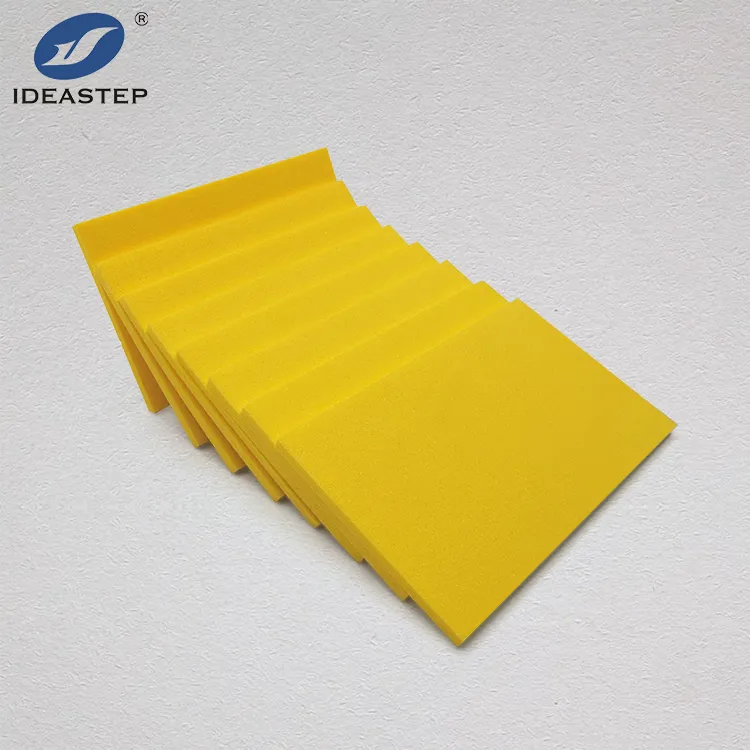
EVA, or Ethylene Vinyl Acetate, is a lightweight closed-cell foam material widely used in products that require cushioning, flexibility, and durability. Its structure contains millions of sealed air cells, allowing it to absorb impact while resisting moisture.
Unlike open-cell foams that can absorb liquids more easily, EVA’s closed-cell structure gives it several practical advantages for everyday household products.
Key properties of EVA foam include:
- Lightweight construction
- Soft cushioning
- Good flexibility
- Low water absorption
- Compression resilience
- Easy maintenance
These characteristics make EVA foam a practical material for products that are frequently used by babies and young children.
Why Is EVA Foam Commonly Used in Baby Products?
During the first years of life, babies spend much of their time rolling, crawling, sitting, and learning to walk. Soft, durable surfaces can make these everyday activities more comfortable while helping reduce minor impacts.
Comfortable Cushioning
EVA foam creates a soft surface that helps cushion a baby’s hands, knees, and body during floor play. While it cannot prevent injuries from serious falls, it can make everyday crawling and play more comfortable.
Lightweight and Easy to Move
EVA is much lighter than many solid flooring materials. This allows parents to easily install, remove, clean, or store play mats and foam tiles whenever needed.
Low Water Absorption
Because EVA has a closed-cell structure, it absorbs very little moisture. Small spills can usually be wiped away without the material becoming saturated, making routine cleaning easier.
Comfortable Floor Surface
Unlike ceramic tiles or concrete floors, EVA foam does not feel as cold when touched. This can provide a more comfortable surface for babies during crawling and floor play, particularly in cooler indoor environments.
Durable for Everyday Use
Quality EVA foam maintains its shape well under normal household use. It can withstand repeated crawling, sitting, and walking without quickly losing its cushioning performance.
Is EVA Foam Safe for Babies?
For most baby products, the answer is yes—provided the product has been manufactured responsibly and meets the safety requirements of the market where it is sold.
It is important to understand that the safety of a baby product depends on more than simply using EVA foam. Manufacturers also need to control:
- Raw material quality
- Chemical formulation
- Production consistency
- Surface coatings and colorants
- Product testing and quality assurance
Depending on the country or region, children’s products may also be evaluated against different chemical and physical safety requirements before entering the market.
What Should Parents Consider When Buying EVA Foam Products?
Choose Products from Reputable Manufacturers
Well-established manufacturers are more likely to maintain consistent production standards and provide information about product testing and regulatory compliance.
Pay Attention to Product Odor
A mild odor may be noticeable immediately after opening some new EVA foam products. This is often related to the manufacturing and packaging process and usually becomes much less noticeable after the product has been aired in a well-ventilated space.
If the odor is unusually strong or persists for an extended period, it is reasonable to contact the manufacturer for additional information before use.
Inspect Products Regularly
Like any frequently used household product, EVA foam items should be checked from time to time for signs of wear.
Look for:
- Cracks or tears
- Loose edges
- Peeling surfaces
- Small detached pieces
Damaged products should be replaced to help reduce potential safety risks.
Can Babies Chew on EVA Foam?
Babies naturally explore their surroundings by putting objects into their mouths. However, EVA foam play mats and floor tiles are designed as floor surfaces, not as teething products.
Parents should discourage babies from chewing foam products and supervise young children during play. If a foam product becomes damaged or begins to break apart, it should no longer be used.
Common Baby Products Made with EVA Foam
EVA foam is frequently found in products designed to provide cushioning and comfort during everyday activities, including:
- Baby play mats
- Interlocking floor tiles
- Children’s sandals
- Protective corner cushions
Different products may use different EVA formulations depending on their intended function and performance requirements.
How to Care for EVA Foam Baby Products
Proper care helps extend the life of EVA foam products and keeps them clean for everyday use.
- Clean with mild soap and water.
- Dry completely before storage.
- Avoid prolonged exposure to direct sunlight or excessive heat.
- Avoid harsh chemical cleaners unless recommended by the manufacturer.
- Replace products that become heavily worn or damaged.
Frequently Asked Questions
Is EVA foam non-toxic for babies?
Properly manufactured EVA foam used in children’s products is generally considered suitable for its intended use. Product quality and compliance with applicable safety standards remain important considerations.
Does EVA foam contain latex?
No. EVA foam does not contain natural latex, making it a suitable material for products where latex-free materials are preferred.
Is EVA foam BPA free?
BPA is not a component of EVA itself. If BPA content is a concern, parents should review the product information or consult the manufacturer for details about the finished product.
Can EVA foam absorb water?
No. EVA foam has a closed-cell structure with low water absorption, making it easy to clean and suitable for everyday household environments.
Conclusion
EVA foam has become one of the most widely used materials in baby products because it combines lightweight cushioning, durability, flexibility, and low water absorption. These properties make it well suited for products such as play mats, floor tiles, and children’s footwear.
Rather than focusing only on the material itself, parents should consider the overall quality of the finished product, including how it is manufactured, tested, and maintained. Choosing products from reputable manufacturers and inspecting them regularly can help provide a safe and comfortable environment for babies during everyday play and development.
Related product links: https://www.aideastep.com/eva/.