Custom Insoles vs Off-the-Shelf Insoles: What Actually Works in Real Use?
In footwear development and insole sourcing, this is one of the most common questions: should you use off-the-shelf insoles or invest in custom insoles?
On paper, both may look similar. In real use, especially under long-hour wear or industrial conditions, the performance gap becomes very clear.
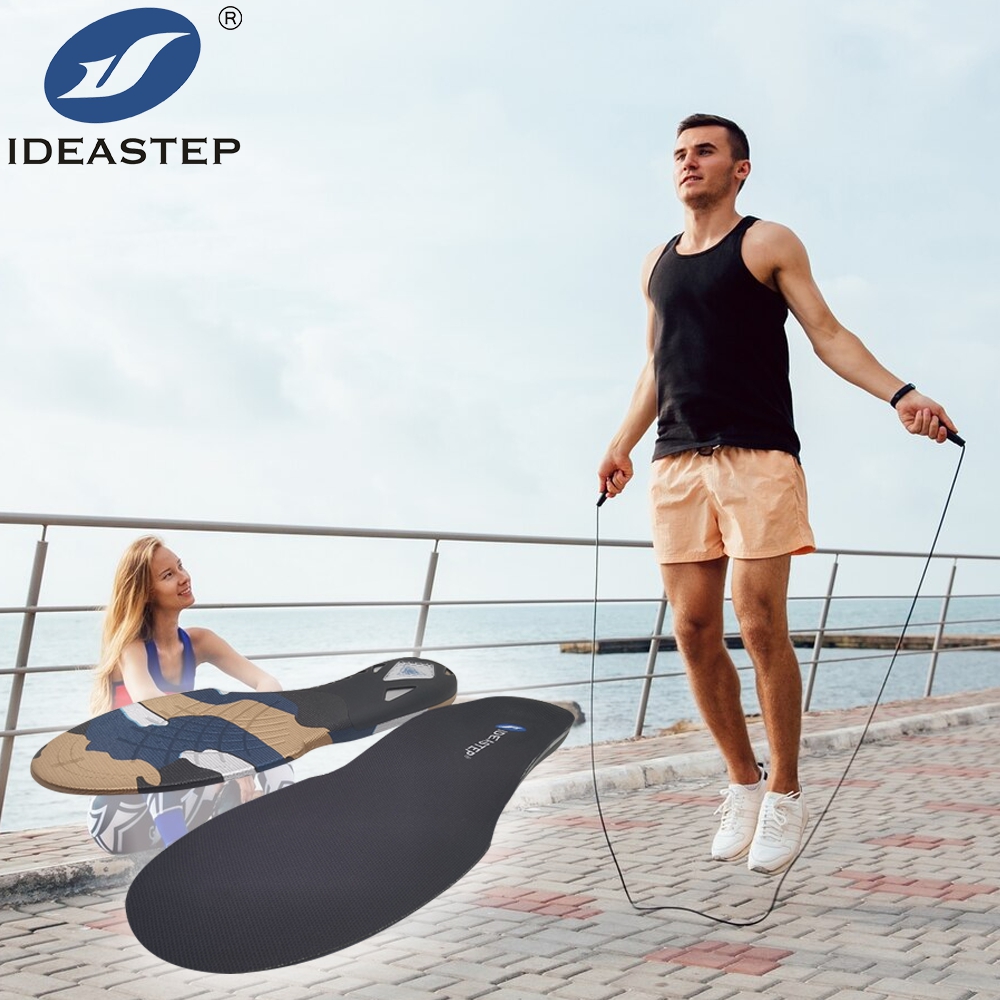
Off-the-Shelf Insoles: Why They Work for Some Users—but Fail in Others
Off-the-shelf insoles are designed for mass production. They are built around one assumption: most users need basic cushioning, not structural support.
This works in short-term or low-intensity use cases. But once the usage becomes daily and prolonged, limitations start to appear.
What they do well
- Provide immediate soft comfort
- Low cost and easy availability
- Suitable for general footwear users
Where problems usually start
- Arch support collapses after continuous use
- Foam compression leads to loss of structure
- Pressure shifts to forefoot over time
In many cases we see, users feel “fine at first”, but discomfort returns after weeks of use. This is usually not a fit issue—it is a structural limitation.
Custom Insoles: Designed Around Foot Structure, Not Just Comfort
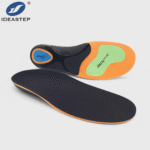
Custom insoles are developed differently. Instead of starting from foam softness, they start from foot structure and load behavior.
That means the goal is not just comfort—it is how the insole behaves under repeated pressure over time.
Core design focus
- Maintaining arch support under long-term load
- Controlling pressure distribution across the foot
- Improving stability during walking and standing
This is why custom insoles are commonly used in orthopedic, sports, and work footwear categories where usage time is high.
The Real Difference: Behavior Under Long-Term Compression
| Aspect | Off-the-Shelf Insoles | Custom Insoles |
|---|---|---|
| Design Logic | One-size-fits-all cushioning | Foot-structure based engineering |
| Long-Term Stability | Decreases over time | Maintains structure longer |
| Pressure Control | Limited | Targeted redistribution |
| Best Use Case | Short daily wear | Long-hour standing or corrective use |
Why Off-the-Shelf Insoles Often Fail in Industrial Use
In real manufacturing feedback and user reports, the main failure point is not comfort—it is compression fatigue.
Once EVA or PU foam loses rebound stability, the insole no longer supports the arch structure. At that point, the product becomes only a thin cushion layer.
When Custom Insoles Make More Sense
Custom insoles are usually chosen when:
- Users stand or walk for long hours daily
- Foot fatigue or pressure issues are recurring
- Brands need differentiated product performance
- Medical or sports performance is required
From a Manufacturing Perspective
The biggest difference between the two is not material—it is control.
Custom insole production allows control over:
- Structure design
- Density distribution
- Material layering
- Consistency across batches
This level of control is what makes OEM custom insoles more suitable for professional applications.
Conclusion: It Is Not About Softness—It Is About Structure
Off-the-shelf insoles focus on immediate comfort. Custom insoles focus on how the foot behaves over time.
In real use, especially in work or high-load environments, structure matters more than softness.
For more information on custom insoles, visit this page: Custom Insoles vs. Standard Insoles: Which is Better for Sports?.