If someone stands for 8–12 hours a day, foot pain is almost never about “lack of comfort”—it usually comes from how long-term pressure is handled by the insole structure.
In real production and product testing, we often see the same issue: many insoles feel soft at first, but lose support quickly after continuous standing use.
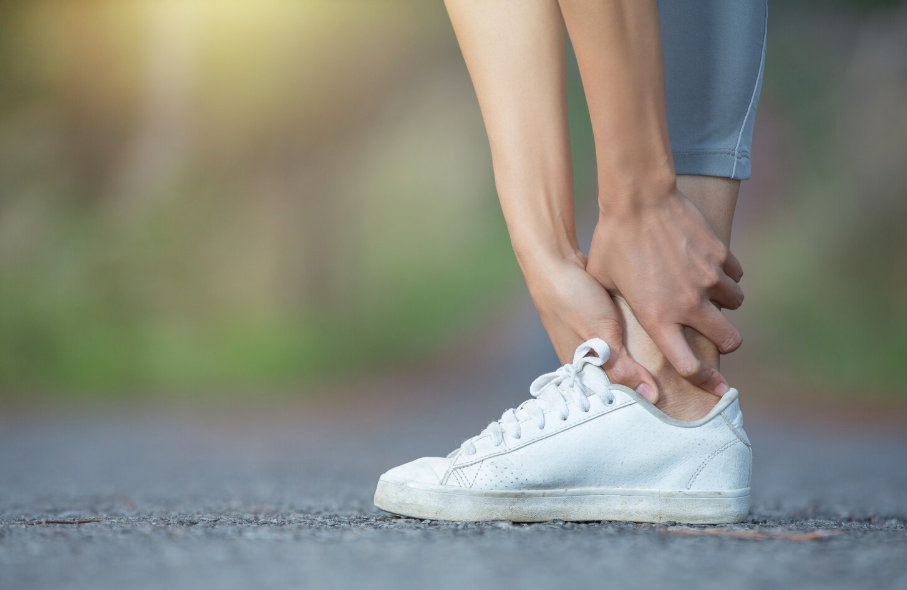
Why Standing All Day Causes Foot Pain
When a person stands for long periods, body weight is constantly transferred through three key areas:
- Heel impact zone under static load
- Forefoot pressure buildup area
- Arch region under continuous support fatigue
The real problem is not time itself, but how pressure gradually concentrates instead of being redistributed.
What Actually Matters in a Standing Work Insole
From a manufacturing perspective, a good insole for long-hour standing must remain stable under compression—not just feel soft in the first 5 minutes.
- Structural arch support to prevent collapse during long standing
- Pressure dispersion design to reduce hotspot fatigue
- Rebound stability that does not degrade quickly
- Compression resistance over time (not just initial hardness)
Why “Soft Insoles” Often Fail in Real Use
A common mistake in product development is assuming softer means better comfort.
In reality, if the material is too soft without structural support, it tends to:
- Flatten under long standing hours
- Lose arch shape support
- Increase forefoot pressure instead of reducing it
This is why many users report that “good at the beginning, uncomfortable after a few weeks.”
Material Choices for Long-Hour Standing Insoles
EVA Foam (Most Common Base Material)
EVA is widely used because it offers a balance between weight, cost, and stability. It is suitable for work shoes and general industrial footwear.
PU Foam (Higher Comfort Range)
PU materials provide a softer landing feel and are often used in premium or comfort-focused footwear designs.
Multi-Layer Structures (More Stable for Work Use)
In many OEM projects, layered structures are used to separate functions—comfort on top, support in the middle, and stability at the base.
Orthotic Insoles vs Regular Insoles (Real Difference in Use)
| Type | Primary Function | Real-World Result |
|---|---|---|
| Regular Insoles | Basic cushioning | Short-term comfort only |
| Orthotic Insoles | Load distribution + structural support | More stable during long-hour standing |
The key difference is not softness—it is whether the insole maintains foot alignment under continuous load.
Who Typically Uses Standing Work Insoles?
In real B2B demand, long-hour standing insoles are mainly used in industries such as:
- Healthcare and hospital staff
- Retail and customer service workers
- Manufacturing and assembly line workers
- Food service and hospitality workers
- Warehouse and logistics operators
How Professionals Choose the Right Insole
In actual sourcing decisions, buyers usually evaluate:
- How long the material maintains support under compression
- Whether arch support structure holds after repeated use
- Compatibility with work shoes or safety footwear
- Expected fatigue reduction over long shifts
Why OEM-Grade Insoles Perform More Consistently
Compared with generic retail insoles, OEM-level products are designed with production stability in mind.
- More consistent batch-to-batch performance
- Better material control during compression testing
- Application-specific structural design
- Lower return rate in long-term use scenarios
Final Takeaway: What Is the Best Insole for Standing All Day?
There is no single “softest” or “most comfortable” insole that works for everyone.
The best choice is the one that maintains:
- Stable arch support under long hours
- Controlled pressure distribution across the foot
- Material resilience under continuous compression
In practice, comfort is not just initial feeling—it is how the insole performs after 8–12 hours of real use.
Related product links: https://www.aideastep.com/product/3d-5-smart-comfort-3d-printed-insole-adaptive-support-daily-wear-solution/.