The demand for custom insoles continues to grow as clinics, footwear brands, and OEM manufacturers shift toward more personalized foot support solutions. Instead of relying only on standard cushioning products, many companies now integrate biomechanical design, digital scanning, and material engineering into their insole development strategies.
Across the global market, several popular brands of custom insoles have established strong positions in sports, clinical, and lifestyle footwear segments. At the same time, OEM manufacturers are gaining more attention from footwear brands that want greater control over design, cost, and customization.
What Are Custom Insoles?
Custom insoles are foot support products designed based on individual foot structure, gait patterns, and pressure distribution. They aim to improve alignment, reduce discomfort, and support long-term foot health.
In real applications, custom insoles are widely used in:
- Podiatry clinics that handle foot pain and biomechanical correction
- Footwear brands that develop performance or comfort-focused product lines
- Sports and rehabilitation programs
- OEM and private-label insole production projects
Why Custom Insoles Matter in Today’s Footwear Market
Clinical Use and Real-World Comfort
Clinics often recommend custom insoles for conditions such as plantar fasciitis, flat feet, and overpronation. In many cases, users report reduced fatigue during long hours of standing or walking after switching from standard insoles.
Instead of general cushioning, custom designs focus on how pressure distributes across the foot during movement.
Product Value for Footwear Brands
Footwear brands increasingly integrate custom insole systems to strengthen product differentiation. In the premium and performance segments, buyers often expect functional support rather than only aesthetic design.
For many brands in Europe and North America, custom insoles have become a way to position products closer to orthopedic or performance-driven categories.
OEM Manufacturing Perspective
From an OEM perspective, custom insoles allow more flexibility in design and production. Instead of depending on fixed molds, manufacturers now use digital workflows to adjust structure, material combinations, and branding requirements.
In most OEM projects, buyers prioritize consistency, scalability, and customization capability when selecting a manufacturing partner.
Popular Brands of Custom Insoles in the Market
Ideastep
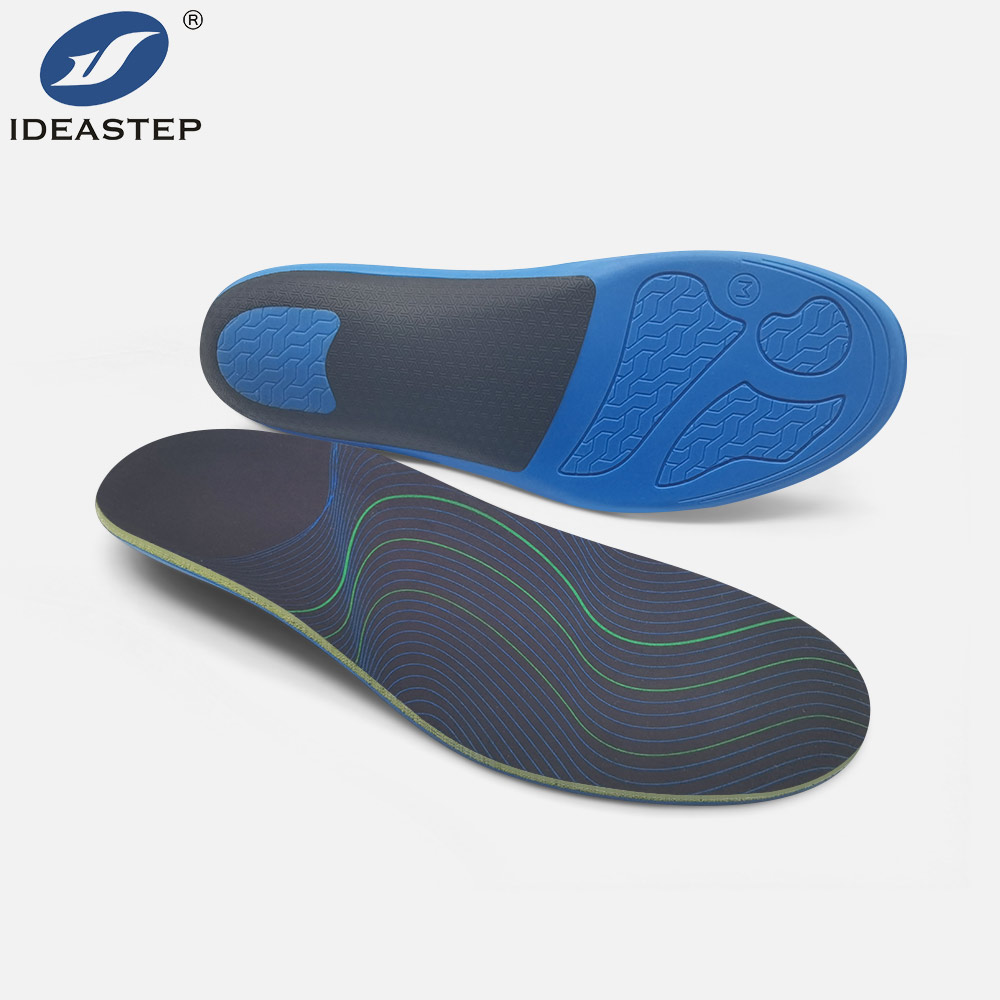
Ideastep is widely used in podiatry clinics and rehabilitation programs. It focuses on functional correction and is often selected in cases where long-term biomechanical support is required.
OEM Custom Insole Manufacturers vs Branded Products
In addition to global brands, many footwear companies now work directly with OEM and ODM manufacturers to develop private-label custom insoles.
The main difference lies in flexibility and control. Brands provide ready-made solutions, while OEM manufacturers allow full customization of structure, material, branding, and packaging.
For many footwear companies, especially those launching new product lines, OEM cooperation offers a more scalable and cost-efficient approach.
Material Technologies Used in Custom Insoles
EVA (Ethylene Vinyl Acetate)
EVA is widely used due to its balance between cushioning and cost efficiency. It remains a standard material in both branded and OEM production systems.
TPU (Thermoplastic Polyurethane)
TPU provides higher durability and structural stability. It is commonly used in performance and orthopedic applications where long-term support is required.
Hybrid Material Systems
Many modern insoles combine EVA and TPU layers. This approach improves both comfort and structural performance, especially in products designed for extended daily use.
Industry Trends in Custom Insoles
The custom insole industry is shifting toward digital design and mass personalization. Instead of traditional manual fitting, many manufacturers now rely on digital foot scanning and CAD-based modeling systems.
In the US and European markets, footwear brands increasingly prefer faster development cycles and more flexible customization options. As a result, OEM manufacturing continues to grow in importance within the supply chain.
How to Choose a Custom Insole Supplier
For B2B buyers, supplier selection is usually based on technical capability, production stability, and customization flexibility.
Key evaluation factors include:
- Biomechanical design capability
- Material engineering expertise
- OEM/ODM customization support
- Production capacity and consistency
- Quality control systems
A reliable supplier should understand both clinical requirements and footwear product development needs.
FAQ
What are custom insoles used for?
Custom insoles are used to support foot alignment, improve comfort, and reduce pressure-related pain during walking or standing.
Are custom insoles better than standard insoles?
In most cases, custom insoles provide better support because they match individual foot structure, while standard insoles focus on general cushioning.
Who typically uses custom insoles?
Clinics, athletes, footwear brands, and rehabilitation centers commonly use custom insoles for both medical and performance needs.
Can custom insoles be produced for OEM brands?
Yes. Many manufacturers offer OEM and private-label services covering design, materials, branding, and packaging.

Conclusion
Popular brands of custom insoles continue to play an important role in the global market, especially in retail and sports segments. At the same time, OEM manufacturers are becoming increasingly important for footwear brands that require higher flexibility and customization.
For companies entering the custom insole market, the key decision usually depends on whether they prioritize ready-made branded solutions or fully customized OEM development.
As demand for personalized foot support continues to grow, custom insole solutions will remain a key segment across clinical, sports, and footwear industries.
Related Post: Ideastep Professional Orthopedic Shoe Inserts Custom – For Medical & Retail