Walking boots are built to provide stability and protection on uneven terrain, but even the best pair can become uncomfortable if the insoles don’t match the demands of long-distance walking. Many hikers and outdoor enthusiasts replace factory insoles with memory foam insoles for walking boots to improve comfort, yet cushioning alone isn’t enough for every hiking environment.
A high-quality walking boot insole should combine comfort, support, durability, and stability. In this guide, we’ll explain when memory foam is the right choice, when additional support is needed, and how footwear brands can develop better walking boot insoles through OEM customization.
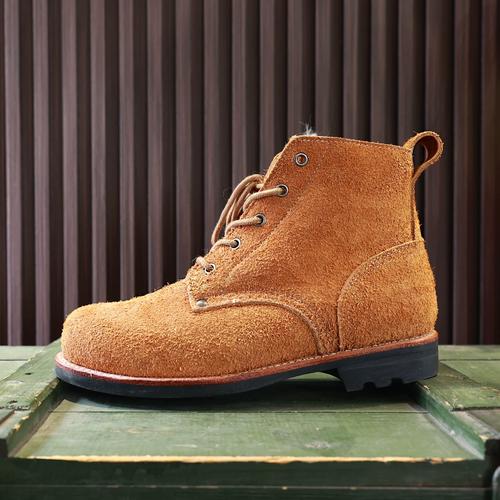
Why Walking Boots Need Specialized Insoles
Unlike everyday sneakers, walking boots are designed for extended wear and challenging terrain. They often feature stiffer midsoles, deeper tread patterns, and higher ankle support to improve stability during outdoor activities.
While these features protect the foot, they also place greater demands on the insole. Long hours of walking, uneven surfaces, and carrying backpacks increase pressure on the heel, arch, and forefoot. Without proper cushioning and structural support, foot fatigue can develop more quickly.
This is why many outdoor footwear brands invest in specialized walking boot insoles rather than relying on standard foam inserts.
What Are Memory Foam Insoles?
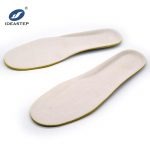
Memory foam is a slow-rebound polyurethane material that gradually adapts to the shape of the foot under pressure. Instead of creating a few high-pressure contact points, it distributes body weight across a larger surface area, improving overall comfort.
Depending on the material formulation, memory foam can vary in density, recovery speed, and compression resistance. These characteristics influence how well the insole performs during prolonged walking and repeated use.
For everyday walking and light outdoor activities, memory foam delivers a noticeably softer underfoot experience while helping reduce localized pressure.
Are Memory Foam Insoles Good for Walking Boots?
The answer depends on how and where the boots will be used.
Ideal for Daily Walking and Light Hiking
For urban walking, travel, park trails, and weekend hikes, memory foam insoles provide excellent cushioning and pressure distribution. They help reduce discomfort during moderate walking distances and are often preferred by users seeking immediate comfort.
Long-Distance Hiking Requires More Support
When hiking over rough terrain or carrying a heavy backpack, comfort alone is no longer enough. During prolonged walking, the arch helps distribute body weight and stabilize foot movement. Without sufficient support, repeated loading may increase foot fatigue and reduce overall walking efficiency.
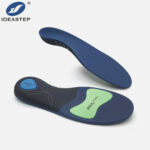
In our experience developing custom insoles for outdoor footwear brands, most performance walking boot insoles combine memory foam with structural support materials rather than relying on memory foam alone.
A multi-layer construction typically delivers better long-term performance:
- Memory Foam – Soft cushioning and pressure relief.
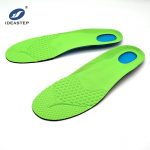
- High-Density EVA – Lightweight shock absorption and structural stability.
- PU Support Layer – Improved durability and compression resistance.
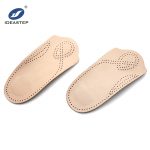
- Anatomical Arch Support – Better foot alignment and walking stability.
This combination provides a better balance between comfort, support, and durability for walking boots.
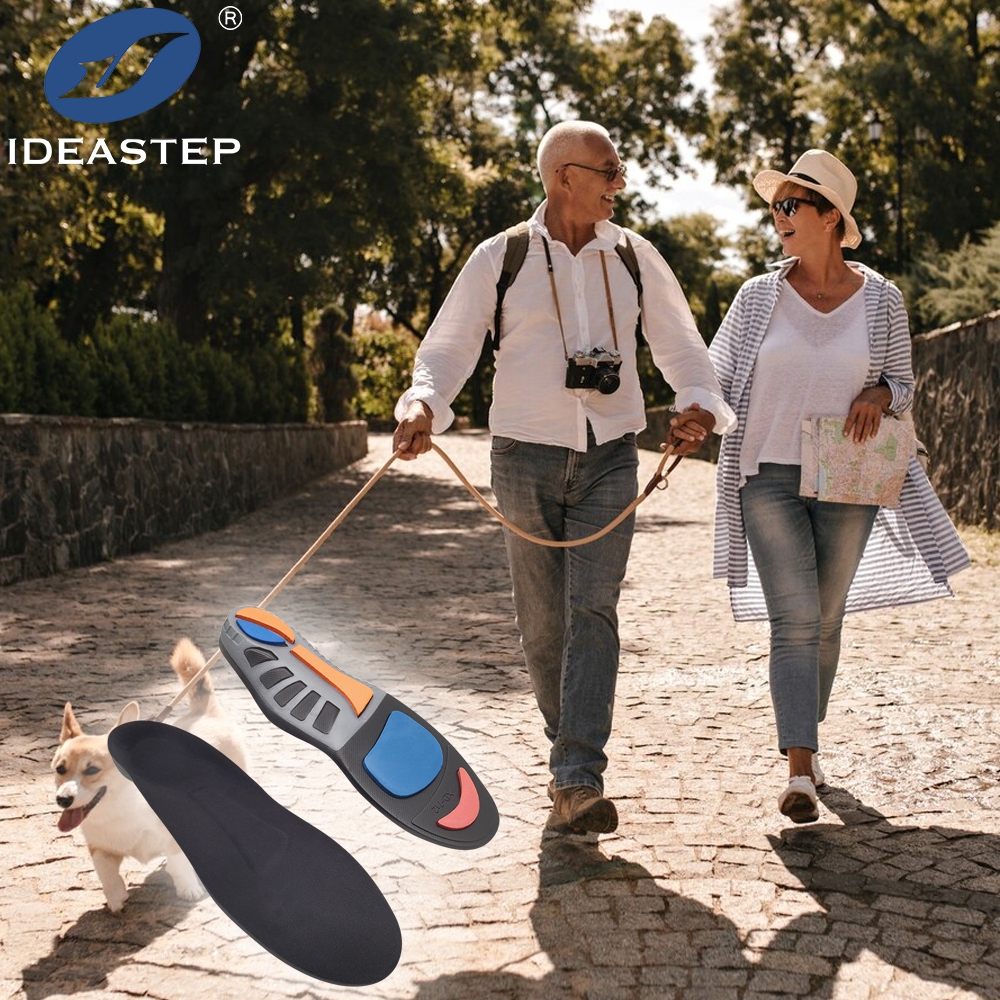
How to Choose the Right Walking Boot Insoles
Prioritize Support Over Softness
A soft insole may feel comfortable during the first few minutes, but long-term walking performance depends on maintaining proper foot alignment. Insoles with ergonomic arch support generally perform better during extended outdoor activities.
Choose the Right Material Combination
Memory foam works best when combined with supportive materials such as EVA or PU. Multi-density constructions help maintain cushioning while improving durability and reducing long-term compression.
Look for Breathable Materials
Walking boots generate heat and moisture during extended use. Moisture-wicking top covers, breathable fabrics, and antimicrobial treatments help improve comfort while reducing odor and humidity inside the boot.
Ensure Proper Fit
An insole should match the internal shape of the walking boot. Excessive thickness may reduce toe space and affect overall stability, while an insole that is too thin may not provide sufficient cushioning.
OEM & Custom Memory Foam Insoles for Walking Boots
As outdoor footwear continues to evolve, many brands are choosing customized insole solutions to improve product performance and strengthen brand differentiation.
A reliable OEM manufacturer should be able to customize:
- Memory foam density and thickness
- High-density EVA support layers
- Arch support height
- Heel cup structure
- Top cover materials
- Anti-slip bottom layers
- Logo printing and private labeling
- Retail packaging
Before mass production, professional manufacturers should also conduct quality testing such as density measurement, hardness testing, compression resistance, bonding strength evaluation, and durability inspection to ensure consistent product performance.
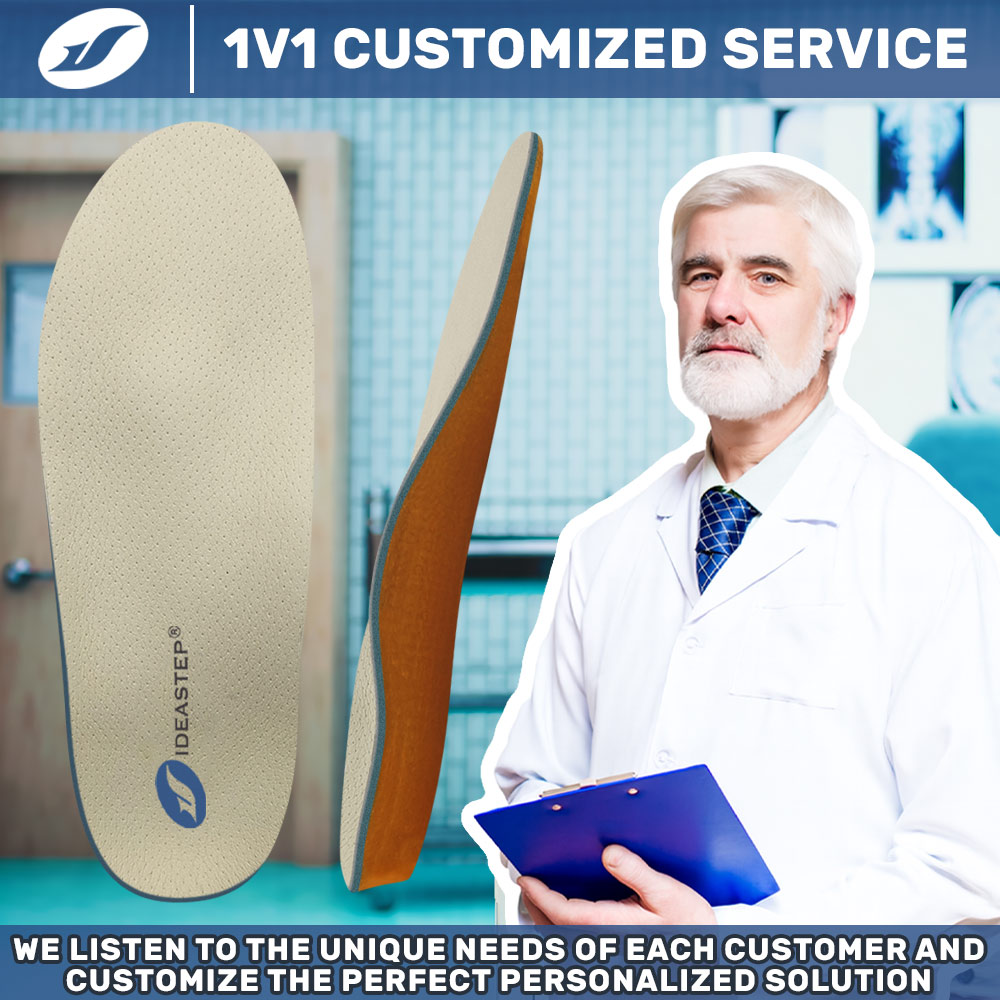
Why Choose Ideastep?
Ideastep has specialized in orthopedic insoles and functional footwear materials for decades, providing OEM and ODM solutions for footwear brands, outdoor companies, distributors, and healthcare professionals worldwide.
Our development team works closely with customers to create walking boot insoles that combine comfort, support, and long-lasting durability.
Our capabilities include:
- Memory foam and EVA material development
- Multi-layer insole engineering
- Custom arch support design
- Strict quality control throughout production
- OEM & ODM manufacturing
- Private label and packaging customization
From prototype development to large-scale production, we help customers launch reliable insole products that meet the performance expectations of today’s outdoor footwear market.
Conclusion
Memory foam insoles can significantly improve the comfort of walking boots, but the best results come from combining cushioning with structural support. For outdoor footwear designed for extended walking, multi-layer constructions that integrate memory foam, EVA, and ergonomic arch support offer better long-term performance than memory foam alone.
Whether you’re developing a new hiking boot collection or upgrading an existing product line, selecting the right insole design can improve user comfort, reduce foot fatigue, and increase the value of your footwear products.
Looking for a reliable manufacturer of memory foam insoles for walking boots? Ideastep provides customized OEM and ODM insole solutions for footwear brands, outdoor equipment manufacturers, and distributors worldwide. From material selection and prototype development to bulk production, our experienced team is ready to support your next project.
Contact Ideastep today to request samples, discuss your customization requirements, or receive a tailored quotation for your business.
Frequently Asked Questions
Are memory foam insoles good for walking boots?
Yes. They provide excellent cushioning and pressure relief for daily walking, travel, and light hiking. For demanding outdoor activities, a multi-layer insole with additional arch support is generally a better choice.
Do memory foam insoles provide arch support?
Memory foam itself offers cushioning rather than structural support. Many high-performance walking boot insoles combine memory foam with an ergonomic arch support layer to improve stability.
Can memory foam insoles be used for hiking?
They are suitable for light hiking and moderate outdoor use. For long-distance trekking or carrying heavy loads, insoles with EVA reinforcement and supportive structures usually provide better durability and foot stability.
Can walking boot insoles be customized?
Yes. OEM manufacturers like Ideastep can customize material density, thickness, arch support, top cover materials, logo, packaging, and other specifications to match different footwear brands and market requirements.
Related Reading:
Memory Foam Insoles for Boots: OEM Solutions for Footwear Brands
Best Memory Foam Insoles for Flat Feet