What Are Orthopedic Shoes?
Orthopedic shoes are supportive footwear used as part of foot and ankle rehabilitation. They are often prescribed for children whose bones and feet are still developing. Genetic factors, abnormal foot structure, and poor walking habits may contribute to foot problems. Therefore, when a child develops a foot condition, a healthcare professional can assess whether orthopedic shoes are appropriate.
For mild conditions, orthopedic footwear may help improve support and foot function. However, the choice of treatment depends on the child’s symptoms, foot structure, and stage of development. Early assessment can help identify suitable options and prevent inappropriate footwear choices.
How Orthopedic Shoes Are Prescribed
Professional orthopedic footwear centers often work with physicians, rehabilitation specialists, and technical personnel. These professionals assess clinical signs and biomechanical test results before recommending suitable footwear. In addition, they use principles from clinical medicine and biomedical engineering to guide the design and fitting process.
Orthopedic shoes feature specialized structural designs that help support the foot and ankle. Depending on the prescription, they may help manage foot deformities, joint instability, restricted movement, and discomfort associated with abnormal foot mechanics. Furthermore, appropriate footwear can support daily mobility and help maintain foot function.
For children, properly selected orthopedic shoes may also support healthy foot development. Nevertheless, the expected results depend on the underlying condition and the treatment plan recommended by a qualified healthcare professional.
Types of Orthopedic Shoes
Orthopedic shoes generally fall into two categories: custom-made orthopedic shoes and ready-made orthopedic shoes. Each option has different advantages, depending on the patient’s needs, the complexity of the foot condition, and the available budget.
1. Custom-Made Orthopedic Shoes
Custom-made orthopedic shoes are designed according to the patient’s foot structure, symptoms, and examination results. First, a healthcare professional evaluates the foot and determines the necessary corrections. Then, the footwear is designed and manufactured to meet the individual prescription.
As a result, custom-made shoes can provide a more individualized fit and targeted structural support. However, the manufacturing process generally takes longer, and the overall cost is usually higher than that of ready-made footwear.
2. Ready-Made Orthopedic Shoes
Ready-made orthopedic shoes are manufactured in standard sizes and designs. Because they are produced in batches, they are generally more affordable and readily available. In addition, their shorter supply time makes them a practical option when a standard design meets the patient’s requirements.
For some mild foot conditions and general foot-support needs, ready-made orthopedic shoes may be suitable. However, their effectiveness depends on how well the shoe design matches the individual’s foot structure and clinical requirements.
The Main Components of Orthopedic Shoes
Orthopedic shoes typically consist of three main components: the upper, the sole, and an internal brace or orthotic support. Each component serves a specific purpose. Together, they help provide a suitable fit, stability, and support based on the prescribed design.
1. Shoe Upper
The upper includes the front section, central body, and rear section of the shoe. It is generally constructed from outer materials, lining, and fastening components. Material selection affects breathability, durability, appearance, and overall comfort.
Natural leather is commonly used because it offers durability, breathability, and a classic appearance. Meanwhile, some synthetic fabrics are also suitable alternatives. These materials can be lightweight and available in a wide range of colors and designs.
Orthopedic shoes commonly use two types of fastening systems: traditional shoelaces and hook-and-loop fasteners.
- Shoelaces: They provide adjustable fastening and a secure fit. However, tying and untying them may take more time.
- Hook-and-loop fasteners: They are convenient to fasten and release. Nevertheless, their fastening strength may decrease after prolonged use as the material wears.
2. Shoe Sole
The sole may include an outsole, midsole, heel, and footbed. Depending on the design, manufacturers select different materials to achieve the required balance of durability, flexibility, weight, and traction.
- Cowhide outsole: Made from natural cowhide, this material offers durability and a traditional appearance. However, it generally costs more than many synthetic alternatives.
- Rubber outsole: Rubber compounds offer good wear resistance and can provide reliable traction when appropriately formulated. However, rubber soles may be heavier than some other materials.
- EVA outsole: Ethylene-vinyl acetate (EVA) is lightweight and flexible, making it suitable for cushioning applications. However, wear resistance and traction vary according to the formulation and outsole design, especially on wet surfaces.
- PU outsole: Polyurethane (PU) can provide a lightweight structure, elasticity, and good wear resistance. Its grip on wet surfaces depends on the material formulation and tread design.
In addition to these outsole materials, manufacturers may use leather, PHYLON, EVA, or PU in the midsole and footbed. The final combination depends on the intended application and the requirements of the orthopedic prescription.
3. Internal Brace or Orthotic Support
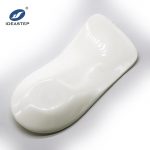
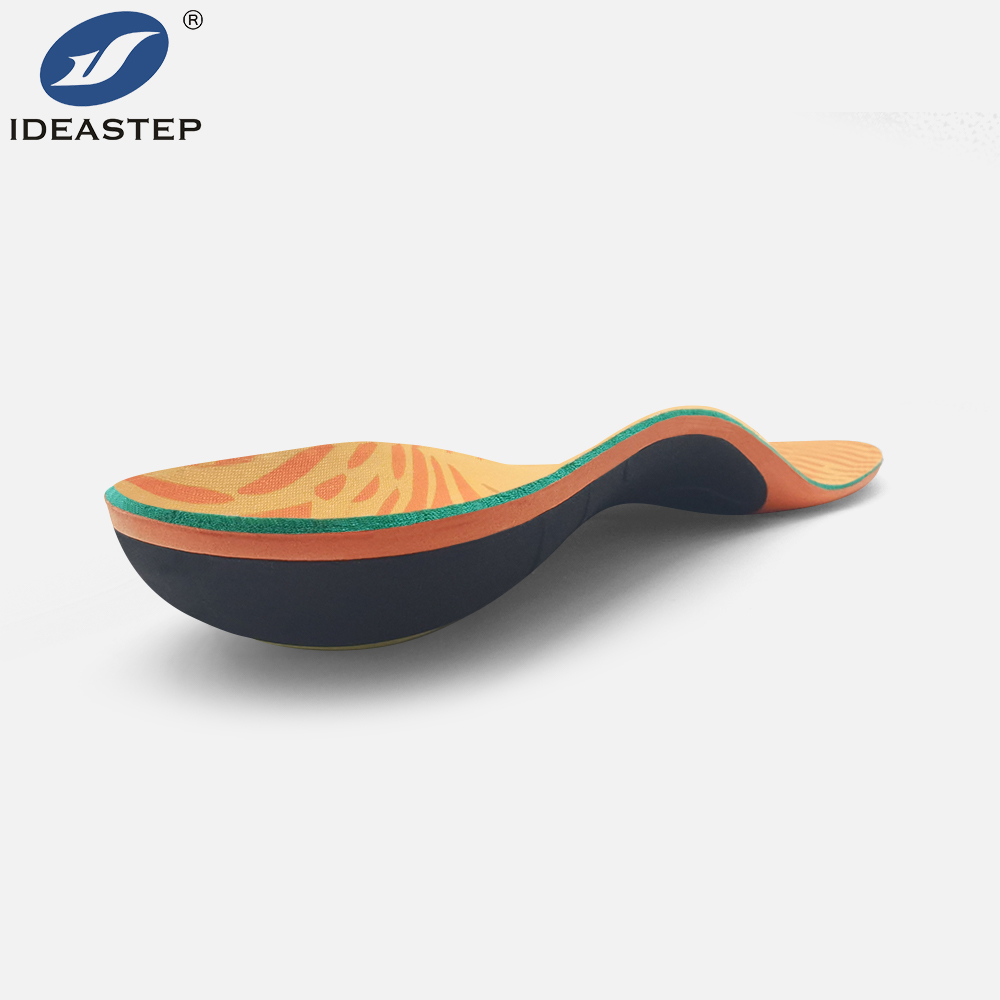
An internal brace provides additional structural support inside the shoe. Depending on the design, it may be made from polypropylene (PP), leather, PU, carbon-fiber composites, or other suitable materials.
Ready-made orthopedic shoes may incorporate standardized internal supports. In contrast, custom-made designs can accommodate orthotic components manufactured according to an individual prescription. Consequently, the internal structure can be adapted to the patient’s specific support requirements.
Special Sole and Heel Designs
Orthopedic shoes may incorporate specialized heel and sole features to address different biomechanical needs. The appropriate design depends on the patient’s foot structure, gait, and clinical assessment.
1. SACH Heel
A SACH heel uses a resilient material in the heel area to help absorb impact during initial ground contact. As a result, it can reduce the shock transmitted through the heel and ankle during walking.
2. Thomas Heel
A Thomas heel extends forward along the medial side of the shoe. This design is intended to provide additional support to the medial longitudinal arch.
3. Reverse Thomas Heel
A reverse Thomas heel extends forward along the lateral side of the shoe. Depending on the prescription, it may help support the lateral longitudinal arch.
4. Wedge Heel
A wedge heel incorporates additional material along the medial or lateral side of the heel. This design can help adjust the alignment of the heel and influence how forces are distributed across the foot.
5. Rocker Sole
A rocker sole features a curved profile in the forefoot or metatarsal region. By changing the shoe’s rollover pattern, it can help facilitate forward movement during walking and reduce the need for certain foot joints to bend.
6. Metatarsal Support
Metatarsal support features may include a raised pad or a specially shaped section beneath the forefoot. These features can help redistribute plantar pressure and improve weight distribution across the metatarsal region.
7. Shoe Lift
A shoe lift adds height to the sole to compensate for a difference in leg length. The required height should be determined through appropriate clinical assessment to ensure that the adjustment meets the patient’s needs.
Common Orthopedic Shoe Styles
Orthopedic shoes are available in both traditional and modern styles. The best option depends on the prescribed correction, the required internal space, and the patient’s preferences.
1. Traditional Styles
Traditional orthopedic footwear often uses lace-up designs. Common examples include Oxford, Derby, and Gibson styles. These designs can provide adjustable fastening and accommodate a range of structural requirements, depending on the shoe’s construction.
2. Modern Styles
Modern orthopedic shoes are available in a wider variety of designs. However, appearance should not take priority over functional requirements. The selected style must provide enough internal space for the prescribed orthotic components and maintain the required fit and support.
For custom-made footwear, designers can consider the patient’s preferences while following the orthopedic prescription. In this way, the final design can balance appearance, comfort, and functional requirements.
How Orthopedic Shoe Prescriptions Are Designed
An orthopedic shoe prescription should be developed by a qualified healthcare professional with relevant clinical experience. The assessment typically considers the type and stage of the condition, previous treatment, physical examination findings, and foot biomechanics.
Based on these findings, the professional determines the appropriate support and correction requirements. The prescription should also establish clear treatment goals for the short, medium, and long term. This approach helps align footwear design with the patient’s clinical and rehabilitation needs.
In addition, prescription design should account for several practical factors, including manufacturing feasibility, appearance, comfort, durability, and the patient’s preferences. These considerations help ensure that the footwear is suitable for both its intended function and everyday use.
Finally, regular follow-up is important, particularly for growing children or patients whose foot structure and symptoms may change over time. Through ongoing assessment, healthcare professionals can determine whether adjustments or a revised prescription are necessary.