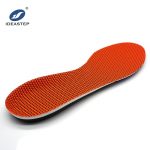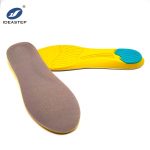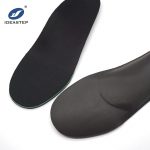
Running shoes need to balance cushioning, flexibility, stability, and weight. For footwear designed for runners with flatter arches, the insole can be used to add structure around the midfoot without making the shoe feel bulky.
Arch support insoles for flat feet running are typically built around a low-profile support structure combined with lightweight cushioning materials. The exact construction depends on the shoe design, available internal space, and intended use.
For sports footwear manufacturers, important factors include arch geometry, insole thickness, material density, flexibility, durability, and fit inside the shoe.
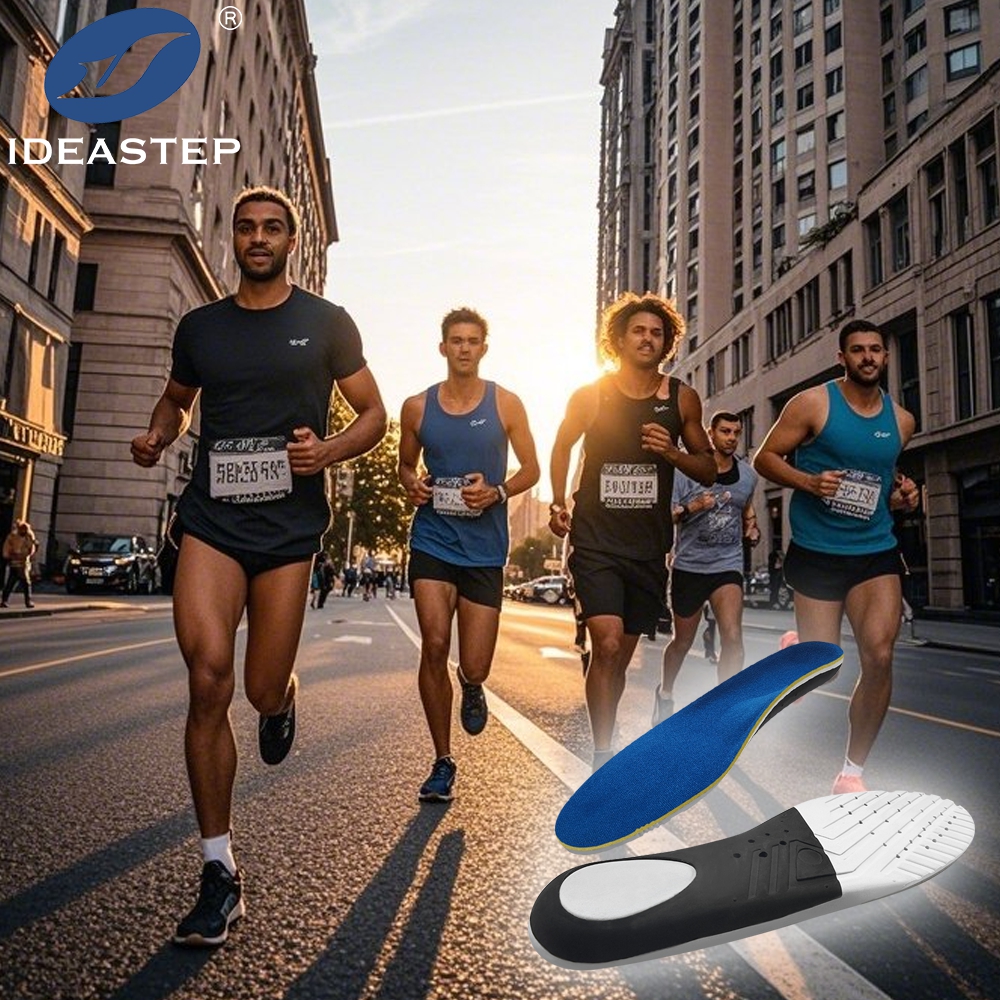
What Are Arch Support Insoles for Flat Feet Running?
Arch support insoles for flat feet running are designed with a shaped midfoot area that provides additional support while maintaining the flexibility expected from running footwear.
Unlike a rigid orthotic shell, a sports insole can use a combination of foam and flexible support materials. This allows the construction to remain relatively lightweight while providing more structure than a basic flat foam insert.
They can be used in:
- Running shoes
- Training shoes
- Walking and fitness footwear
- Lightweight sports shoes
The insole shape should be developed around the shoe last and footbed rather than treated as a separate component.
Why Lightweight Construction Matters
Weight and internal volume are important considerations in running footwear. An overly thick or heavy insole can change the fit of the shoe and reduce the space available for the foot.
A low-profile construction can provide support while preserving the original feel of the footwear.
Low-Profile Design
Thin foam layers and strategically positioned support components can reduce unnecessary bulk.
This is particularly useful for running shoes with limited internal volume, where even small changes in insole thickness can affect the fit.
Controlled Flexibility
Running insoles do not necessarily need to be rigid across the entire footbed. Support can instead be concentrated in specific areas, such as the arch and heel.
For example, a flexible EVA base can be combined with a TPU support component in the midfoot. This creates a more targeted structure while allowing the forefoot to remain flexible.
Arch Support Design for Running Footwear
Arch support should be considered together with the heel and forefoot rather than as an isolated feature.
Arch Profile
The arch geometry can be adjusted according to the footwear design and target application.
Key parameters include:
- Arch height
- Arch length
- Arch contour
- Support area
- Transition between the arch and forefoot
A well-designed profile should sit correctly within the shoe and avoid creating unnecessary pressure points.
Heel and Midfoot Support
The heel and midfoot structure can influence how the insole sits inside the shoe.
A molded heel area can help maintain positioning, while TPU or other structural materials can be added around the arch or heel when additional support is required.
The goal is not simply to make the insole harder. Different materials can be assigned different functions within the same construction.
Materials Used in Lightweight Running Insoles
The choice of materials affects the weight, cushioning, flexibility, and durability of the finished insole.
EVA Foam
EVA is commonly used in running insoles because it offers a useful combination of low weight, flexibility, and processability.
Different densities and hardness levels can be selected for cushioning layers or support bases. EVA can also be molded into different profiles to match the required arch shape.
TPU
TPU is useful when a running insole requires additional structural support without using a full rigid shell.
It can be integrated into selected areas of the insole, such as the arch or heel, while the surrounding foam remains flexible.
PU and Memory Foam
PU foam and memory foam can be incorporated when cushioning and surface comfort are priorities.
They are often used as part of a layered construction rather than as the sole structural material. Combining them with EVA or TPU allows manufacturers to adjust the overall balance between cushioning and support.
Key Design Factors for Sports Insoles
When developing arch support insoles for running shoes, several specifications need to be considered together.
Weight: Keep the construction lightweight without removing necessary structural components.
Thickness: Match the insole thickness to the available space inside the shoe.
Arch geometry: Position and shape the support area according to the shoe last and intended application.
Cushioning: Select the foam type and density based on the desired underfoot feel and product positioning.
Flexibility: Allow sufficient movement through the forefoot and other areas where flexibility is required.
Durability: Check the foam, support components, and bonding method for the expected usage conditions.
These factors are interdependent. Changing the foam density or support structure, for example, can also change the overall flexibility and fit.
OEM and ODM Running Insole Development
Sports footwear brands may require an insole that is designed specifically around their shoe construction rather than using an off-the-shelf insert.
OEM and ODM development can cover:
- Custom insole shapes
- Customized arch profiles
- Foam density
- Insole thickness
- EVA, PU, or TPU construction
- Top-cover materials
- Logo printing
- Private labeling
- Custom packaging
The construction can also vary between product lines. A road running shoe may require a thinner and more flexible design, while a training or outdoor shoe may allow more room for cushioning and structural components.
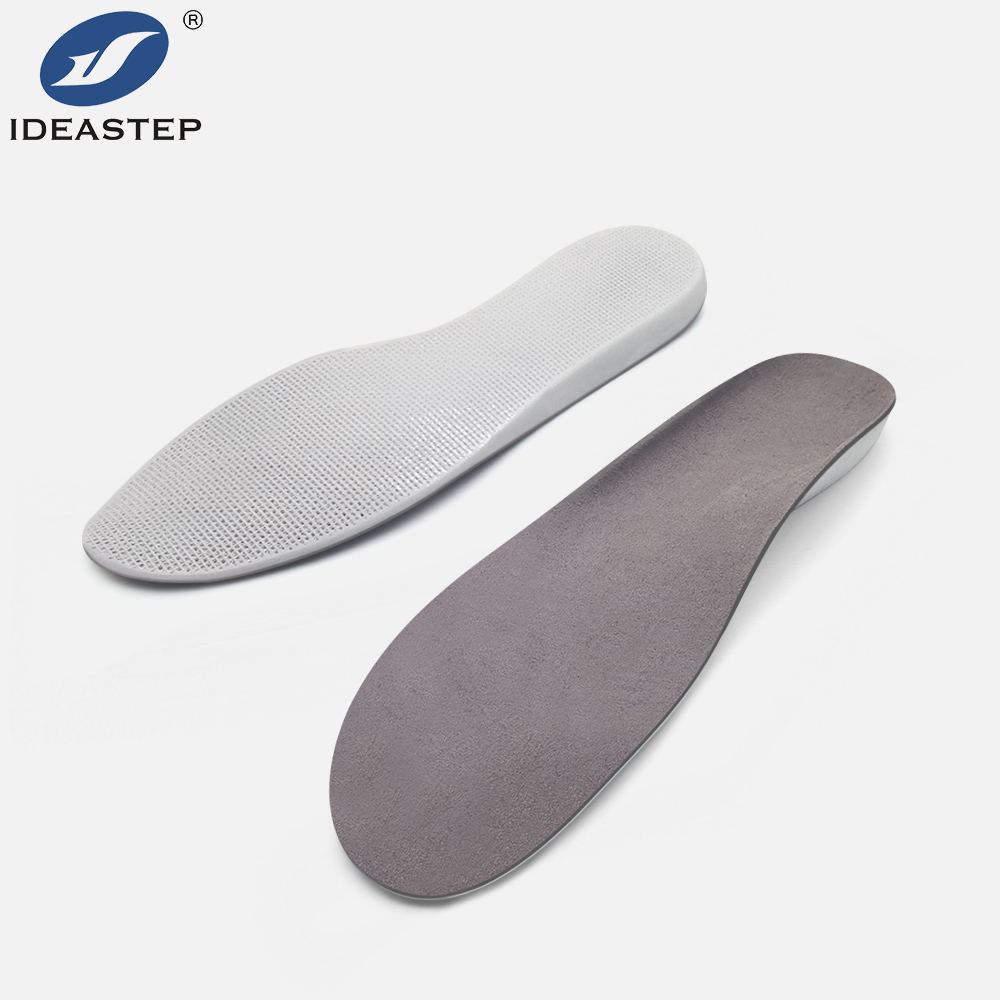
What to Check Before Bulk Production
Before moving from sampling to bulk production, the insole should be tested inside the intended footwear.
Check the Actual Fit
Evaluate the sample together with the target shoe and check:
- Overall length and width
- Arch position
- Insole thickness
- Heel fit
- Forefoot flexibility
- Edge finishing
- Surface material
This gives a more accurate indication of how the finished product will perform in the shoe.
Confirm Material Specifications
For repeat orders, buyers should have clear specifications for key materials, including foam type, density, thickness, support components, and top-cover materials.
The approved sample should serve as the reference for subsequent production.
Review Production Consistency
For private-label and wholesale programs, consistency is particularly important. Check the manufacturer’s ability to maintain dimensions, material specifications, bonding quality, and finishing across production batches.
A supplier with established OEM/ODM experience can also make future adjustments, such as size changes or structural revisions, easier to manage.
Choosing a Running Insole Manufacturer
A running insole manufacturer should be evaluated on more than production volume.
Relevant capabilities include:
- Material selection
- Insole structure development
- Custom molding
- Sample production
- Quality control
- OEM/ODM support
- Bulk production
It is also useful to confirm whether the manufacturer can work with different foam materials and support components. This provides more flexibility when developing insoles for different running and sports footwear categories.
Conclusion
Arch support insoles for flat feet running require a balance between support, cushioning, flexibility, and weight. A low-profile construction can add structure around the arch while maintaining the fit and movement characteristics of modern running shoes.
EVA, TPU, PU, and memory foam can be combined in different configurations depending on the required performance and price range.
For sports footwear brands, wholesalers, and distributors, the main development considerations are arch geometry, thickness, material selection, footwear compatibility, durability, and production consistency.
A capable OEM/ODM manufacturer can help translate these requirements into a practical insole construction and support the process from sampling through bulk production.
Related Reading:
Modular Arch Support Insoles with Interchangeable Pads for Different Foot Types
The Versatile and Essential Latex Arch Support Insoles