Medical professionals work with patients who have different foot structures, activity levels, and support requirements. In clinical applications, one insole design rarely meets every need. The right solution must balance support, cushioning, pressure management, durability, and footwear compatibility.
The best insoles for medical professionals are not simply the softest or most comfortable options. They are carefully designed orthotic solutions that match specific applications, from custom foot support and diabetic foot care to pediatric and rehabilitation needs.
For podiatrists, healthcare providers, rehabilitation centers, and orthotic brands, choosing a reliable insole solution also means evaluating material performance, customization capability, and manufacturing consistency.

What Makes an Insole Suitable for Medical Applications?
Medical-grade foot support products require more consideration than standard comfort insoles. Professionals typically evaluate several key factors before selecting or developing an orthotic solution.
Functional Foot Support
A suitable medical insole should provide the appropriate level of support based on the intended application. Important design elements include:
- Arch support
- Heel stabilization
- Pressure distribution
- Foot positioning support
Different applications may require different support structures. A product designed for daily comfort may have different requirements compared with an insole developed for clinical or rehabilitation use.
Material Performance and Consistency
Material selection directly affects the performance of an orthotic product. Healthcare companies and distributors often consider:
- Density consistency
- Hardness control
- Compression resistance
- Long-term durability
Experienced orthotic manufacturers select materials based on the product goal rather than using a single material for every application.
Customization Capability
Many healthcare applications require more than standard sizes. Medical professionals often need products with different support levels, material combinations, and design options.
A capable orthotic supplier should support customization including:
- Product structure adjustment
- Material combinations
- Size customization
- Private label production
How Medical Professionals Evaluate the Best Insole Solutions
When selecting professional insoles, medical teams usually focus on four important areas: support performance, material suitability, patient comfort, and manufacturing reliability.
Support Requirements
The insole design should match the intended application. For example, some users may need additional cushioning, while others may require stronger structural support.
Professional orthotic solutions often combine multiple layers or materials to achieve a balance between stability and comfort.
Comfort for Long-Term Use
Many patients wear insoles throughout the day. Therefore, comfort remains an important consideration alongside functional support.
Materials such as EVA foam and PU are commonly used because they provide cushioning while maintaining a lightweight structure.
Product Reliability
For clinics, distributors, and healthcare brands, consistent product quality is essential. Stable manufacturing processes help ensure that each batch meets the expected specifications.
Types of Insoles Used by Medical Professionals
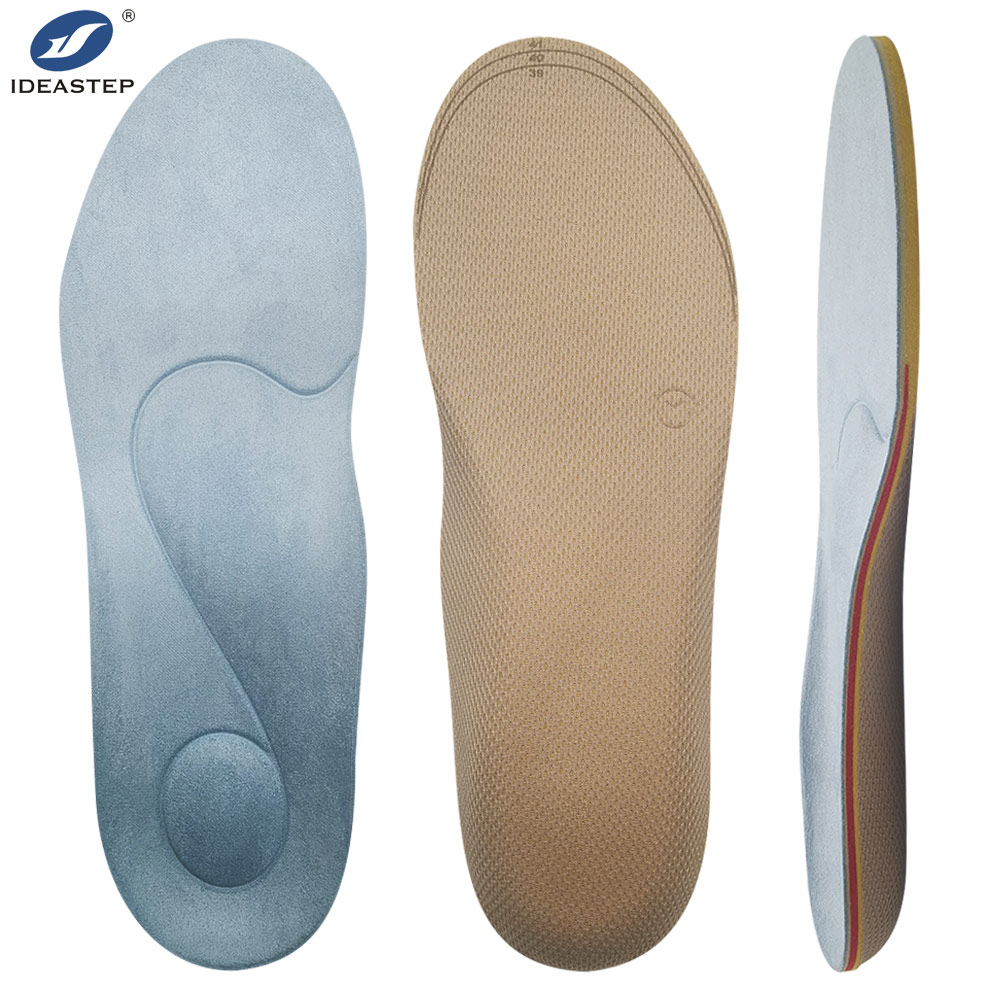
Different healthcare applications require different insole designs. Common professional solutions include custom orthotic insoles, diabetic insoles, pediatric orthotics, and specialized support products.
Custom Orthotic Insoles
Custom orthotic insoles are developed for users who require personalized support. Manufacturers can adjust the structure, materials, and support zones according to specific requirements.
For clinics and orthotic brands, customization is not only about individual fitting. It also requires repeatable production quality and reliable supply capability.
Diabetic Insoles
Diabetic insoles are designed with comfort and pressure management in mind. Manufacturers often use soft cushioning materials and multi-density structures to create supportive solutions for foot care applications.
Important considerations include:
- Comfort during extended wear
- Pressure distribution
- Material softness
- Consistent product performance
Pediatric Orthotic Insoles
Pediatric orthotic insoles require careful design because children need a balance between support, flexibility, and comfort.
Manufacturers typically consider:
- Lightweight construction
- Appropriate support levels
- Compatibility with children’s footwear
Sports Orthotic Insoles
Sports and active users often require insoles that combine cushioning, stability, and durability.
Common design goals include:
- Shock absorption
- Motion control
- Improved foot stability
Choosing the Right Materials for Medical Insoles
Material selection plays an important role in developing professional orthotic products. Different materials provide different performance characteristics.
| Material | Main Advantages | Common Applications |
|---|---|---|
| EVA Foam | Lightweight cushioning and easy customization | Custom orthotics, comfort layers |
| PU Foam | High resilience and long-lasting cushioning | Daily support products |
| TPU | Structural support and durability | Functional orthotic components |
| Carbon Fiber | Rigid support with lightweight structure | Advanced support applications |
Many advanced insole designs combine multiple materials to achieve both comfort and functional support.
Custom Insoles vs Standard Insoles for Medical Applications
| Feature | Custom Insoles | Standard Insoles |
|---|---|---|
| Design | Application-specific | General design |
| Support | Adjustable structure | Fixed support level |
| Customization | High flexibility | Limited options |
| Typical Use | Clinical and specialized applications | General comfort use |
For healthcare companies and professional users, customized solutions provide more flexibility when product requirements are complex.

What to Consider When Choosing an Orthotic Insole Manufacturer
Selecting the right manufacturing partner is an important step for healthcare companies, distributors, and private label brands.
Manufacturing Experience
Experienced suppliers understand how different materials, structures, and production methods affect final product performance.
OEM and ODM Capability
A professional orthotic manufacturer should support:
- Custom product development
- Material selection assistance
- Private label solutions
- Bulk production requirements
Quality Control and Supply Stability
Reliable production processes help ensure consistent quality for large-volume orders and long-term business cooperation.
Frequently Asked Questions About Insoles for Medical Professionals
What are the best insoles for medical professionals?
The best option depends on the application, support requirements, and product goals. Custom orthotic insoles, diabetic insoles, pediatric insoles, and specialized support products all serve different purposes.
Are custom orthotic insoles better than standard insoles?
Custom orthotic insoles provide greater flexibility because manufacturers can adjust materials, structure, and support according to specific requirements.
Can medical insoles be customized for healthcare brands?
Yes. Professional manufacturers can provide OEM and ODM solutions, including customized designs, materials, branding, and packaging options.
Conclusion: Selecting the Right Orthotic Solution for Healthcare Applications
The best insoles for medical professionals should provide a balance of functional support, material performance, comfort, and manufacturing reliability.
For clinics, healthcare distributors, and footcare brands, working with an experienced orthotic insole manufacturer helps create customized solutions for different market requirements.