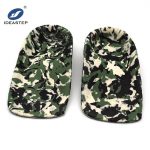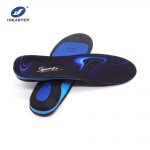
Sweaty feet can make shoes feel warm, damp, and uncomfortable, especially during exercise, long working hours, or daily walking. The best insoles for sweaty feet should do more than provide cushioning. They should also help manage moisture, maintain airflow, and fit comfortably inside the shoe.
For footwear brands, wholesalers, and private-label buyers, the main considerations are the top-cover material, cushioning structure, thickness, durability, and footwear compatibility.
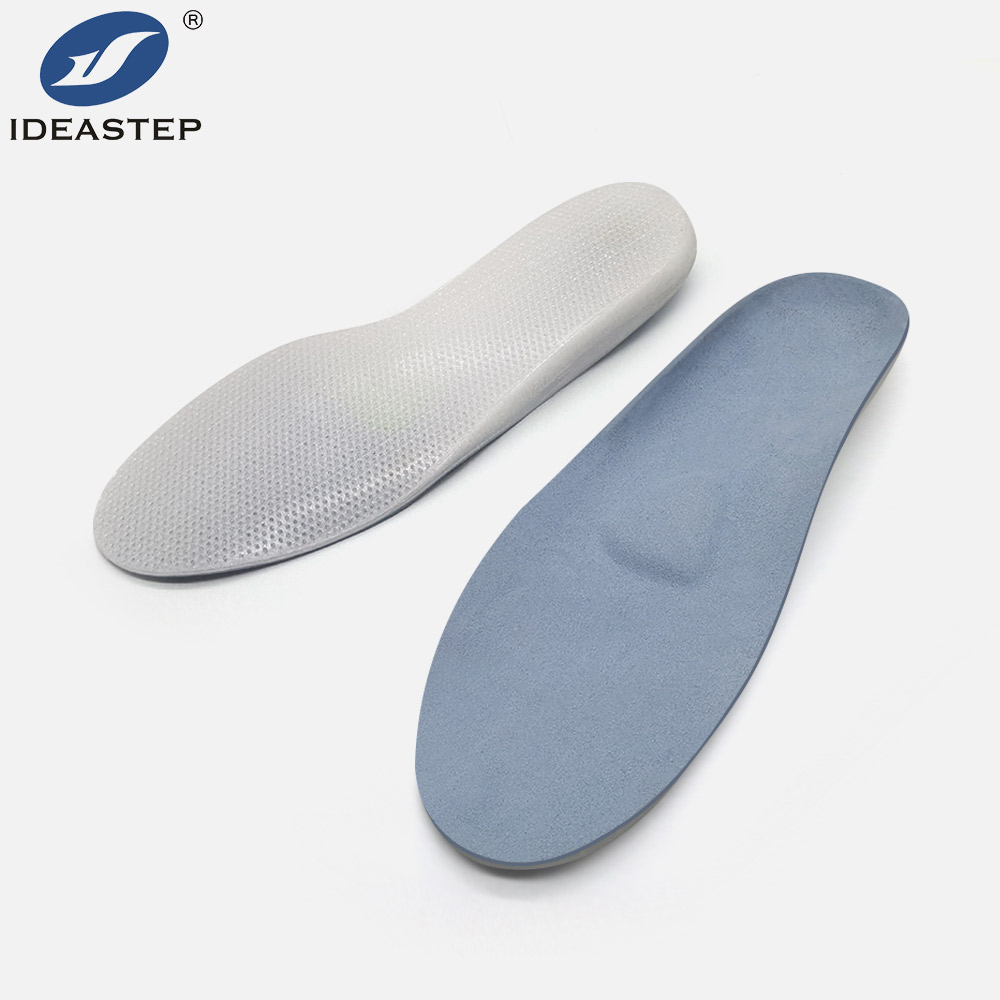
What Makes a Good Insole for Sweaty Feet?
Breathable Top Cover
The top cover directly contacts the foot, so material selection is important. Mesh and moisture-wicking textile fabrics can help manage moisture and provide a drier surface feel.
For sports and work footwear, the fabric should also resist repeated friction and maintain its structure during regular use.
Moisture Management
An insole cannot stop foot sweating, but its construction can help manage moisture inside the shoe. A breathable textile cover combined with a suitable cushioning layer can provide a better balance between comfort and moisture control.
Suitable Thickness
Thicker does not always mean better cushioning. Excessive thickness can reduce shoe volume and make the foot feel warmer. The right thickness should provide sufficient cushioning without affecting the fit.
Choosing the Right Materials
Different materials provide different combinations of cushioning, breathability, durability, and cost.
| Material | Typical Role |
|---|---|
| Mesh or textile | Breathable and moisture-managing top cover |
| EVA | Lightweight cushioning and support |
| PU | Flexible cushioning with different density options |
| Memory foam | Soft, pressure-conforming comfort |
| PORON | Resilient cushioning for performance applications |
| Cork | Firmer structure and natural material feel |
For many products, combining materials is more effective than relying on one material alone. For example, a breathable textile cover can be paired with EVA or PU to balance surface comfort, cushioning, and cost.
Best Insoles for Different Footwear
The best insoles for sweaty feet depend on the footwear application.
Sports footwear: Breathable covers and lightweight cushioning are important for active use.
Work footwear: Long wearing hours require moisture management, cushioning, and good shape retention.
Casual footwear: EVA or PU combined with a breathable textile cover can provide a practical balance of comfort and cost.
Boots: A breathable construction can help in enclosed footwear, but thickness must be controlled to avoid reducing internal space.
What B2B Buyers Should Check
When sourcing breathable insoles, buyers should review:
- Top-cover breathability and moisture management
- Cushioning material and resilience
- Overall thickness and shoe compatibility
- Insole shape and size range
- Surface feel and durability
- Compression resistance
- Logo, color, packaging, and private-label options
Testing the sample inside the target footwear is important. The finished shoe can affect the insole’s fit, airflow, and overall comfort.
OEM and Private-Label Development
Breathable insoles can be customized for distributors, footwear brands, and private-label companies. OEM and ODM options may include:
- Mesh or moisture-wicking top covers
- EVA, PU, memory foam, or other cushioning layers
- Customized thickness and dimensions
- Different hardness or density combinations
- Custom colors and surface finishes
- Logo and packaging
- Private-label solutions
Projects can start with a sample, drawing, reference product, or product concept. After sample approval, material specifications, dimensions, layer construction, branding, and packaging details should be documented for bulk and repeat orders.
Quality Control for Bulk Production
For B2B buyers, production consistency is as important as the initial sample. Depending on the product, quality checks may include:
- Material and fabric consistency
- Length, width, and thickness
- Hardness or density
- Layer bonding
- Surface and edge finishing
- Color and logo position
- Packaging accuracy
An approved sample and clear production specifications provide a reliable reference for repeat manufacturing.
Ideastep Custom Insole Manufacturing
Ideastep develops custom functional and orthotic insoles using EVA, TPU, PU, memory foam, textile fabrics, and other materials.
For products designed for warm or moisture-prone footwear, the construction can be adjusted according to the target application, including breathable covers, cushioning layers, thickness, sizing, branding, and packaging.
Buyers can provide a sample, drawing, target footwear, preferred materials, and estimated quantity for project evaluation.
Conclusion
The best insoles for sweaty feet should balance moisture management, breathability, cushioning, durability, and shoe fit. A breathable top cover is important, but the complete layer structure determines the final performance.
For OEM, wholesale, and private-label projects, sample testing and clear production specifications help ensure consistent quality. Please contact the Ideastep team with your sample, drawing, or product requirements for further discussion.
Related Reading:
Do sweaty feet require insoles?
Orthopedic leather heel lifts sweaty height increasing insoles