
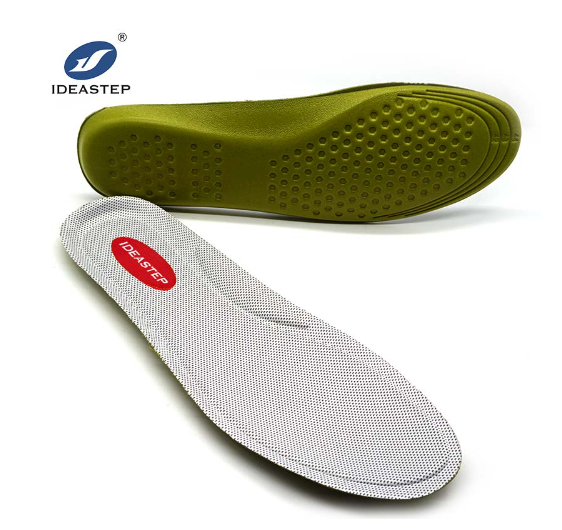
What is the material for antibacterial insoles
Antibacterial insoles are designed to provide a hygienic and odor-free environment inside shoes by incorporating materials that have antimicrobial properties. […]
Antibacterial insoles are designed to provide a hygienic and odor-free environment inside shoes by incorporating materials that have antimicrobial properties. […]
The primary principle behind antibacterial insoles is to prevent bacterial growth. Bacteria and other microorganisms thrive in warm, moist environments,
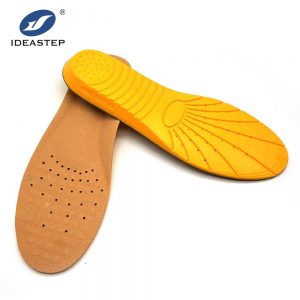
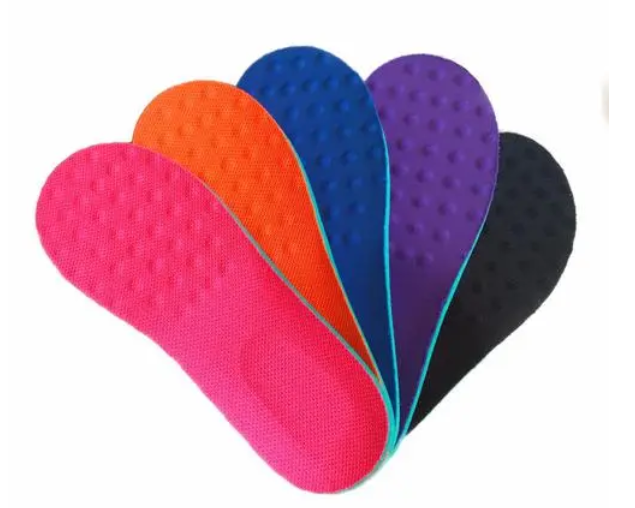
I heard that some insoles have massage functions, is this true? Now, let me introduce an Ideal massage insole to

There are several types of insoles you can wear during summer to help cool down your feet: 1. Gel insoles:
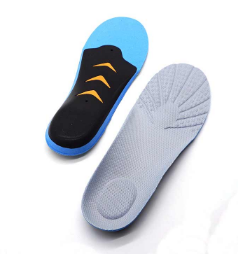
For summer, it’s best to look for insoles that are lightweight, breathable, and moisture-wicking. Here are a few options: 1.
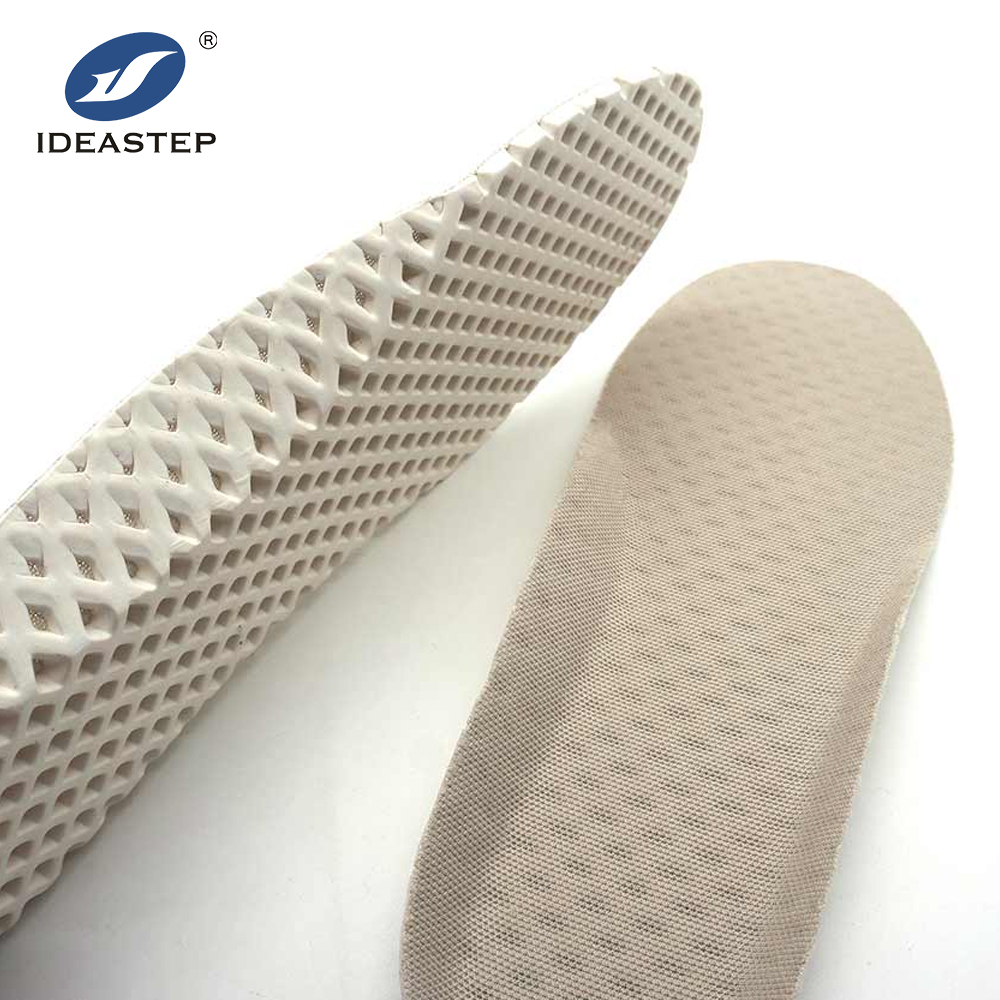
There are several materials that can be a good choice for breathable insoles, depending on the specific needs of the
Breathable insoles are designed to improve air circulation inside the shoes, allowing your feet to breathe and reducing foot odor
Both PU (polyurethane) and EVA (ethylene-vinyl acetate) insoles have their own unique advantages and disadvantages. PU insoles are known to
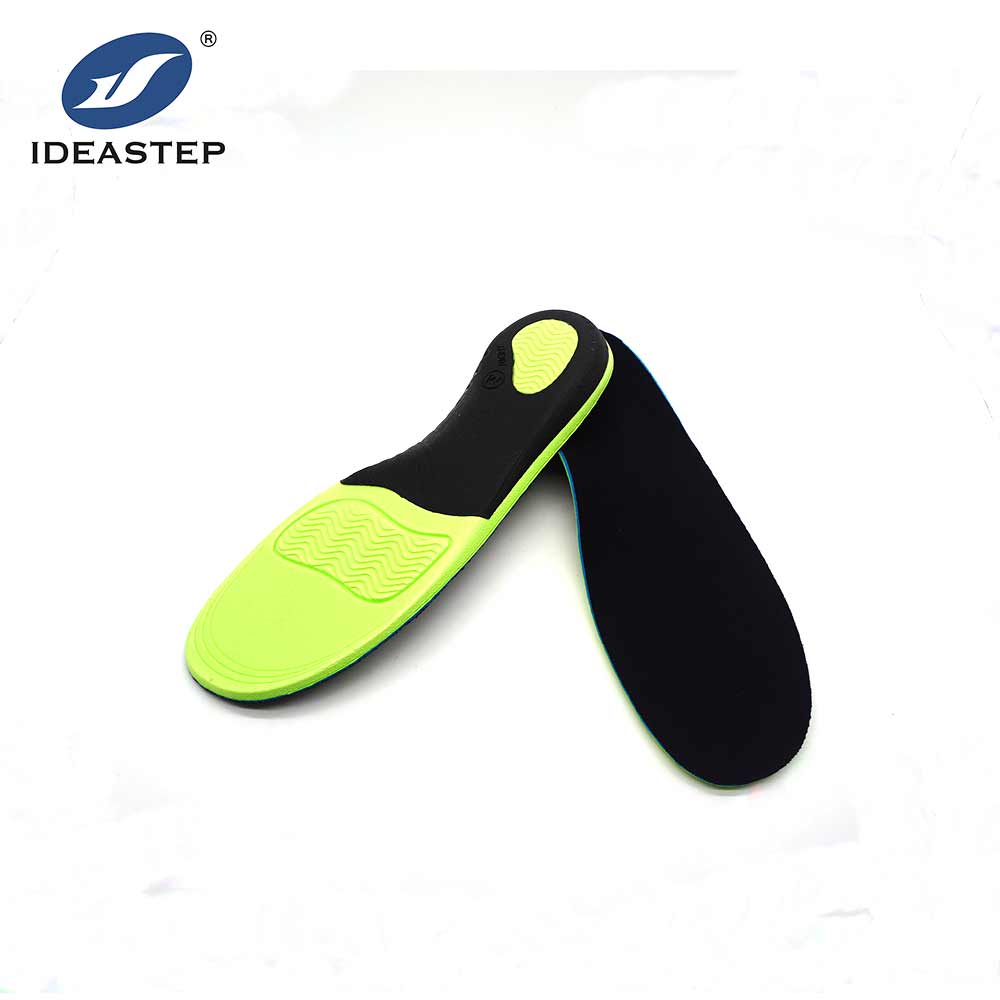
PU (polyurethane) insoles can be suitable for some sports, depending on the type of activity and the individual’s specific needs.
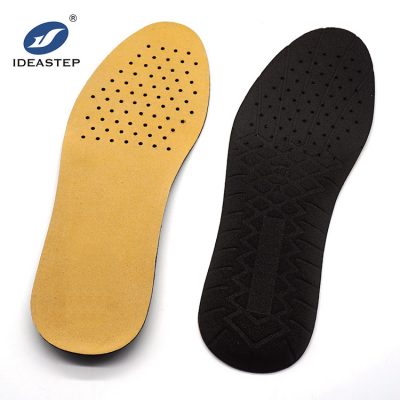
PU (polyurethane) is a type of synthetic material that is commonly used in the manufacturing of insoles. The breathability of