Custom diabetes insoles require clear product specifications, suitable materials, and consistent manufacturing processes. For insole brands, wholesalers, distributors, and private-label businesses, an OEM project must address product development, material selection, minimum order quantities (MOQ), quality control, and repeat-order consistency.
Ideastep provides insole customization and manufacturing solutions for B2B customers. This guide covers the key considerations for developing custom diabetes insoles and managing bulk production.
What Are Custom Diabetes Insoles?
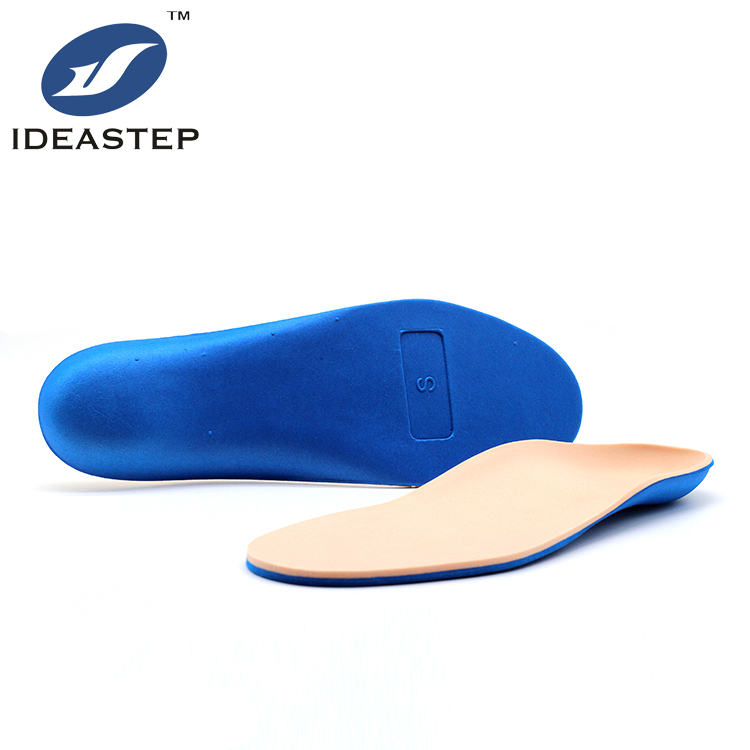
Custom diabetes insoles are developed according to defined requirements for materials, dimensions, construction, and intended application. Depending on the project, specifications may include thickness, surface materials, cushioning layers, overall shape, size range, and footwear compatibility.
For OEM buyers, the first step is to define the product’s intended use and technical requirements. Products marketed for specialized therapeutic applications may also require appropriate performance evidence and compliance with regulations in the target market.
Key Design Considerations
- Surface materials: Specify the top-cover material, finish, seams, and bonding requirements.
- Cushioning structure: Define the required material properties, thickness, and layer configuration.
- Dimensions: Establish length, width, profile, and size tolerances.
- Footwear compatibility: Confirm the available shoe volume and intended footwear type.
- Product maintenance: Specify applicable cleaning and care requirements.
Standard Products vs. Custom-Designed Insoles
Standard insoles suit projects that use existing specifications and size ranges. Custom-designed insoles offer greater flexibility in dimensions, material combinations, construction, branding, and packaging.
The choice depends on the target market, product requirements, order volume, and development budget. Customization should address specific project needs rather than add unnecessary complexity.
Custom Diabetes Insoles for OEM Projects
OEM manufacturing allows brands and distributors to develop insoles to an agreed specification. Depending on the project, the scope may include material selection, structural design, sample development, logo application, packaging, and bulk production.
OEM Product Development Process
- Product brief: Provide the intended application, dimensions, target market, estimated quantity, and reference samples or drawings.
- Design and material review: Evaluate the proposed construction, material options, production methods, and technical requirements.
- Sample development: Produce samples where required and check dimensions, materials, bonding, surface finish, and footwear compatibility.
- Specification approval: Confirm the material grades, dimensions, tolerances, colors, packaging, and inspection criteria.
- Bulk production: Manufacture against the approved specification and agreed quality requirements.
Documenting the approved sample and production specifications helps reduce misunderstandings and maintain consistency between development and mass production.
Material Options for Custom Diabetes Insoles
EVA Foam
Ethylene-vinyl acetate (EVA) is widely used in insole manufacturing. Different grades offer different density, hardness, and physical properties. Buyers should specify the required material grade, thickness, density range, and relevant test methods instead of relying on general descriptions.
PU Foam
Polyurethane (PU) foam is another option for insole construction. Its properties vary by formulation, so material selection should consider the required firmness, resilience, compression behavior, and durability.
Top Covers and Textile Materials
Textile fabrics, microfiber, and other suitable cover materials can be considered according to surface finish, wear resistance, cleaning requirements, and product specifications. Sample evaluation should include seams, edges, wrinkles, and bonding quality.
Multilayer Construction
Multilayer insoles combine different materials to meet specific structural requirements. Each layer should have a defined material, thickness, position, and bonding method. These details help control material usage and production consistency.
Thickness, Density, and Firmness
Thickness, density, and hardness describe different material properties and should be specified separately. Thickness defines the physical depth, density measures mass per unit volume, and hardness indicates resistance to indentation under a specified test method.
For bulk orders, buyers should establish acceptable ranges and measurement methods. Changes in material thickness or insole profile should also be checked against the available footwear space before production approval.
Private Label and Packaging Customization
Private-label projects may include customized logos, colors, product labels, retail packaging, and carton markings. Available options depend on the manufacturer’s production capabilities and the project specification.
Before production, confirm logo files, placement, color references, packaging dimensions, label language, barcode requirements, and destination-market labeling obligations. Approve the final artwork alongside the product specification.
Bulk Orders for Custom Diabetes Insoles
Bulk production requires coordination between material purchasing, manufacturing schedules, inspection, packaging, and shipping. Confirming the technical specification and order breakdown early helps buyers evaluate costs and plan inventory.
Minimum Order Quantity (MOQ)
MOQ depends on material purchasing requirements, production setup, tooling, construction complexity, size combinations, colors, and packaging. Requirements may differ between standard configurations and highly customized orders.
When requesting a quotation, clarify whether MOQ applies to the complete order, individual models, sizes, or colors. Confirm whether mixed-size orders or pilot quantities are available.
Factors Affecting Bulk Order Pricing
Custom insole pricing depends on the agreed specification and commercial terms. Key factors include:
- Material type, grade, and consumption.
- Thickness, layer structure, and processing requirements.
- Size range and number of product variations.
- Logo application, labeling, and packaging.
- Order quantity and production setup.
- Inspection, testing, and documentation requirements.
- Shipping terms and destination.
For accurate supplier comparisons, request quotations based on the same specifications, quantities, inspection requirements, and delivery terms.
Production Lead Time and Repeat Orders
Lead time depends on sample approval, material availability, order volume, production capacity, and packaging readiness. Changes made after specification approval may affect the schedule.
Before placing an order, confirm the sampling schedule, approval milestones, production window, inspection process, and shipping arrangements. For repeat orders, retain approved specifications and reference samples where appropriate.
Maintaining Consistency in Bulk Production
Material variation, dimensional differences, bonding issues, and changes in production methods can affect consistency between batches. A defined quality plan should cover:
- Approved material specifications and supplier requirements.
- Key dimensions and acceptable tolerances.
- Workmanship and appearance standards.
- Inspection methods and sampling frequency.
- Nonconforming product handling.
- Specification changes and repeat-order records.
Both parties should agree on acceptance criteria before mass production begins.
Quality Control for Custom Diabetes Insoles
Quality control should follow the approved product specification from incoming material inspection through production and final inspection. Inspection requirements should reflect the construction, intended application, and customer expectations.
Incoming Material Inspection
Depending on the material, incoming checks may cover thickness, density, hardness, color, appearance, and batch identification. Technical data sheets and material documentation can support verification, while specified testing should confirm critical properties where required.
Dimensional and Workmanship Inspection
Finished-product checks may include:
- Length, width, thickness, and profile.
- Cutting accuracy and edge finish.
- Surface defects and material appearance.
- Bonding between layers.
- Logo placement and color consistency.
- Packaging, labeling, and order quantity.
Define inspection methods and acceptance limits before production. For products intended for specialized therapeutic applications, general visual and dimensional checks do not establish clinical suitability; relevant performance claims require appropriate evidence.
Documentation and Compliance
Documentation requirements depend on the product, intended claims, and destination market. Depending on the project, buyers may require material specifications, inspection records, traceability information, test reports, and labeling files.
If a product is marketed for a medical or therapeutic purpose, confirm the applicable classification and regulatory requirements before commercialization. A material certificate or general quality document does not automatically establish compliance for the finished product.
How to Choose a Custom Diabetes Insoles Manufacturer
Evaluate manufacturers according to their actual development capabilities, production processes, quality controls, and ability to maintain approved specifications across repeat orders.
OEM and ODM Capabilities
Confirm whether the supplier can work from drawings, samples, or written specifications. Ask about material alternatives, sample development, design revisions, private-label options, and the transition from prototype to mass production.
Production Capacity and Quality Management
Assess production capacity against the expected order volume and product mix. Review how the manufacturer manages material inspection, production scheduling, nonconforming products, specification changes, and repeat orders.
Clear communication and documented procedures are particularly important when purchasing teams, product developers, and quality personnel share responsibility for a project.
Questions to Ask Before Placing a Bulk Order
- Which materials, dimensions, and construction options are available?
- What is the MOQ for each model, size, or color?
- Can the manufacturer develop products from samples or drawings?
- How are samples approved and used as production references?
- What inspection criteria and documentation can be provided?
- What are the production lead time and packaging requirements?
- How are product changes and repeat orders controlled?
Frequently Asked Questions About Custom Diabetes Insoles
Can Custom Diabetes Insoles Be Produced Under a Private Label?
Private-label options may include logos, colors, labels, and packaging, depending on the manufacturer’s capabilities. Confirm customization options, MOQ, artwork requirements, and applicable labeling obligations before ordering.
What Is the MOQ for Custom Diabetes Insoles?
MOQ depends on material requirements, construction, tooling, size combinations, and packaging. Provide the product specification and estimated quantity to obtain a project-specific quotation.
Can a Manufacturer Develop Insoles from a Sample?
A manufacturer may be able to use a reference sample, drawing, or written specification for development. Confirm the available development process and approve the resulting sample before bulk production.
Which Materials Are Used in Custom Diabetes Insoles?
Depending on the design, options may include EVA foam, PU foam, and suitable textile or microfiber top covers. The final selection should reflect the required material properties, construction, footwear compatibility, and intended application.
What Information Is Needed for a Bulk Order Quotation?
Provide the product dimensions, size range, material requirements, thickness, color, estimated quantity, branding, packaging, target market, and delivery requirements. Include any applicable testing or compliance specifications.
Discuss Your Custom Diabetes Insoles OEM Project with Ideastep
Successful OEM projects depend on clear specifications, suitable material selection, controlled production, and consistent quality. Establishing these requirements before sampling and bulk manufacturing helps buyers evaluate feasibility, compare quotations, and manage repeat orders.
Ideastep works with B2B customers seeking insole customization and manufacturing solutions. Share your reference sample or design brief, estimated order quantity, material requirements, and packaging specifications to discuss your project.
Contact Ideastep to discuss your custom diabetes insoles, OEM requirements, and bulk order plans.
Related Reading:
Wholesale Diabetes Insoles Manufacturer: Custom OEM Solutions
How to Choose a Reliable Diabetes Insoles Supplier