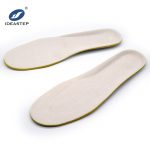
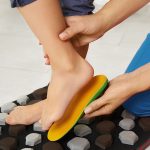
Custom made shoe orthotics are defined by their material composition, shell geometry, and manufacturing process. Material grade, shell thickness, rigidity, and structural design all influence the finished product’s mechanical properties and production requirements.
For orthotic wholesalers, distributors, and private-label brands, understanding these factors helps with product development, specification review, and supplier selection. This article focuses on material selection, PP and TPU shell design, and key manufacturing considerations.

1. Main Components of Custom Made Shoe Orthotics
A typical custom orthotic combines a structural shell, cushioning layers, and a top cover. Each component serves a specific purpose in the overall construction.
- Orthotic Shell: Usually made from PP or TPU, depending on the required geometry and rigidity.
- Cushioning Layers: EVA, PU foam, or PORON can be used to achieve specified material and compression characteristics.
- Top Cover: Materials such as microfiber, mesh, and velvet provide different surface finishes.
- Additional Components: Depending on the design, products may include rearfoot posting, metatarsal features, or other structural elements.
Material type, component dimensions, and layer arrangement should be clearly defined in the product specification.
2. Material Selection for Orthotic Manufacturing
Material selection determines the physical and mechanical properties of each component. Buyers should consider the intended application, processing requirements, and compatibility with other layers.
Polypropylene (PP): Rigid Orthotic Shells
PP is widely used for orthotic shells because it can be thermoformed into defined contours and provides a relatively rigid structural base.
- Relatively high stiffness compared with cushioning foams.
- Thermoformability under controlled conditions.
- Low material weight relative to many rigid alternatives.
- Suitability for customized shell profiles.
Final shell characteristics depend on material grade, thickness, geometry, and forming conditions.
Thermoplastic Polyurethane (TPU): Flexible Structural Components
TPU is available in different hardness and flexibility grades. It is used in selected orthotic structures and specialized components, including 3D-printed designs.
Its applications include flexible or semi-rigid components and customized geometries. TPU is not a direct replacement for PP in every application. Selection should consider hardness, thickness, geometry, and required structural properties.
EVA, PU Foam and PORON: Cushioning Materials
EVA is commonly used in cushioning bases, arch components, wedges, and multi-density constructions. Its density and hardness can be adjusted to meet different product specifications.
PU foam offers a range of cushioning properties, while PORON is a polyurethane-based material with defined compression characteristics. Both can be incorporated into selected heel and forefoot sections.
For customized orders, buyers should specify material grade, density or hardness, thickness, and placement. Bonding compatibility should also be considered.
Material Comparison
| Material | Main Characteristics | Typical Application |
|---|---|---|
| PP | Relatively rigid and thermoformable | Orthotic shells |
| TPU | Different hardness and flexibility grades | Structural and 3D-printed components |
| EVA | Adjustable density and hardness | Cushioning and support layers |
| PU Foam | Versatile cushioning properties | Foam layers and molded constructions |
| PORON | Defined compression characteristics | Localized cushioning |
| Textile | Various textures and finishes | Top covers |
3. Shell Design: Thickness, Geometry and Rigidity
The shell is a key structural component of custom made shoe orthotics. Its material, thickness, and geometry determine the finished profile and mechanical characteristics.
Shell Thickness and Rigidity
Thickness influences shell stiffness, but material properties and geometry also affect the result. Two PP shells made from the same material grade may perform differently when their thickness or contours vary.
Key specifications include:
- Material grade and shell thickness.
- Shell length and width.
- Arch contour and profile.
- Heel cup depth and wall height.
- Edge shape and transition areas.
A thicker shell is not automatically more suitable. The required dimensions should follow the product design and be verified through sample evaluation.
Arch Profile and Heel Cup
Arch geometry should be defined through measurable parameters, including arch height, length, medial and lateral contours, and transitions into the heel and forefoot.
Heel cup specifications should cover depth, width, wall height, and heel seat geometry. If rearfoot posting or additional support components are required, their material, dimensions, and positioning should also be documented.
Shell Length and Coverage
Common configurations include full-length and three-quarter-length shells, as well as customized forefoot extensions. Shell length affects the overall construction and available space within the footwear. Buyers should confirm finished dimensions and coverage before production.
4. Combining Shells with Cushioning and Cover Materials
The shell, cushioning layers, and top cover should be evaluated as one construction. Their material properties and dimensions affect finished thickness, bonding requirements, and overall product profile.
- PP Shell with EVA: PP provides the structural base, while EVA forms the cushioning or intermediate layer. EVA density and thickness can be specified according to the design.
- Shell with PU Foam or PORON: These materials can be added to selected heel or forefoot sections. Their position and thickness should be defined in the product drawing.
- Multi-Density Construction: Different density or hardness zones can be combined within one product. Production control should cover material dimensions and bonding quality.
- Top Cover: Microfiber, velvet, mesh, and other textiles can be selected according to the required color, thickness, surface finish, and bonding method.
5. Manufacturing Processes for Custom Orthotic Shells
The manufacturing method should match the shell material, geometry, required dimensions, and production volume.
Thermoforming
Thermoforming is commonly used to shape thermoplastics such as PP. The material is heated and formed over a mold or specified profile. Temperature, forming time, material thickness, and tooling conditions must be controlled to maintain dimensional consistency.
CNC Milling
CNC milling processes foam blocks into defined geometries using digital design data. It can produce customized arch profiles, heel contours, and other surface features with controlled dimensions.
3D Printing
3D printing supports customized structures with complex geometries, including open lattice configurations. TPU is used in selected applications requiring flexible printed components. Wall thickness, lattice geometry, material properties, and printing parameters influence the finished structure.
Cutting, Bonding and Finishing
Additional operations may include trimming, foam cutting, adhesive bonding, top-cover application, and edge finishing. Consistent bonding procedures and dimensional inspections are important for multi-component products.
6. Technical Specifications for Wholesale Orders
Clear specifications help manufacturers prepare quotations, develop samples, and maintain consistency during bulk production.
| Specification | Details to Confirm |
|---|---|
| Shell Material | PP, TPU, or other specified material |
| Shell Thickness and Hardness | Required thickness, hardness, and test method where applicable |
| Shell Length | Full-length, three-quarter-length, or customized |
| Arch Profile | Height, length, contour, and dimensions |
| Heel Cup | Depth, width, and wall configuration |
| Rearfoot Design | Posting requirements and component details |
| Cushioning | Material type, density or hardness, and thickness |
| Top Cover | Fabric type, color, and finish |
| Size Range | Required sizes and dimensional standards |
| Branding and Packaging | Logo position, application method, and packaging details |
For multi-size projects, buyers should confirm whether shell geometry and material thickness vary across sizes. Technical drawings or approved reference samples help clarify customized profiles and dimensional requirements.
7. Sample Approval and Production Quality Control
Sample development verifies shell geometry, material specifications, and finished construction before mass production.
Key Inspection Points
- Shell: Thickness, dimensions, arch contour, heel cup geometry, surface condition, and edge quality.
- Materials: Material type, cushioning thickness, and consistency with approved specifications.
- Bonding and Finishing: Top-cover alignment, adhesion, edge finishing, and visible separation.
- Batch Consistency: Product dimensions, material specifications, and construction consistency.
After sample approval, manufacturers should retain the corresponding drawings, material specifications, and inspection criteria. Changes to material grade, shell thickness, geometry, or processing parameters should be reviewed before implementation.
8. Common Issues in Custom Orthotic Development
- Undefined Shell Rigidity: Material names alone do not determine rigidity. Thickness and geometry must also be specified.
- Incorrect Footwear Dimensions: Excessive shell width, thickness, or heel cup height may create dimensional conflicts. Confirm the intended footwear dimensions.
- Incomplete Drawings: Arch height, heel cup depth, shell length, thickness, and critical tolerances should be documented.
- Uncontrolled Total Thickness: Additional cushioning changes the finished profile. Evaluate the shell, foam, and top cover together.
- No Sample Approval: Confirm material composition, shell geometry, dimensions, and finishing before bulk production.
9. Custom Made Shoe Orthotics Manufacturing with Ideastep
Ideastep supplies orthotic insoles and related foot care products to wholesalers, distributors, and brands. Its manufacturing capabilities support customized material combinations, orthotic constructions, CNC processing, and 3D printing.
For custom made shoe orthotics projects, buyers can discuss:
- PP and TPU shell configurations, thickness, and geometry.
- EVA, PU foam, and PORON cushioning combinations.
- Customized arch profiles and heel cup structures.
- Full-length and three-quarter-length constructions.
- Top-cover materials, dimensions, size ranges, logos, and packaging.
Buyers can provide technical drawings, reference samples, or existing product specifications for evaluation. These details help clarify material compatibility, manufacturing feasibility, MOQ, and production lead time.
10. Frequently Asked Questions
What Materials Are Commonly Used for Custom Orthotic Shells?
PP and TPU are common options. Selection depends on the required rigidity, flexibility, geometry, material grade, and manufacturing process.
What Is the Difference Between PP and TPU Orthotic Shells?
PP is commonly used for relatively rigid thermoplastic shells, while TPU offers different hardness and flexibility options. Suitability depends on the required structural properties and product design.
Can Custom Orthotics Combine a Rigid Shell with Cushioning Materials?
Yes. PP or TPU shell components can be combined with EVA, PU foam, or PORON. Material positioning, thickness, and bonding requirements should be confirmed during sample development.
What Information Should Wholesale Buyers Provide?
Provide shell material preferences, dimensions, arch profile, heel cup specifications, cushioning requirements, size range, reference drawings or samples, estimated quantity, and branding details.
Develop Custom Made Shoe Orthotics with Ideastep
Custom orthotic manufacturing requires accurate shell specifications, suitable material combinations, and controlled production processes.
Ideastep supports B2B projects through material selection, structural development, and OEM/ODM manufacturing. Buyers can submit technical drawings, reference samples, or product specifications for evaluation.
Contact Ideastep to discuss custom made shoe orthotics, shell configurations, and wholesale manufacturing requirements.