Custom orthopedic insole manufacturing involves more than shaping foam or adding support components. For orthotic brands, wholesalers, and footwear manufacturers, each project requires clear design specifications, suitable materials, a repeatable production process, and defined quality standards.
From initial drawings to bulk orders, the goal is to turn product requirements into a design that can be manufactured consistently and supplied at the required scale.
Defining Custom Orthopedic Insole Requirements
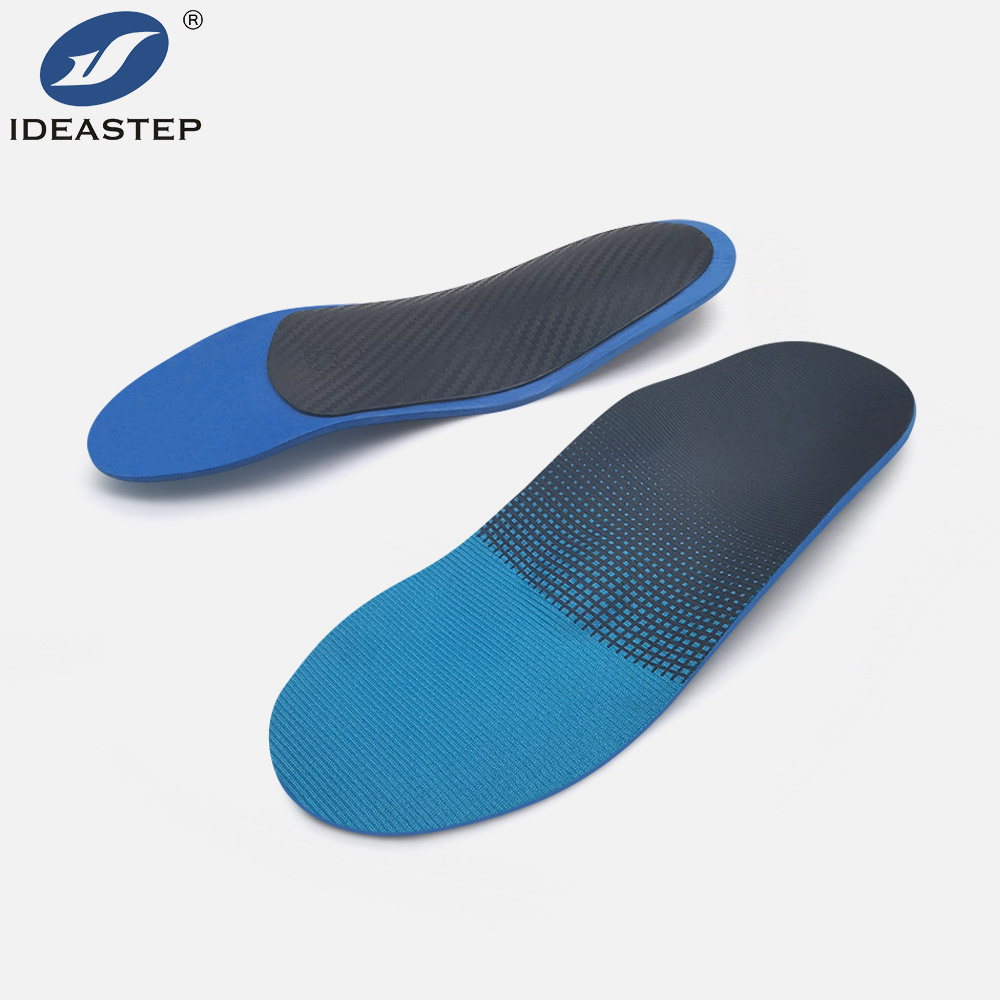
Custom orthopedic insoles may include shaped arch profiles, deep heel cups, metatarsal pads, wedge structures, or multilayer constructions. The design depends on the intended application, footwear structure, and product specifications.
Product Design and Structural Specifications
Before development begins, buyers should define the key dimensions and structural features. These may include arch height and position, heel cup depth, forefoot geometry, overall thickness, and the placement of supporting components.
Technical drawings or reference samples provide a clear basis for development. When a project involves several sizes, the size-grading rules should also specify how critical features change across the range.
Footwear Compatibility and Size Range
Available shoe volume affects insole thickness, heel geometry, and forefoot design. Manufacturers should review the target footwear type and internal dimensions before finalizing the construction.
For multi-size product lines, each size should follow an agreed dimensional specification. Scaling length and width alone may not preserve the intended structure.
Material Selection for Custom Orthopedic Insoles
Material selection depends on the required structure, processing method, target cost, and production volume. Density, hardness, thickness, resilience, and bonding compatibility should be assessed as part of the complete design.
EVA Foam
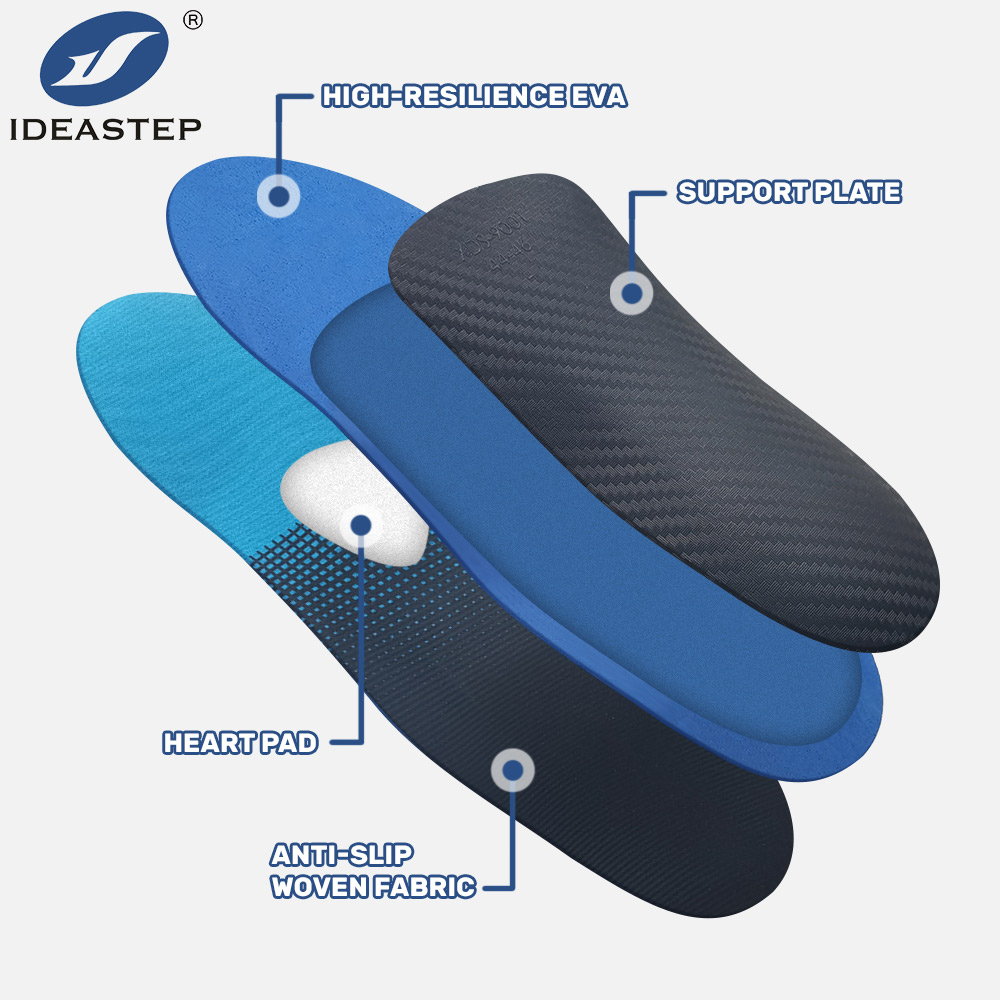
EVA foam is widely used in orthotic insole manufacturing because it is available in different densities, hardness levels, and thicknesses. It can be cut, shaped, or processed using suitable manufacturing methods to meet specified dimensions and profiles.
Dual-density EVA constructions combine materials with different properties. The appropriate combination depends on the design requirements and production process.
PU Foam
PU foam can be used in cushioning layers and other insole constructions that require specific material characteristics. Density, thickness, compression behavior, and dimensional stability should be considered during material evaluation.
When PU foam is combined with other materials, bonding compatibility and construction thickness should be checked during sample development.
TPU Components and Multilayer Construction
TPU components may be incorporated into designs that require defined structural elements. Their geometry, thickness, and position should be confirmed during technical review.
Top covers such as fabric or microfiber can be selected according to the product specification. For multilayer constructions, manufacturers should check bonding quality, layer alignment, and overall thickness before approving the design for production.
From Product Design to Sample Approval
Sample development translates design requirements into a physical product and allows both parties to confirm manufacturing feasibility before bulk production.
Technical Review
The manufacturer reviews drawings, reference samples, dimensions, materials, and construction details. Any design limitations or missing specifications should be resolved before sampling begins.
Prototype Development and Evaluation
Samples should be checked against the agreed requirements, including dimensions, material hardness, structural geometry, surface finish, and bonding quality where applicable.
Feedback should identify specific adjustments, such as changes to heel cup depth, foam density, or component placement. Revised samples should be evaluated against the updated specifications.
Approval and Specification Control
Before production, the buyer should approve the final sample and confirm the associated drawings, material specifications, dimensional tolerances, and packaging requirements.
The approved sample and technical documents then serve as the reference for manufacturing and inspection. Any subsequent changes should be documented and approved by both parties.
Scaling Custom Orthopedic Insoles to Bulk Production
Bulk manufacturing requires a repeatable process that maintains the approved design across production runs. Process selection, material planning, size grading, and production controls all affect consistency and lead time.
Manufacturing Process Selection
Cutting, shaping, compression molding, and CNC machining may be suitable for different insole designs. The choice depends on material properties, product geometry, dimensional requirements, and order volume.
For multilayer or complex constructions, manufacturers should confirm how each component will be formed, assembled, and inspected before finalizing the production plan.
Production Planning and Material Supply
Production schedules should account for order quantity, material availability, processing requirements, packaging, and inspection. Buyers should confirm MOQ, sample lead time, and bulk production lead time for each project.
Products with multiple materials, sizes, or SKUs may require additional coordination. Clear product codes and size specifications help reduce errors during production and packing.
Maintaining Production Consistency
The production team should work from the approved sample and current technical documents. Material substitutions, dimensional changes, or process adjustments should not be made without the agreed review and approval.
Consistent specifications and documented changes provide a reliable basis for repeat orders.
Quality Control for Custom Orthopedic Insoles
Quality control should follow measurable specifications and agreed acceptance criteria. Inspection points vary by design but typically cover dimensions, materials, construction, and finished-product identification.
Dimensional and Structural Inspection
Key checks may include overall length and width, thickness, heel cup dimensions, arch profile, wedge height, and the position of structural components. Tolerances should be defined before production and applied to the relevant sizes.
Material and Bonding Inspection
Incoming materials should match the approved specifications. Depending on the project, checks may include thickness, hardness, density, and visual condition.
For multilayer insoles, inspectors should also check for uneven bonding, visible separation, and other defects that fall outside the agreed criteria.
Inspection Records and Corrective Action
Inspection results and defects should be documented. When recurring issues arise, the manufacturer should investigate the cause and record the corrective measures.
Packaging, labeling, quantities, and SKU identification should also be checked against the confirmed order before dispatch.
OEM and ODM Manufacturing for Orthotic Brands
OEM Manufacturing
This model suits brands with established product specifications. Buyers provide technical drawings or reference samples, together with material requirements, dimensions, and packaging details.
After reviewing manufacturing feasibility, the supplier prepares samples for approval. Bulk production then follows the confirmed specifications.
ODM Product Development
ODM projects may begin with an initial concept rather than a finalized drawing. Depending on the agreed scope, development support can include material selection, structural adjustments, prototype production, and manufacturing feasibility reviews.
Both parties should clarify design responsibilities, tooling arrangements, revision procedures, target costs, and approval requirements before development begins.
Private Label and Packaging
Custom manufacturing may include logo application, labels, packaging, and SKU identification. Buyers should provide approved artwork and confirm packaging requirements before production.
For product lines with multiple sizes or configurations, each SKU should have a clear specification to support accurate production and repeat ordering.
How to Evaluate a Custom Orthopedic Insole Manufacturer
When comparing suppliers, buyers should assess technical capability, production controls, communication, and supply capacity alongside unit price.
- Material and process capabilities: Confirm access to the required materials, manufacturing methods, and structural components.
- Sample development: Review the supplier’s process for technical evaluation, revisions, and sample approval.
- Quality control: Ask how dimensions, materials, bonding, and finished products are inspected.
- MOQ and lead time: Confirm minimum order quantities, sampling schedules, and bulk production timelines.
- Cost and repeat supply: Evaluate material costs, processing requirements, packaging, and procedures for repeat orders.
A project-specific quotation should reflect the actual design, materials, order quantity, and packaging requirements rather than relying on a general unit price.
What to Include in a Custom Insole RFQ
A complete request for quotation helps the manufacturer assess feasibility and prepare a more accurate proposal. Buyers should provide the following details where available:
- Technical drawings or reference samples
- Dimensions and structural requirements
- Material type, density, hardness, and thickness
- Target footwear and size range
- Estimated order quantity and size breakdown
- Branding, labeling, and packaging requirements
- Sample deadline and target delivery date
- Quality standards and inspection requirements
If some details remain open, buyers should identify them clearly so the manufacturer can review feasible options before sampling.
Frequently Asked Questions
Can custom orthopedic insoles be manufactured in multiple sizes?
Yes. The size range should follow an agreed grading specification that covers critical dimensions and structural features, not just overall length and width.
Which materials are commonly used in custom orthopedic insoles?
EVA foam, PU foam, TPU components, and suitable cover materials may be used depending on the design, manufacturing process, and target cost.
What is the difference between OEM and ODM insole manufacturing?
OEM manufacturing generally follows buyer-provided specifications. ODM projects may include additional support with product design, material selection, and prototype development.
How can buyers maintain consistency across repeat orders?
Use approved samples, controlled material specifications, documented production requirements, and defined inspection criteria. Changes should be reviewed and approved before implementation.
Discuss Your Custom Orthopedic Insole Project
Custom orthopedic insole production depends on clear specifications, suitable materials, controlled sampling, and repeatable manufacturing processes. Defining these requirements before bulk production helps align product design with manufacturing capability and supply needs.
Ideastep supports B2B projects involving orthotic insoles and insole materials. Share your drawings, reference samples, material requirements, and estimated order quantity with our team to discuss your project.
Contact Ideastep to discuss your custom orthopedic insole requirements.
Related Reading: Wholesale custom orthopedic insoles supply for Foot shape correction.