Diabetes affects hundreds of millions of people worldwide, and foot complications remain one of the leading causes of reduced mobility and lower-extremity health issues. Conditions such as peripheral neuropathy, poor circulation, and foot deformities can increase the risk of skin breakdown, ulceration, and infection.
As healthcare providers place greater emphasis on prevention, diabetic orthotic insoles have become an essential component of diabetic foot care programs. Designed to reduce plantar pressure, improve stability, and protect vulnerable tissues, these specialized insoles help support long-term foot health while enhancing comfort and mobility.
For podiatry clinics, diabetic footwear brands, orthopedic companies, medical distributors, and healthcare product suppliers, understanding the materials, design principles, and clinical benefits behind diabetic orthotic insoles is critical when developing or sourcing effective foot care solutions.
What Are Diabetic Orthotic Insoles?
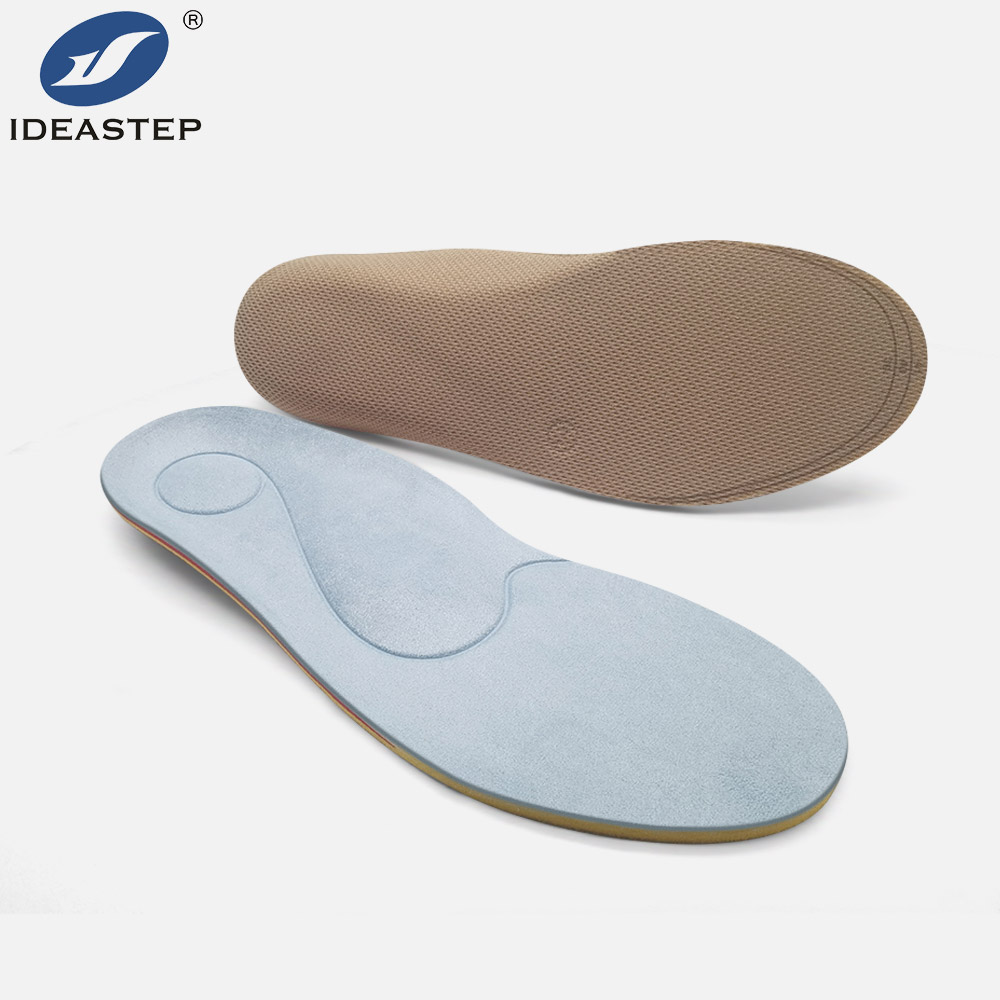
Diabetic orthotic insoles are specialized foot orthoses designed to protect the feet of individuals living with diabetes. Unlike standard comfort insoles, they focus on pressure redistribution, shock absorption, friction reduction, and biomechanical support.
People with diabetic neuropathy often experience reduced sensation in their feet, making it difficult to detect excessive pressure or minor injuries. Over time, repetitive stress in high-risk areas can lead to tissue damage and ulcer formation.
Diabetic orthotic insoles are specifically engineered to:
- Reduce peak plantar pressure
- Distribute body weight more evenly
- Minimize friction and shear forces
- Improve gait stability
- Support ulcer prevention strategies
- Enhance comfort during daily activities
They are commonly used alongside diabetic footwear, therapeutic shoes, and custom orthopedic footwear systems.
Why Standard Insoles Are Not Enough for Diabetic Foot Care
Many standard shoe insoles are designed primarily for cushioning and comfort. While they may improve the feel of footwear, they typically lack the structural features required to manage the complex needs of diabetic feet.
Diabetic patients often require advanced pressure management solutions rather than simple shock absorption. Areas such as the forefoot, heel, and midfoot may experience excessive loading that can contribute to skin breakdown over time.
Professional diabetic insoles are designed with medical objectives in mind, including pressure redistribution, foot protection, and biomechanical control. This distinction makes them a critical component of comprehensive diabetic foot care programs.
Materials Used in Diabetic Orthotic Insoles
Material selection plays a significant role in determining the effectiveness, durability, and comfort of diabetic orthotic insoles.
In professional manufacturing environments, diabetic insoles rarely rely on a single material. Instead, multi-layer constructions are commonly used to balance cushioning, support, durability, and pressure relief.
EVA (Ethylene Vinyl Acetate)
EVA remains one of the most widely used materials in diabetic orthotic insoles due to its versatility and cost-effectiveness.
Manufacturers can customize EVA density and hardness to achieve different levels of cushioning and support, making it suitable for both prefabricated and custom diabetic orthotic solutions.
Key advantages include:
- Lightweight construction
- Excellent shock absorption
- Good resilience and flexibility
- Heat-moldable capabilities
- Scalable production for large-volume orders
Polyurethane (PU)
PU foam is known for its durability and long-lasting cushioning performance.
Compared with some softer foams that compress quickly, high-quality PU materials maintain their shape and support characteristics over extended periods of use. This makes them particularly suitable for diabetic patients who require continuous daily protection.
PORON® and Advanced Pressure-Relief Foams
Premium diabetic orthotic insoles often incorporate advanced cushioning materials such as PORON® to improve pressure management.
These materials provide exceptional energy absorption and can maintain performance even after repeated loading cycles.
Common applications include:
- Forefoot offloading zones
- Heel pressure relief areas
- Ulcer-prone regions
- High-impact locations
Antimicrobial Top Covers
The top layer of a diabetic insole plays an important role in skin protection and comfort.
Common cover materials include microfiber fabrics and moisture-wicking textiles that help reduce friction, manage moisture, and improve overall foot hygiene.
Many manufacturers also utilize antimicrobial treatments to help minimize bacterial growth and maintain a healthier foot environment.
Current Industry Practice: Why Multi-Density Construction Matters
One of the biggest developments in diabetic orthotic insole design has been the adoption of multi-density construction.
Rather than using a single material throughout the entire insole, manufacturers combine materials with different properties to achieve better performance.
For example, a softer top layer may help reduce peak plantar pressure and improve comfort, while a firmer base layer provides structural support and stability. Additional pressure-relief inserts can be strategically positioned beneath vulnerable areas to further reduce localized stress.
This layered approach is now widely used in diabetic footwear programs because it delivers a more balanced combination of comfort, protection, and durability.
Key Design Features of Diabetic Orthotic Insoles
Total Contact Design
Total contact design is one of the most important concepts in diabetic foot orthotics.
Instead of concentrating support on a few areas, total contact insoles maximize the contact area between the foot and the orthosis. By increasing surface contact, pressure can be distributed more evenly across the plantar surface.
Benefits include:
- Lower peak pressure points
- Improved comfort
- Enhanced pressure redistribution
- Reduced risk of tissue breakdown
Arch Support Structure
Proper arch support helps maintain biomechanical alignment and improves overall foot function.
Depending on the patient’s foot structure and risk profile, diabetic orthotic insoles may incorporate low, medium, high, or custom arch support designs.
Appropriate support helps reduce abnormal loading patterns that can contribute to excessive pressure in vulnerable areas.
Deep Heel Cup
A deep heel cup helps stabilize the rearfoot and improve foot positioning during walking.
For diabetic patients experiencing gait instability or excessive pronation, improved rearfoot control can contribute to better balance and reduced stress on the plantar surface.
Pressure Offloading Zones
One of the primary goals of diabetic orthotic insoles is to reduce excessive pressure beneath high-risk areas of the foot.
Clinical studies have consistently shown that elevated plantar pressure is closely associated with diabetic foot ulcer development, particularly beneath the metatarsal heads and heel.
To address this issue, many diabetic insoles include:
- Metatarsal pads
- Pressure-relief cut-outs
- Heel relief zones
- Multi-density inserts
These features help redistribute load away from vulnerable tissues and reduce pressure concentrations during walking.
Low-Friction and Seamless Construction
Even minor friction can lead to skin irritation in diabetic patients.
Modern diabetic orthotic insoles often feature seamless top covers and low-friction materials that help minimize rubbing and reduce the likelihood of skin damage.
Clinical Benefits of Diabetic Orthotic Insoles
Reducing High-Risk Pressure Areas
One of the primary functions of diabetic orthotic insoles is pressure redistribution.
By increasing contact area and spreading loads more evenly across the foot, properly designed orthoses can significantly reduce pressure concentrations that contribute to tissue breakdown.
Supporting Diabetic Foot Ulcer Prevention
While no orthotic device can completely eliminate ulcer risk, pressure-relieving insoles play an important role in preventive foot care strategies.
Reducing repetitive mechanical stress can help protect vulnerable tissues and lower the likelihood of ulcer development.
Improving Walking Comfort
Enhanced cushioning and pressure management can significantly improve comfort during daily activities.
Many patients experience reduced fatigue and greater confidence when walking or standing for extended periods.
Enhancing Stability and Gait Performance
Individuals with diabetic neuropathy frequently experience balance challenges.
Supportive orthotic designs can improve foot positioning, enhance gait efficiency, and reduce compensatory movement patterns that may place additional stress on the lower extremities.
The Importance of Professional Assessment
Diabetic orthotic insoles should be selected based on an individual’s foot condition, biomechanical characteristics, and risk level.
Healthcare professionals often use pressure mapping technology, gait analysis, and clinical foot assessments to determine the most appropriate orthotic solution.
For patients with severe deformities, a history of ulceration, or advanced neuropathy, custom diabetic orthoses are often recommended as part of a comprehensive diabetic foot management program.
Why B2B Buyers Are Investing in Diabetic Orthotic Insoles
Growing awareness of diabetic foot complications has created significant opportunities across the healthcare, orthopedic, and footwear industries.
For medical distributors, diabetic footwear brands, and podiatry clinics, diabetic orthotic insoles offer several business advantages:
- Growing global demand
- Higher product value compared to standard insoles
- Customization opportunities
- Compatibility with diabetic footwear programs
- Strong repeat-purchase potential
- Expansion into preventive healthcare markets
As healthcare systems increasingly focus on prevention and patient outcomes, demand for advanced diabetic footwear solutions is expected to continue growing worldwide.
How to Choose a Diabetic Orthotic Insole Manufacturer
Material Development Expertise
Look for manufacturers with experience in multi-density EVA technology, pressure-relief materials, and diabetic foot care applications.
Customization Capabilities
Modern diabetic foot care increasingly requires personalized solutions.
Reliable suppliers should offer:
- CAD/CAM development
- 3D foot scanning integration
- Heat-moldable solutions
- OEM and ODM services
Quality Management Systems
Consistent product quality is essential in medical and orthopedic applications.
Evaluate suppliers based on:
- Quality control procedures
- Material traceability
- Production capacity
- Manufacturing consistency
Industry Experience
Manufacturers with extensive experience in diabetic foot care often possess a deeper understanding of pressure management, footwear compatibility, and clinical requirements.
Future Trends in Diabetic Orthotic Insoles
3D Printed Orthotics
3D printing technology is making customized diabetic orthotic insoles more accessible and precise than ever before.
Smart Pressure Monitoring
Emerging technologies are integrating sensors into orthotic devices to monitor plantar pressure and identify potential risk areas before complications occur.
Sustainable Material Innovation
The industry is also exploring environmentally responsible materials that combine performance, durability, and sustainability.
Frequently Asked Questions About Diabetic Orthotic Insoles
What makes diabetic orthotic insoles different from regular insoles?
Diabetic orthotic insoles are specifically designed to redistribute plantar pressure, reduce friction, and protect sensitive foot tissues. Standard comfort insoles generally focus on cushioning rather than medical-grade pressure management.
Which material is best for diabetic insoles?
There is no single best material. Most professional diabetic insoles utilize a combination of EVA, PU, and advanced cushioning foams to achieve the optimal balance of support, comfort, and durability.
Can diabetic orthotic insoles help prevent foot ulcers?
While no insole can completely eliminate ulcer risk, properly designed diabetic orthotic insoles can significantly reduce pressure concentrations associated with ulcer formation.
Are custom diabetic insoles better than prefabricated options?
Custom diabetic orthoses are often recommended for patients with severe foot deformities, previous ulcer history, or unique biomechanical requirements.

Partner with an Experienced Diabetic Insole Manufacturer
Developing an effective diabetic orthotic insole requires more than selecting the right materials. It involves understanding foot biomechanics, pressure redistribution principles, manufacturing consistency, and the specific needs of diabetic patients.
At Ideastep, we work with podiatry clinics, diabetic footwear brands, medical distributors, orthopedic companies, and healthcare product suppliers worldwide to develop customized diabetic insole solutions. From material selection and structural design to OEM and ODM manufacturing, our team supports partners throughout the entire product development process.
If you are looking to expand your diabetic foot care product line or develop a custom diabetic orthotic insole project, our specialists are ready to discuss your requirements and help bring your ideas to market.
Related product: Ideastep JF-428 Diabetic Insoles | Pressure Relief & Multi-Density Foam Support.